
Last updated November 22, 2026
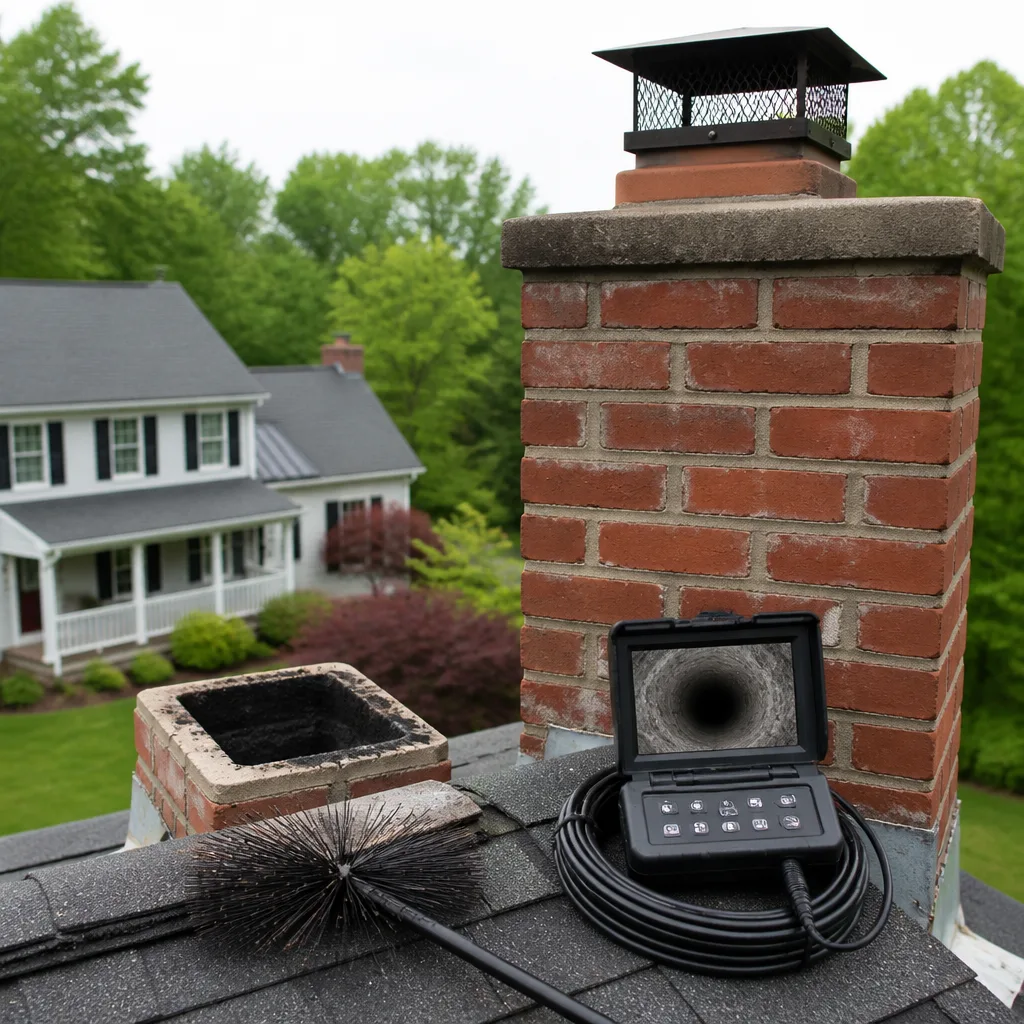 Sweep & inspection
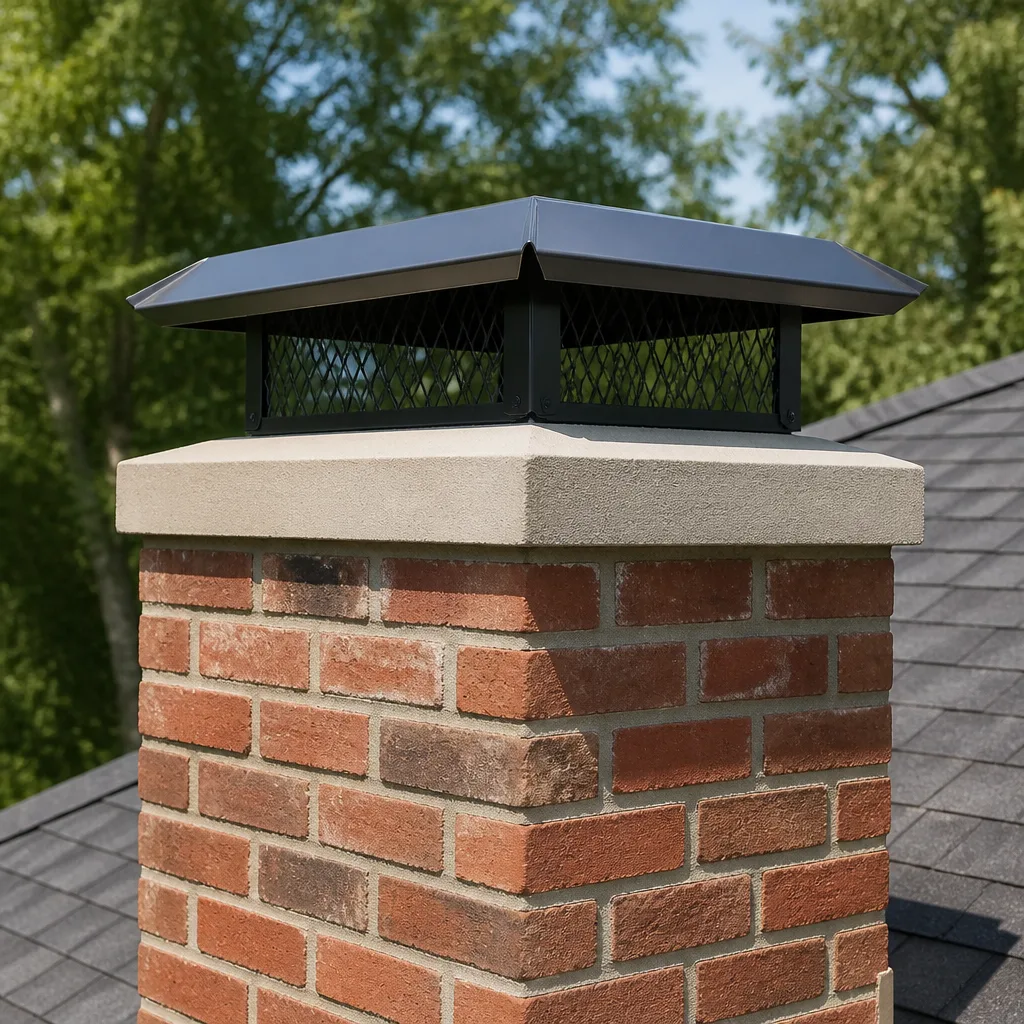 Caps & crowns
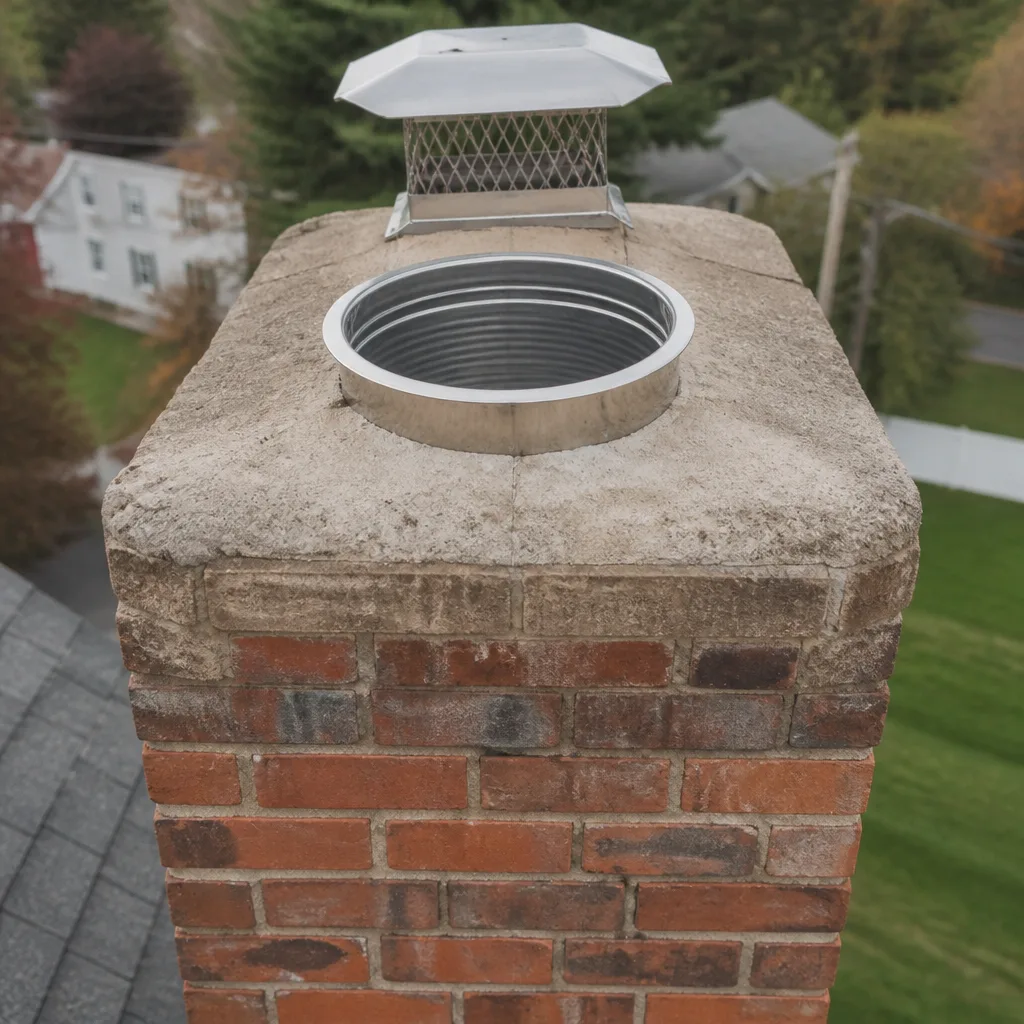 Flue relining
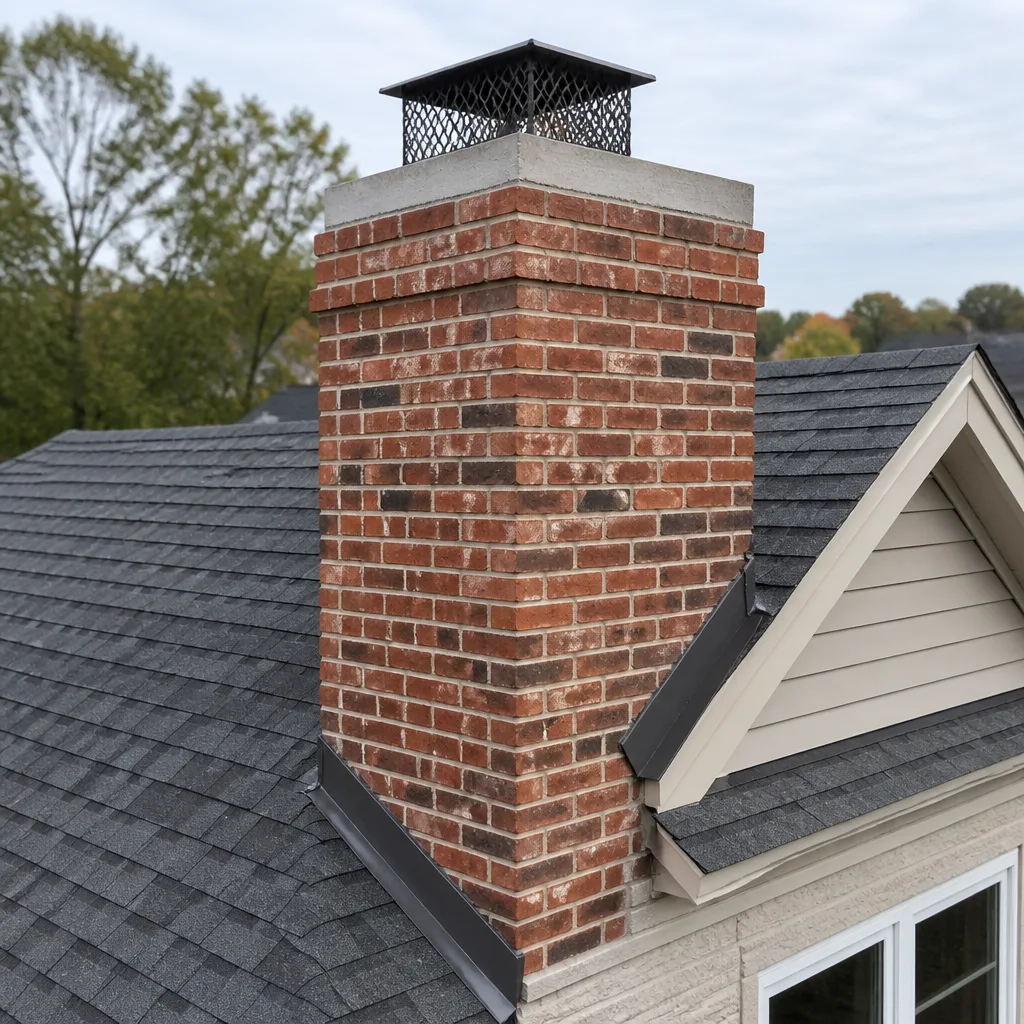 Masonry repair
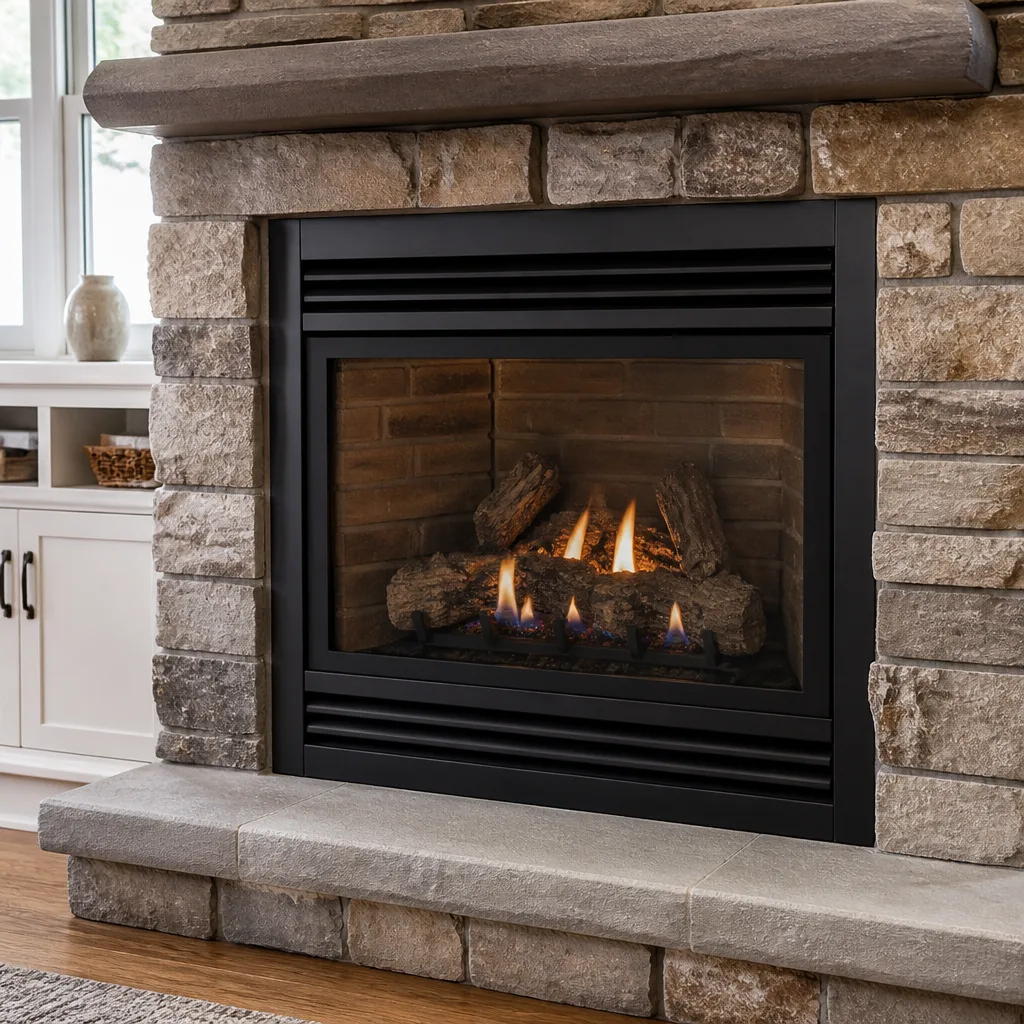 Gas fireplace service
Level 1 sweep and inspection to the NFPA 211 annual standard - flue, crown, cap, and flashing checked and photographed
Chimney sweep logs do not sweep chimneys. They loosen some creosote - which then falls where a brush and vacuum still have to collect it.
How to Hire a Chimney Cleaning Contractor in Brentwood: A Step-by-Step Guide
In California, anyone with a brush kit and a van can legally call themselves a chimney sweep. There’s no state license required for the trade itself, which means the title on the side of the truck tells you almost nothing about who shows up at your door. That surprises most Brentwood homeowners, who reasonably assume the person on their roof has been vetted by somebody. Usually, no one has. The difference between a credentialed chimney specialist and a pressure-washing company that added “chimney sweep” to its service list comes down to what you ask before you book, not what the website claims. This guide walks you through the exact questions, credentials, and estimate details that separate the two.
Quick Answer
To hire a chimney cleaning contractor in Brentwood, verify three things before booking: CSIA certification for the sweep, a C-61 or D-49 contractor license if any repair work is on the table, and proof of general liability insurance plus workers’ compensation. Then ask five questions about scope, subcontracting, and reporting. A specialist answers all of them without hesitation. A company adding chimney work to a longer menu usually can’t.
Styles & brands we work with
- Sweep & inspection
- Caps & crowns
- Flue relining
- Masonry repair
- Gas fireplace service
Table of Contents
- Why California Doesn’t License Chimney Sweeps
- Which Credentials Actually Matter
- The Five Questions to Ask Before You Book
- How to Read a Chimney Service Estimate
- Why a Low First-Visit Price Deserves a Second Look
- What a Legitimate Post-Service Report Includes
- Chimney Work in Brentwood: What’s Different Here
- Common Mistakes to Avoid
- When to Call a Professional
Why California Doesn’t License Chimney Sweeps
California regulates contractors, not chimney sweeps as a standalone trade. The Contractors State License Board issues licenses for construction work, and chimney cleaning on its own falls outside the categories that require one. That gap is the single biggest reason hiring here takes more homework than hiring an electrician or a plumber.
What this means in practice: a company that only sweeps chimneys doesn’t need a state license to do it. A company that repairs a cracked crown, rebuilds a firebox, or installs a new flue liner does. Those are construction tasks, and construction work over the CSLB’s threshold generally requires a licensed contractor. The C-61 limited specialty classification and the D-49 tree service classification are the ones you’ll sometimes see chimney companies carry, and either signals the company has gone through state licensing for the repair side of its work.
So you’re vetting two capabilities, not one. Cleaning is a skill question. Repair is a licensing question. A company that does both should be able to show you credentials for both, and a company that only cleans should be upfront that it doesn’t handle repairs rather than quietly subcontracting them.
In our experience, the homeowners who get burned aren’t the ones who skipped vetting entirely. They’re the ones who asked one question (“are you licensed?”), got a confident yes, and assumed the answer covered everything. It usually covers one half of the job.
Which Credentials Actually Matter
Three credentials carry real weight when you’re hiring a chimney professional in Brentwood. Everything else is marketing.
- CSIA certification. The Chimney Safety Institute of America certifies individual sweeps, not companies. It requires passing an exam and continuing education, and it’s the closest thing the trade has to a recognized standard. Ask whether the technician who will actually be at your house is certified, not whether the company “has certified technicians” somewhere.
- A C-61 or D-49 contractor license for repair work. If the estimate includes any structural repair, crown work, or liner installation, the company doing that work should hold a state contractor license. Verify it on the CSLB website rather than taking a license number at face value. It takes two minutes and it’s public record.
- General liability insurance and workers’ compensation. Liability covers damage to your home if something goes wrong. Workers’ comp covers the technician if they’re injured on your property. A company operating without workers’ comp is a company where an injury on your roof could become your problem. Ask for a certificate of insurance and read the dates on it.
One more thing worth knowing: CSIA certification is held by individuals, and technicians move between companies. A company can advertise certification and still send an uncertified technician to your door. Asking “who will be at my house, and are they certified?” is a fair question and a specialist will answer it directly.
Brand relationships are a softer signal but a real one. A company that installs professional-grade liner and crown products from manufacturers like DuraFlex or Copperfield has usually been through supplier vetting and product training. It’s not proof of quality on its own, but it tells you the company works with materials made for the trade rather than whatever’s cheapest at a general supplier.
The Five Questions to Ask Before You Book
These five questions do most of the work. They’re designed to reveal whether you’re talking to a full-service chimney specialist or a generalist who farms out the complicated parts.
- “Do you do repairs in-house, or do you subcontract them?” A company that subcontracted your crown repair to a mason it doesn’t employ has less stake in getting the diagnosis right. Full-service means the same company inspects, cleans, and repairs.
- “What’s included in the cleaning price?” A real chimney sweep includes a visual inspection of the firebox, damper, flue, and accessible exterior components. If the answer is just “we brush the flue,” that’s a partial service at a full price.
- “Will I get photos or video of what you find?” Camera inspection with a photo report should be standard. A company that can’t show you the inside of your own flue is asking you to take its word for a repair recommendation.
- “Can you handle a liner issue, or would you refer that out?” Liner work is where the real money and the real risk sit. A specialist can explain the difference between resurfacing a deteriorating liner and replacing it, and won’t default to the more expensive option without showing you why.
- “What does your written report include?” The answer should be specific: findings, photos, condition ratings, and recommendations separated into “needed now” and “watch this.” If the answer is vague, the report probably will be too.
Ask these on the phone before you book. How a company answers tells you as much as the answers themselves. A specialist responds in specifics. A generalist hedges, or offers to “have someone take a look.”
How to Read a Chimney Service Estimate
A chimney estimate should read like a short, itemized document, not a single number scrawled on a business card. Here’s what belongs on one, and what should make you pause.
Line items that should always appear:
- The sweep itself, priced separately from any inspection upgrade
- Inspection scope, including whether a camera is used
- Any repair recommended, with the specific component named (crown, cap, damper, liner, firebox)
- Materials listed by type, with brand names where relevant
- Whether the estimate is a flat price for the job or an hourly rate with a ceiling
Charges that signal a bait-and-switch:
- A very low cleaning price paired with an inspection that’s priced high enough to carry the visit
- “Diagnostic fee” language that converts into a credit only if you approve the repair
- Repair recommendations that appear for the first time after the work has started
- Line items labeled “miscellaneous” or “shop supplies” without a specific explanation
- A single lump-sum number that doesn’t break out labor and materials
When the conversation turns to a chimney cap & crown repair or replacement, ask why it’s needed and what happens if you wait a season. A crown that’s cracked but stable can often wait. A crown that’s letting water into the flue structure can’t. A specialist will tell you which one you have. A salesperson will tell you to fix it now either way.
The written estimate should set the final price. If a company quotes one number verbally and hands you a different one at the end, that’s the whole review right there.
Why a Low First-Visit Price Deserves a Second Look
A $79 sweep in Brentwood is not automatically a scam, but it’s a business model you should understand before you book. The cleaning price is the entry point. The revenue is in the repair recommendations made afterward, often on the roof, often with photos taken by the person recommending the work.
That setup isn’t dishonest on its face. Plenty of companies operate this way and do solid work. The problem is that it puts you in a position where you can’t independently verify what you’re being shown. A photo of a cracked flue tile is only meaningful if you can see the tile yourself, or see it in a video you were given, or understand enough about your own chimney to judge the claim.
What separates a legitimate low-price visit from a bait-and-switch comes down to verification. Ask for these before you approve any repair:
- A camera inspection you can watch or a photo report you can review at your own pace
- A clear explanation of the specific failure and what happens if it’s left alone for a season
- The option to get a second opinion without pressure
- An honest answer to “can this wait?” if the answer is yes
In our experience, the repairs that genuinely can’t wait are the ones involving an active hazard: a blocked flue, a failed liner on a wood-burning appliance, or a crown that’s actively channeling water into the structure. Everything else can be scheduled. A company that tells you everything is urgent is telling you something about itself.
This is also where liner work gets interesting. A deteriorating flue liner doesn’t always require a full reline. HeatShield resurfacing can restore a liner that’s still structurally sound but has lost its interior surface, and it costs less than replacement. A company that only offers full relines isn’t necessarily lying. It may just not have the certification and product training to do resurfacing. That’s a capability gap you should know about before you approve a larger job.
What a Legitimate Post-Service Report Includes
A verbal summary on your way out the door is not a report. It’s a conversation you’ll half-remember by the time the next burning season arrives. Here’s what a real report looks like.
- A written record of the inspection. Condition of the firebox, damper, smoke chamber, flue, cap, and crown, each rated or described.
- Photos or video. Interior and exterior, with the problem areas called out. You should be able to look at the same thing the technician looked at.
- Findings separated from recommendations. What was observed, then what (if anything) should be done about it. These are different things and should be in different sections.
- A priority rating. “Needed now,” “monitor,” and “no action” are the three tiers. Anything that’s genuinely urgent should be clearly labeled and explained.
- Your copy. A report you don’t receive isn’t a report. Keep it with your home records; it matters for insurance and for real-estate transactions.
Inspection reports also have a life beyond your own record-keeping. A standalone inspection report supports a home sale, an insurance requirement, or an annual safety check, and any of those can hinge on whether the report is documented and specific. A verbal “looks good” doesn’t survive a closing.
If you’re in the middle of a real-estate transaction in Brentwood, ask for the inspection report in writing and confirm what it covers before the appointment. The scope difference between a routine cleaning and a documented inspection is real.
Chimney Work in Brentwood: What’s Different Here
Brentwood winters are mild, which shapes what chimney problems actually look like here. You’re not dealing with the freeze-thaw damage that dominates in colder parts of the country. What you do get is a long dry season, occasional winter rain, and a fireplace that often sits unused for months at a stretch. That pattern produces a specific set of issues.
Long idle periods let debris accumulate in flues: bird nests, leaves, and the kind of soot that hardens over a summer. When the first cool evening arrives, that debris meets a fire. It’s why the best time to schedule a sweep in Brentwood is before burning season starts, not when you’re already lighting fires. A fall appointment beats an emergency call.
Rain is the other factor. A missing or damaged cap and a cracked crown let water into the flue and the chimney structure, and water damage is the leading cause of long-term chimney deterioration on the exterior. In a climate where the wet season is concentrated, a crown that’s failing has a few months to do damage rather than a full year. That makes the cap and crown worth a look every year, not just when you notice a stain on the ceiling.
Brentwood’s housing stock includes a mix of older homes with original masonry chimneys and newer construction with prefabricated or factory-built fireplace systems. Those two need different things. Older masonry chimneys need the flue and crown checked for cracks and spalling. Factory-built systems have their own liner requirements and shouldn’t be serviced like masonry. A company that only does one or the other will push you toward the service it offers.
You also get gas fireplaces and inserts mixed in with wood-burning ones across Brentwood, and those have different maintenance rhythms. Gas appliances don’t produce creosote, but they still need a check for venting issues and debris blocking the flue. Not every cleaning visit is about soot.
Common Mistakes to Avoid
- Hiring the company that shows up first. Speed of response isn’t a credential. A company that answers the phone in thirty seconds and asks no questions about your chimney isn’t vetting the job, it’s booking it.
- Skipping the license check because the cleaning is “just cleaning.” If the visit turns into a repair, you want a licensed contractor doing that work. Check before, not after the estimate.
- Letting a company talk you into a full reline without a second look. Ask specifically whether resurfacing is an option for your flue. If the answer is “we don’t do that,” you’ve learned something about the scope of the company.
- Accepting a verbal report. In Brentwood, a written report with photos is what you keep for insurance, resale, and your own peace of mind. Verbal-only findings aren’t a report.
- Assuming the person on the roof is the person who was certified. Ask who’s coming and whether they’re CSIA-certified. Check the name against the certification if you want to be thorough.
- Ignoring the cap and crown because the fireplace worked fine last winter. Water damage happens whether or not you lit a fire. A cracked crown doesn’t announce itself until the ceiling stain shows up.
- Booking a sweep in the middle of burning season. Brentwood’s demand peaks when the first cool evenings hit. Booking before that window means the appointment you want, not the one that’s left.
When to Call a Professional
Call a chimney professional in these situations: you’ve burned a full cord or more of wood since the last cleaning, you’ve never had the chimney inspected, you notice a strong smell from the fireplace even when it’s not burning, smoke backs into the room, or the damper doesn’t open and close cleanly. Any visible crack in the crown, a cap that’s loose or missing, or a stain on the ceiling near the chimney means a call before the next fire. A fireplace repair that’s been put off all summer is easier to schedule in September than in December. Brentwood Chimney Sweep offers free estimates in Brentwood. Call (866) 937-7635. We answer 24/7. Fast dispatch from 7am to 7pm, Sunday through Friday. Closed Saturday.
Frequently Asked Questions
A typical chimney sweep in Brentwood runs in the low-to-mid hundreds of dollars, and a full inspection with a camera report costs more than a basic cleaning. The written estimate you receive before booking sets the final price, and it should break out cleaning and inspection separately. Call (866) 937-7635 for a free estimate specific to your chimney.
Not always, and that’s the most important thing to know before you approve one. A failed liner on a wood-burning appliance needs attention for safety reasons, but a liner that’s lost its interior surface without structural failure can sometimes be resurfaced instead of replaced. Ask specifically whether resurfacing is an option for your flue, and ask to see the camera evidence before you decide. Call (866) 937-7635 for an evaluation.
Once a year is the standard for a home with a wood-burning fireplace that sees regular use, and it’s the practical minimum for catching a cracked crown or failing cap before it becomes a structural problem. Homes that burn heavily or use the fireplace as a primary heat source may need more frequent cleaning. A gas fireplace needs less frequent sweeping but still benefits from an annual check of the venting and flue. Call (866) 937-7635 to schedule before burning season.
Creosote accumulates in the flue, and in its hardened form it’s the fuel that chimney fires burn. A blocked or partially blocked flue also sends carbon monoxide back into the home instead of up and out. Beyond fire and CO risk, small crown and cap problems turn into structural water damage when they’re left alone. The reason to sweep isn’t the sweep itself; it’s catching the issue behind the sweep. Call (866) 937-7635 for a free estimate.
Yes, in the ways that matter to you. CSIA certification requires passing an exam and continuing education, and it’s the recognized standard in the trade. It doesn’t guarantee every visit is perfect, but it tells you the person on your roof has been tested on the work. Ask whether the specific technician assigned to your home is certified. Call (866) 937-7635 and we’ll confirm who’s coming and what their credentials are.
Yes, if the work involves structural repair, a crown rebuild, or a new flue liner. Chimney cleaning on its own doesn’t require a state contractor license in California, but construction work does, and that usually means a C-61 or D-49 classification. Verify the license on the CSLB website rather than taking the number at face value. A company that handles cleaning and repair in-house can show you both sets of credentials. Call (866) 937-7635 for a free estimate on any repair work.
The Bottom Line
Vetting a chimney contractor in Brentwood comes down to three checks and five questions. Verify CSIA certification for the technician, a contractor license for any repair work, and proof of insurance. Ask about in-house repair, what the cleaning includes, how you’ll see the evidence, whether liner resurfacing is on the table, and what the written report contains. A specialist answers all of it without hesitation, and a generalist hedges. A company that can show you the inside of your own flue, explain what belongs on an estimate, and tell you honestly when a repair can wait has earned the call. That’s a higher bar than most homeowners are used to setting. Set it anyway.
Brentwood Chimney Sweep works with professional-grade products from DuraFlex, HeatShield, Gelco, Olympia Chimney, Famco, and Copperfield, and offers Brentwood Chimney Sweep services covering inspection, cleaning, cap and crown, fireplace repair, and chimney repair. Our technicians have up to 12 years of experience. If you’d like a straight answer about your own chimney, call (866) 937-7635 for a free estimate. We answer 24/7. Fast dispatch from 7am to 7pm, Sunday through Friday. Closed Saturday.
Written by the team at Brentwood Chimney Sweep.
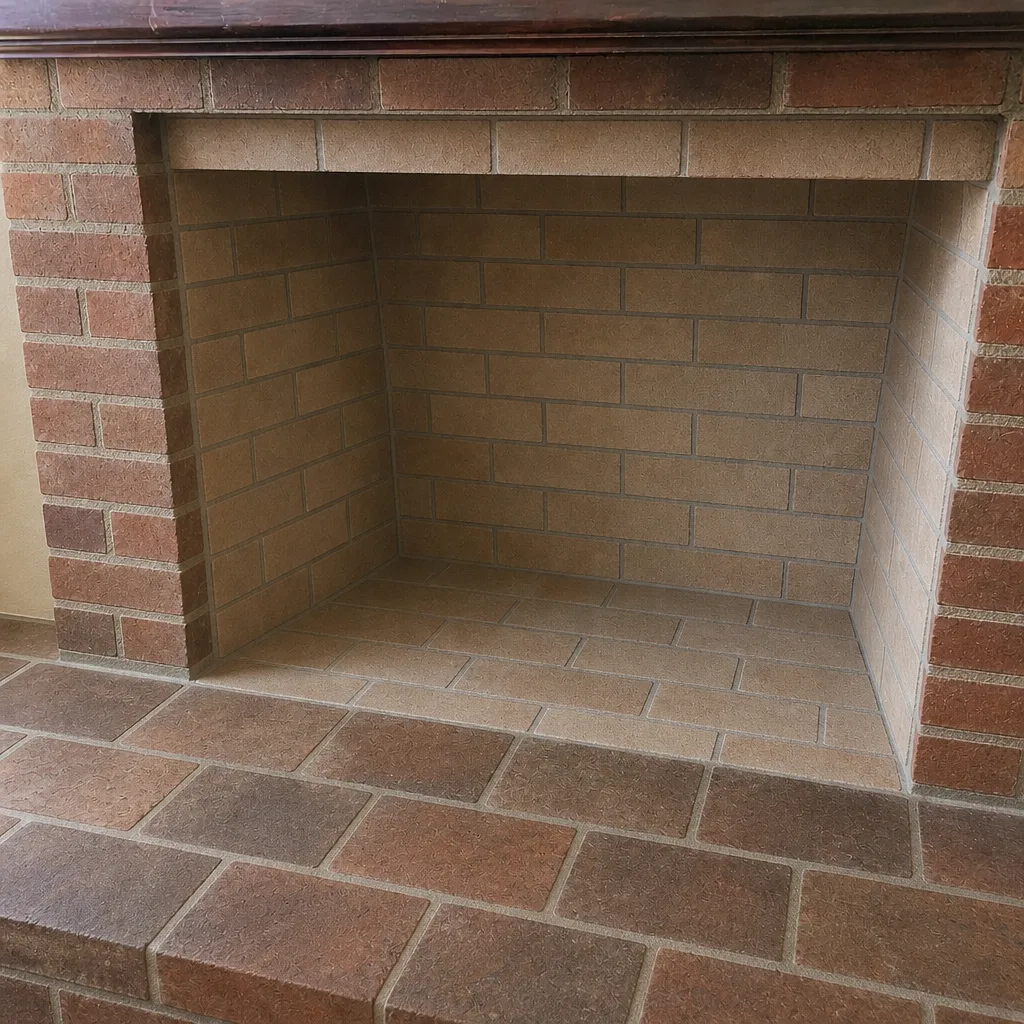
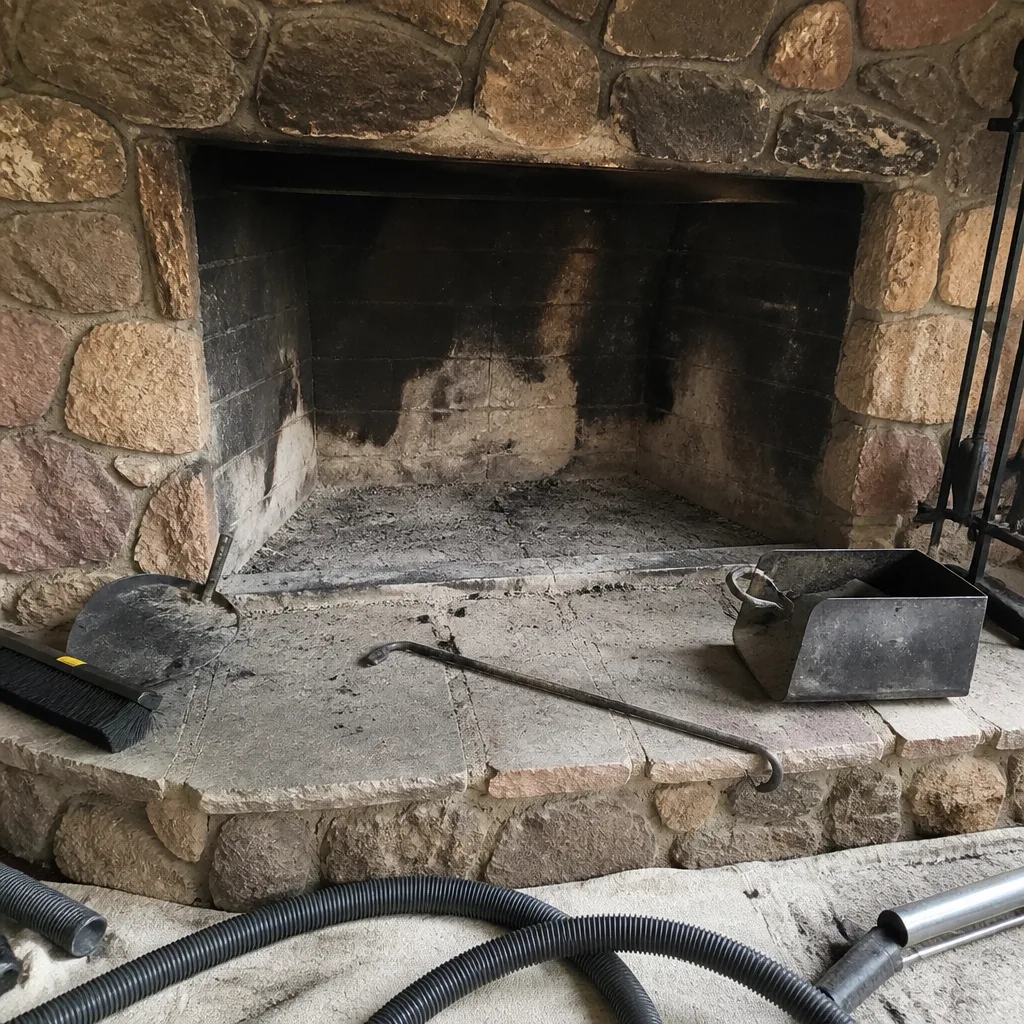
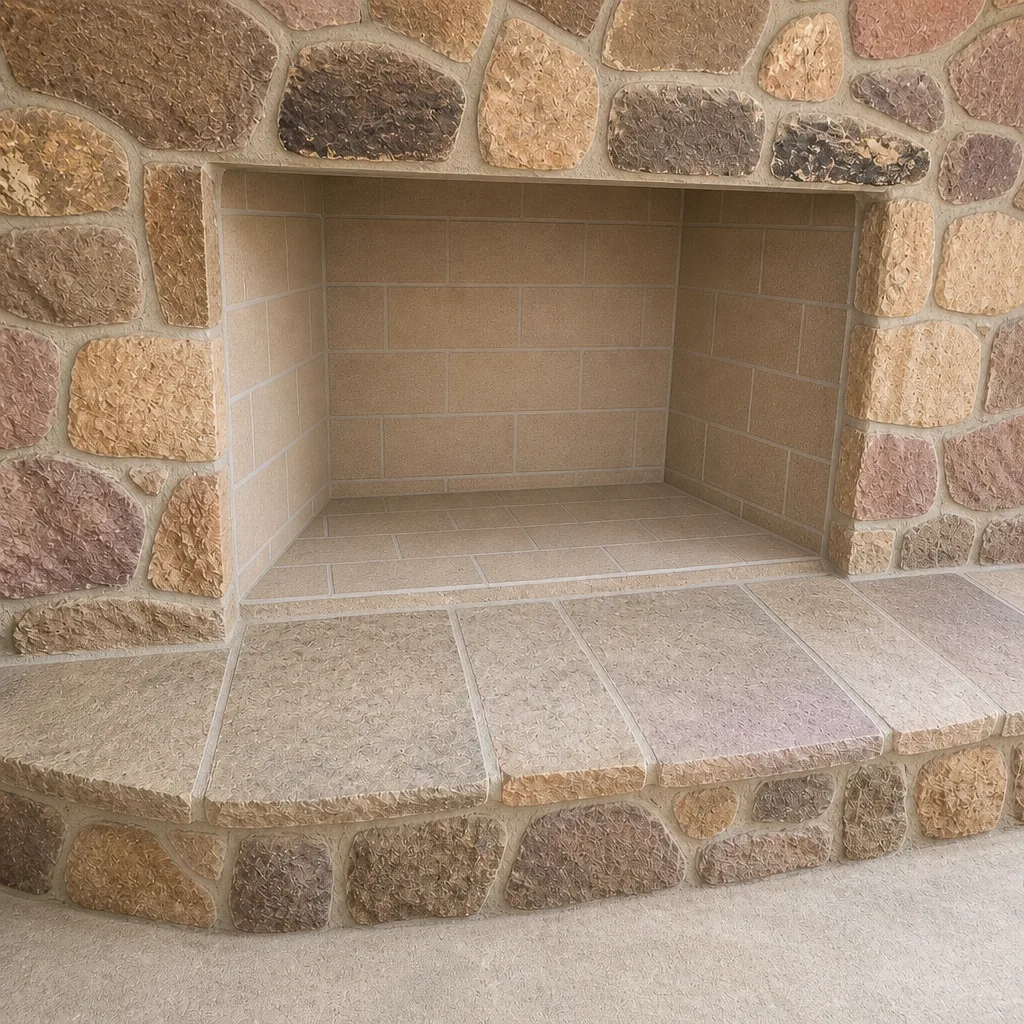
See the difference
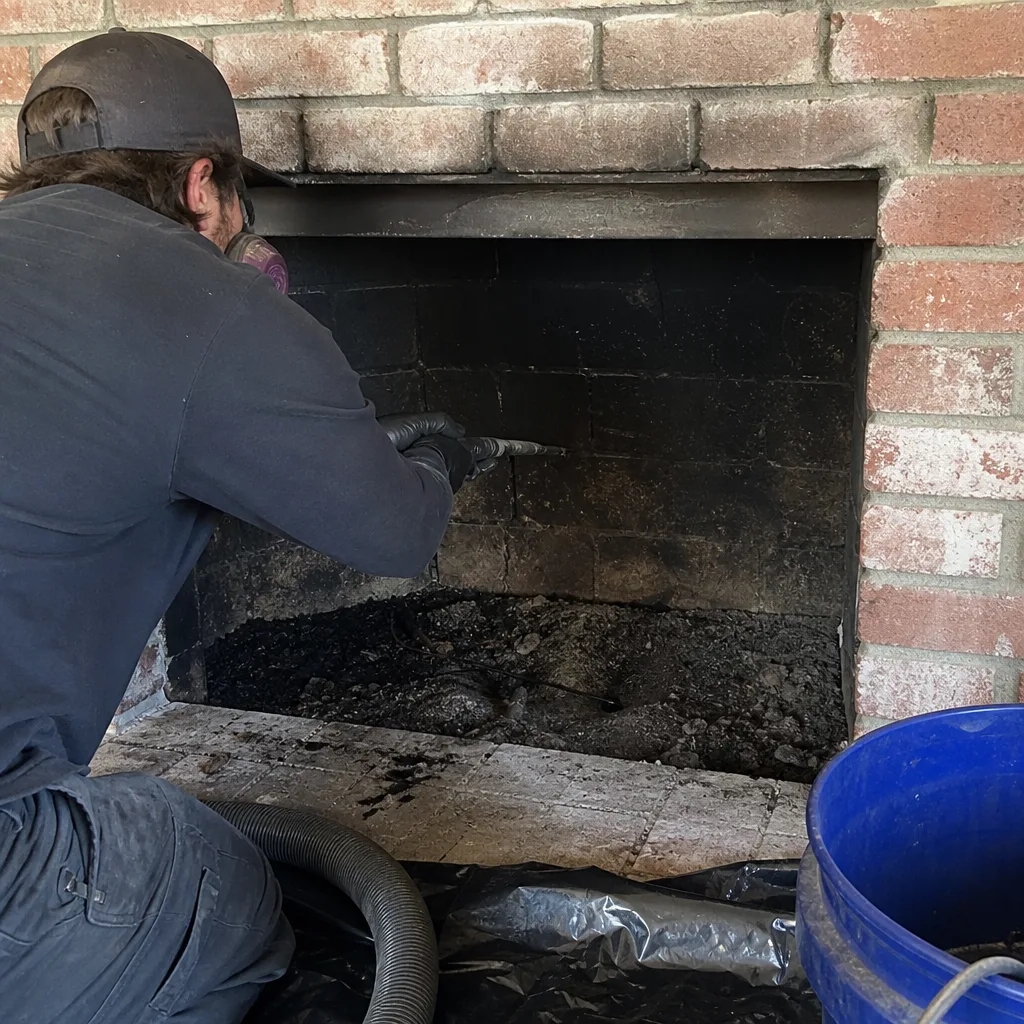 Before
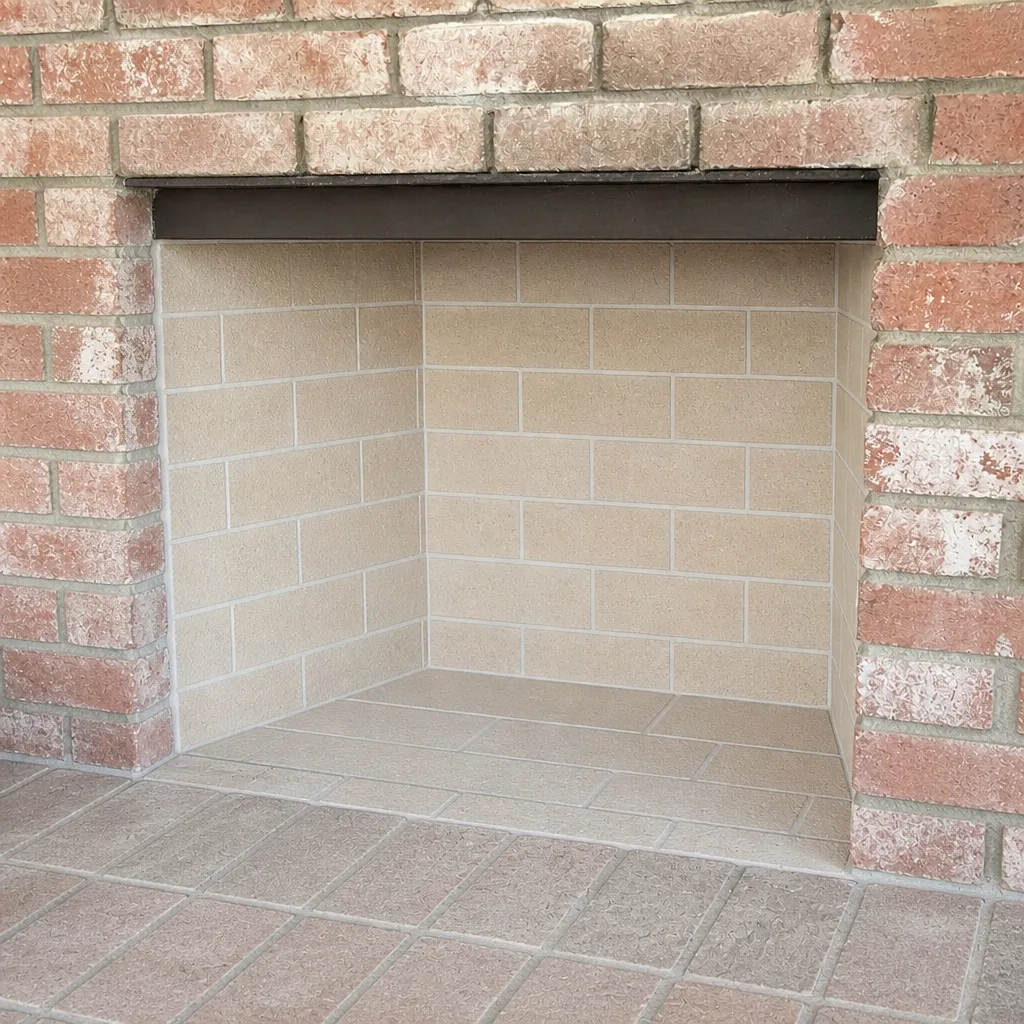 After
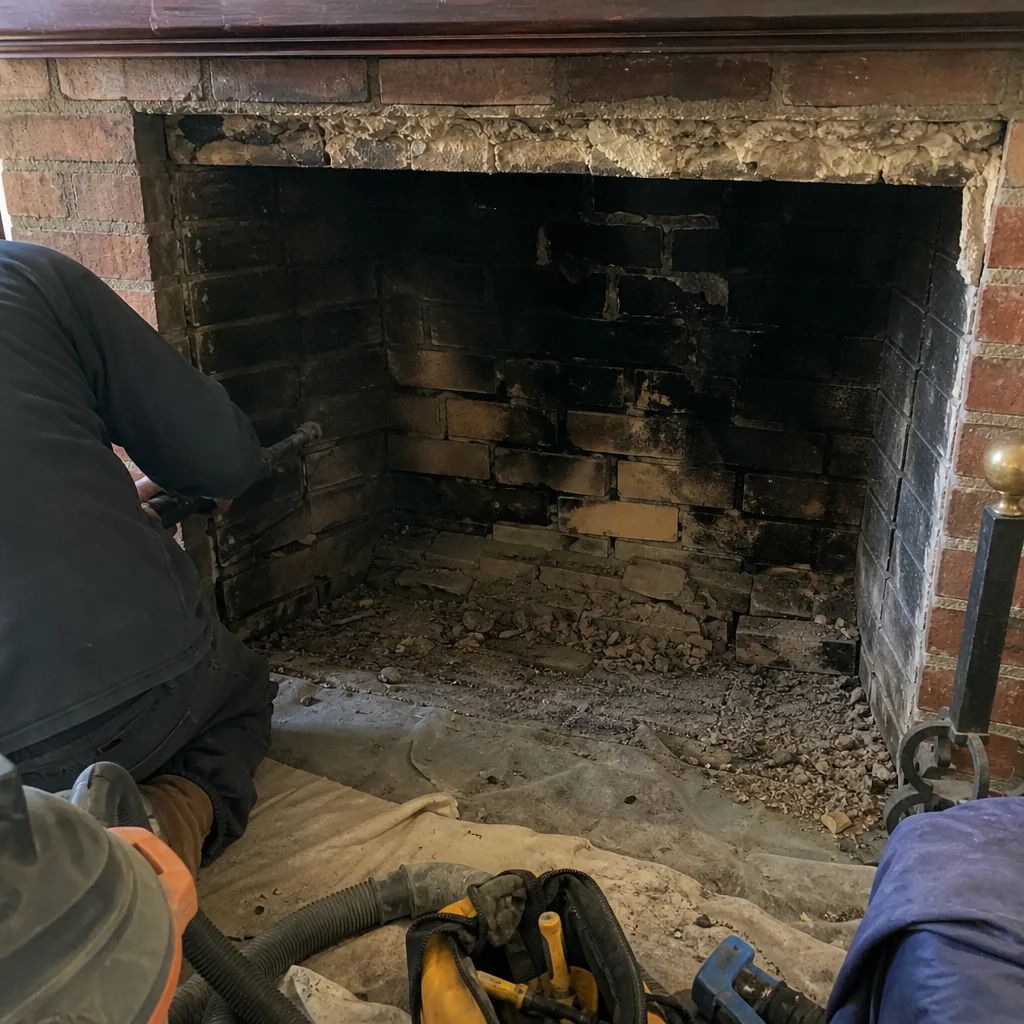 Before
 After
 Before
 After