
Last updated November 22, 2026
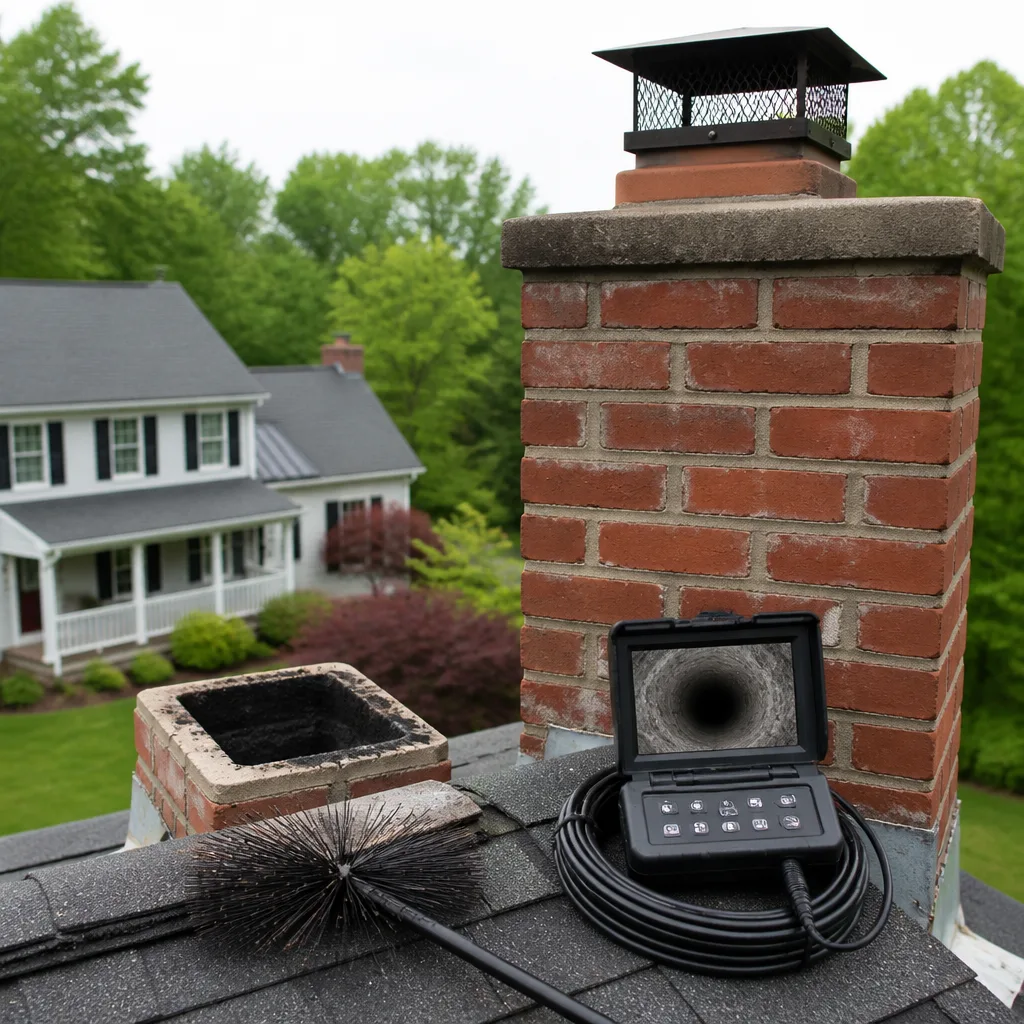 Sweep & inspection
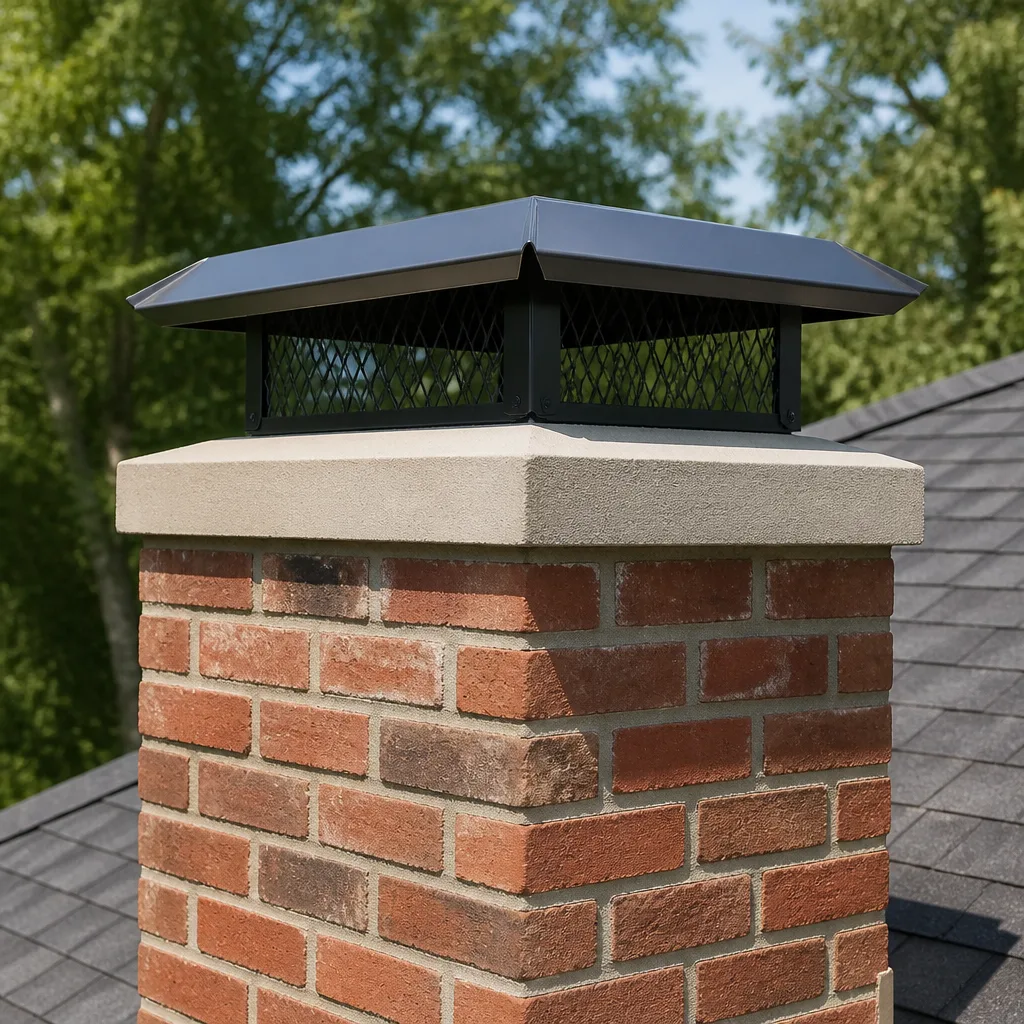 Caps & crowns
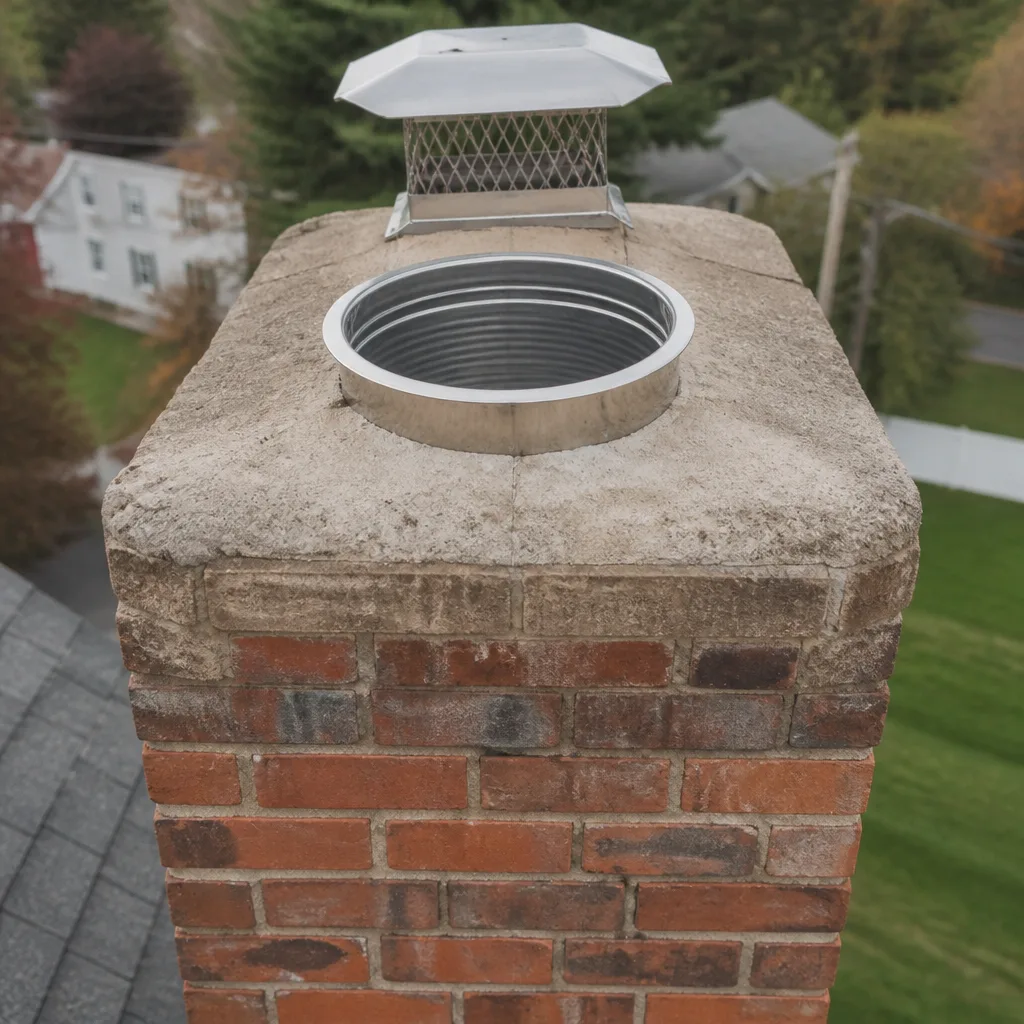 Flue relining
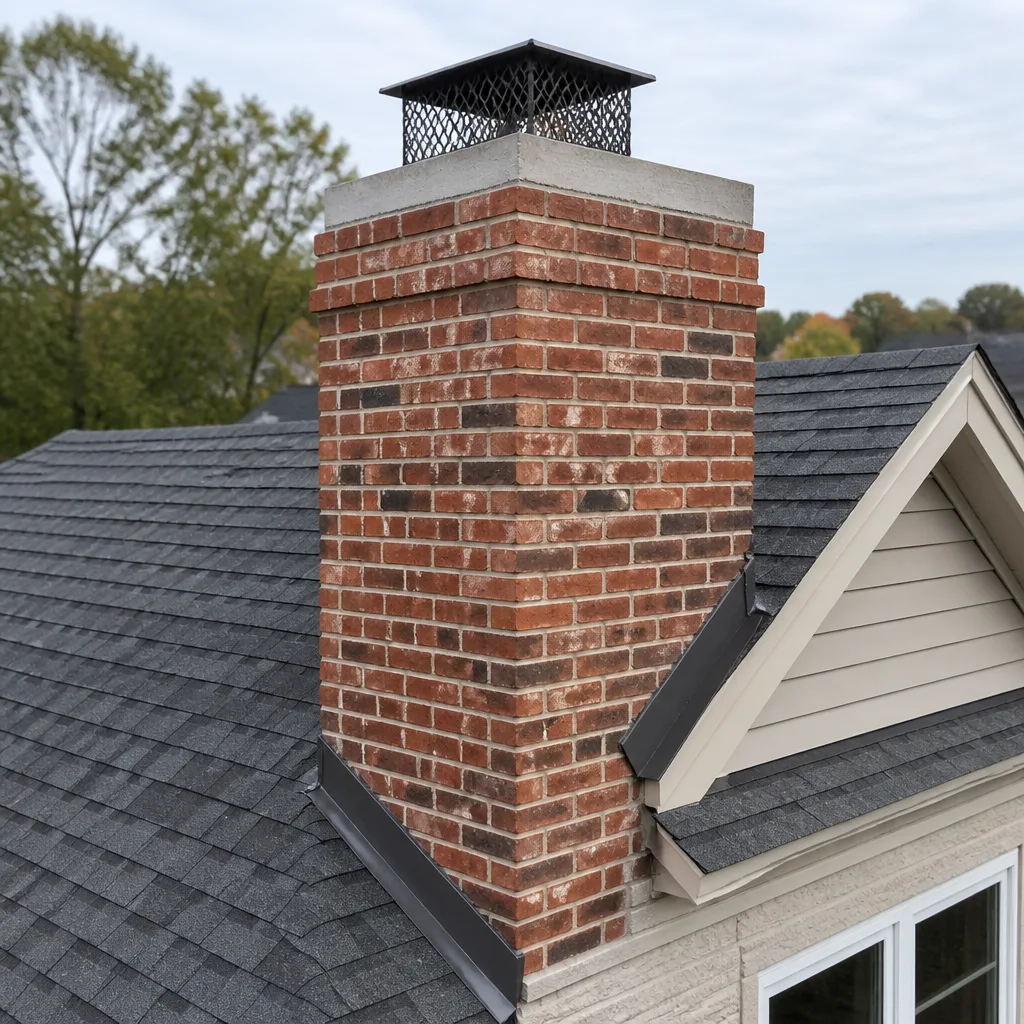 Masonry repair
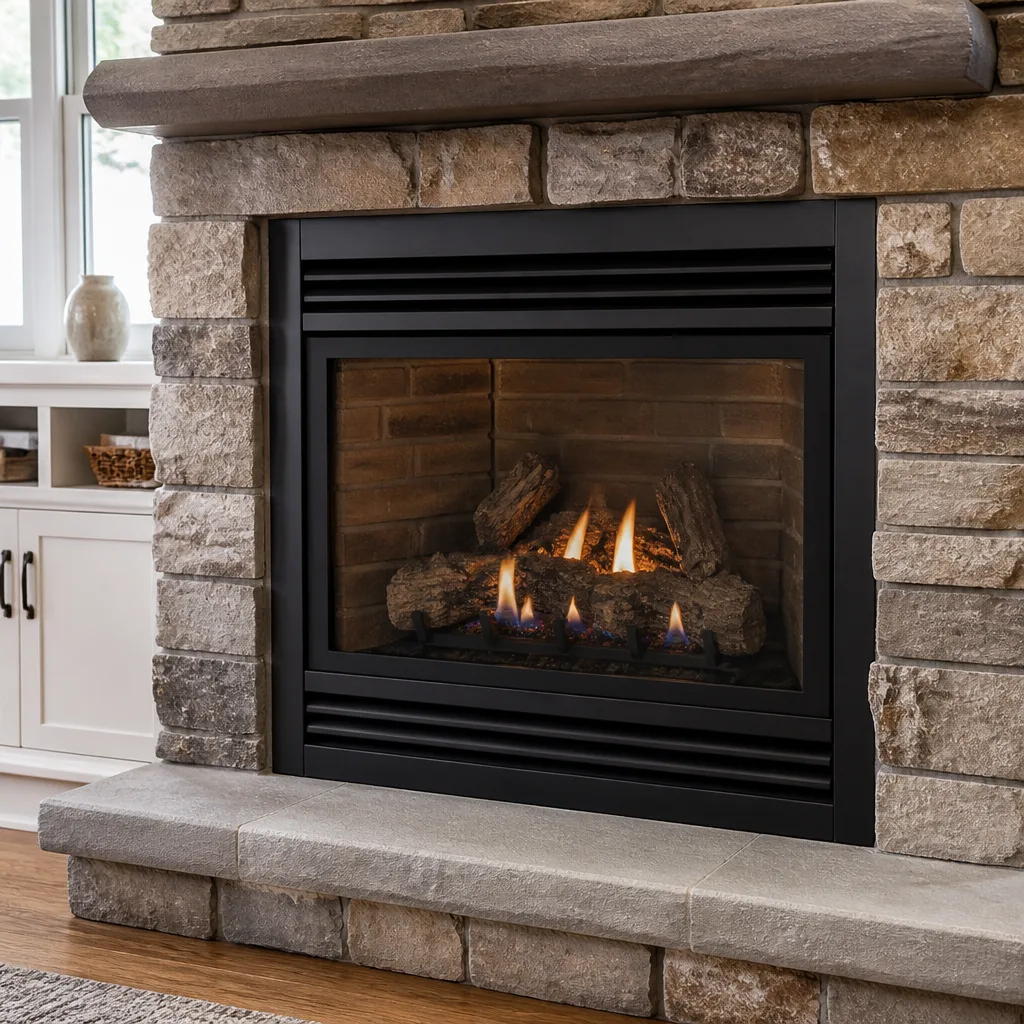 Gas fireplace service
Level 1 sweep and inspection to the NFPA 211 annual standard - flue, crown, cap, and flashing checked and photographed
Chimney sweep logs do not sweep chimneys. They loosen some creosote - which then falls where a brush and vacuum still have to collect it.
Chimney Cleaning Permits, Codes & Inspections in Brentwood, CA: What You Need to Know
Most chimney work happens without a permit, and most homeowners assume all of it does. That’s the misconception worth clearing up first: routine cleaning is maintenance and needs no paperwork, but the moment a liner, crown, or firebox is replaced or rebuilt, California building code and the local permitting authority step in. The trouble is nobody tells you that until a buyer’s inspector or an insurance adjuster finds unpermitted work years later. In this guide we draw the line between maintenance and permitted work, explain what NFPA 211 actually requires of an inspection, and walk through how to verify a contractor pulled the right permits in Brentwood before any work begins.
Quick Answer
Routine chimney cleaning in Brentwood doesn’t require a permit. Any repair or replacement involving the flue liner, firebox, damper, crown, or the installation of a gas insert or wood stove does require a permit from the Contra Costa County building department, and the finished work must be inspected to California Residential Code standards. An inspection itself (the professional evaluation) is a separate thing from a municipal permit inspection, and a proper Level 2 evaluation includes a video scan and a written report you keep.
Styles & brands we work with
- Sweep & inspection
- Caps & crowns
- Flue relining
- Masonry repair
- Gas fireplace service
Table of Contents
- Maintenance vs. Repair: Where the Permit Line Sits
- Work That Always Requires a Permit in Brentwood
- How NFPA 211 Applies to Chimney Inspections
- What a Level 2 Inspection Legally Requires
- If Previous Owners Did Unpermitted Chimney Work
- How to Verify Your Contractor Pulled the Right Permits
- How Brentwood’s Climate Affects Chimney Wear
- Questions to Ask Before Hiring in Brentwood
Maintenance vs. Repair: Where the Permit Line Sits
Cleaning a chimney is upkeep. Rebuilding part of it is construction. That’s the simplest way to think about the permit question, and it holds up under California’s rules. A sweep that removes creosote and soot from the flue changes nothing structural, so no permit is involved. A repair that alters a listed component, changes how the chimney vents, or replaces a part of the venting system is construction work that the local building department wants to see documented and inspected.
The confusion comes because plenty of small jobs sit close to the line. Sealing a hairline crack in the crown, repointing a loose brick at the top, or replacing a missing chimney cap are routine repairs that typically don’t trigger a permit. Rebuilding the crown entirely, replacing the flue liner, or installing a new damper assembly usually does. When in doubt, the honest answer is to call the Contra Costa County building department and describe the job in plain terms. They’ll tell you whether a permit is needed, and a specialist shouldn’t hesitate to make that call.
Here’s how the split tends to look:
- No permit typically required: annual chimney sweep, creosote removal, cap replacement, minor crown sealing, level-checking and general inspection.
- Permit typically required: flue liner replacement, firebox rebuild, damper replacement, gas insert or wood stove installation, chimney structural repair that involves masonry reconstruction, and any change to the venting path.
We only do chimneys, and we do them completely, which means we’ve seen plenty of Brentwood homes where someone cut a corner on the paperwork side. The work can look fine from the roof and still be unpermitted. The code issue only surfaces when a home is sold, refinanced, or a claim is filed. Catching it before that point is the whole reason this line in the sand matters. When the job involves the vulnerable parts of the chimney, such as the firebox or the flue, the local pro who performs the work is licensed and insured as their state requires, and the permitted inspection is part of what you’re paying for.
Work That Always Requires a Permit in Brentwood
Some chimney and fireplace jobs are maintenance, and some are construction requiring a permit and an inspection before the work is signed off. The clearest way to know which is which is to look at what the job changes. If it alters a listed appliance or the venting system, permits almost always apply. In Brentwood, permits for this kind of work go through Contra Costa County’s building department, and the process is straightforward when you know what to expect.
The jobs below almost always need a permit:
- Flue liner replacement. Replacing a clay tile liner or installing a stainless liner changes the venting system and requires a permit and inspection.
- Firebox rebuilds. Rebuilding the firebox or replacing firebrick re-establishes a fire-rated assembly. That’s construction, not cleaning.
- Damper replacement. A new damper assembly is a listed component and typically needs a permit.
- Gas insert installation. Adding a gas insert changes how the fireplace operates and vents. Expect a permit and an inspection.
- Wood stove installation. Any new wood-burning appliance, and its venting, needs a permit.
- Structural chimney repair. Rebuilding masonry, replacing a damaged crown that has failed structurally, or repairing the chimney chase is permitted work.
For the last one in particular, a professional chimney cap & crown repair is often the job that homeowners postpone longest, and it’s also the one that protects the flue from water intrusion. Water is the leading cause of chimney damage in this part of California, and a crown that has cracked and failed lets moisture straight into the masonry. When we replace a crown, we install one using professional-grade materials from brands chimney specialists actually use, and the job is documented the way the county expects.
One thing worth saying plainly: a specialist shouldn’t resist the permit question. If a contractor tells you a liner replacement is “just a quick fix” and there’s no permit involved, that’s a reason to slow down. The permit exists because the work touches the parts of your home that handle fire and exhaust. Documentation protects you when you sell and when you file an insurance claim.
How NFPA 211 Applies to Chimney Inspections
NFPA 211 is the national standard for chimneys, fireplaces, vents, and solid-fuel-burning appliances, and it’s the reference point for what a proper inspection should look like. It defines three levels of inspection, each suited to a different situation, and it ties those inspection levels to the condition of the chimney and the events that have affected it. California’s building code and county review lean on that framework.
The three levels are:
- Level 1: A routine annual inspection for a chimney that’s in regular use and hasn’t changed. It covers readily accessible parts of the appliance and venting, with no video scan required. This is what most homeowners need every year.
- Level 2: Required when a property changes hands, when an appliance is added or replaced, after an event like a chimney fire or earthquake, or when conditions suggest a hidden problem. It includes a video scan of the flue and a written report.
- Level 3: Required when a hazard is suspected in an area that isn’t accessible without opening up construction (removing part of a wall or chase). It’s rare and usually follows a Level 2 finding.
The most common misunderstanding we run into is a homeowner who’s sold a house with a “cleaned chimney” receipt and no inspection report. A cleaning receipt is not an inspection. NFPA 211 treats them as different services, and the sale of a home is exactly the situation that calls for a Level 2. If you’re buying or selling in Brentwood, ask for the report and the video, not a one-line invoice.
The standard also drives how we look at liner condition. A flue that’s cracked, spalling, or coated in heavy creosote doesn’t vent safely, and no amount of sweeping fixes a failing liner. This is where a fireplace repair plan and a relining decision have to be made with evidence, not guesswork. Our technicians have up to 12 years of experience reading that evidence, and we don’t recommend liner work without a video scan you can see for yourself.
What a Level 2 Inspection Legally Requires
A Level 2 inspection is the one most homeowners need but few actually receive, and the gap matters most during a real-estate transaction or after a chimney fire. Under the NFPA 211 framework, a Level 2 is not just “a look up the flue.” It has two required pieces: a video scan of the interior of the chimney and flue, and a written report of what was found. Both are the deliverable you should ask for and keep.
What a proper Level 2 covers:
- A visual inspection of accessible components – firebox, damper, smoke chamber, flue, crown, cap, and the exterior of the chimney.
- A video scan of the flue using a camera that reaches the full length of the venting, including the offset and the top.
- A written report documenting the condition of the chimney, what was found, and any recommended repairs, with the relevant code or standard referenced.
- Photos and video the homeowner can keep and share with a buyer, lender, or insurer.
That report is the whole point. When you sell a home in Brentwood, the buyer’s inspector may ask for proof the chimney has been evaluated. A written Level 2 report answers that question directly and saves back-and-forth during escrow. When you file an insurance claim after a chimney fire, the report shows the chimney was in the condition documented, not hidden.
We’ve seen plenty of situations where a “cleaning and inspection” turned out to be a sweep with a flashlight and a verbal summary. The homeowner had no report, no video, and no record. If the house goes on the market six months later and the buyer’s inspector flags a cracked flue tile, there’s no documentation to point to. That’s the case for insisting on the report. It’s a small part of the total cost of the service and it’s the part that protects you. Call (866) 937-7635 if you want to see exactly what a Level 2 delivers in your home – estimates are free.
If Previous Owners Did Unpermitted Chimney Work
Unpermitted chimney work from a previous owner is common, and it doesn’t always announce itself. The most reliable way to find it is a records check at the Contra Costa County building department, followed by a Level 2 inspection to see what’s actually behind the wall. Unpermitted work isn’t automatically dangerous, but it hasn’t been inspected, and that’s the gap you have to close.
When a home changes hands in Brentwood, the seller typically has to disclose known unpermitted work. If the seller doesn’t know, there may be no disclosure. That’s why the buyer’s inspection and a records check are worth the effort. Common signs of unpermitted chimney work include:
- A liner material or configuration that doesn’t match the appliance, or a stainless liner shoehorned into a flue that wasn’t sized for it.
- A gas insert installed without a listed venting path, sometimes venting into an unlined original chimney.
- A firebox that’s been patched with mortar instead of firebrick or a listed firebox assembly.
- No permit history on file for a liner or insert at the county, even though the appear
- A chimney that’s been shortened or capped in a way that changes how it drafts.
ance suggests recent work.
The remediation path is usually more straightforward than homeowners fear. For a liner that was installed without a permit but is otherwise sound and sized correctly, the fix is often to pull the right permit now, have the work inspected, and document that the condition is safe. Where the liner is undersized or improperly installed, the fix is to correct it. Some of that can be handled with a chimney cap & crown repair if the issue is at the top, but a compromised flue liner usually needs correction at the liner itself.
Buyers in this situation often benefit from a pre-offer Level 2 inspection. The report gives them a basis for a repair credit, or a documented reason to walk if the unpermitted work turns out to be substantial. What it also gives them is a clear picture instead of a guess. Call (866) 937-7635 to schedule a Brentwood inspection before you close. We answer 24/7. Fast dispatch from 7am to 7pm, Sunday through Friday.
How to Verify Your Contractor Pulled the Right Permits
Verifying a contractor’s permits is easier than most homeowners expect, and it’s worth doing before any work begins, not after. The county building department has the permit record, and a legitimate contractor should have no problem showing you the permit number before the first day of work. Ask for it. If it’s not available, that’s information you need before, not after.
Here’s the sequence that works:
- Ask for the permit number in writing before work starts. Put it in the written estimate or the contract.
- Verify the permit with the Contra Costa County building department. The number should match the address and the scope of work (liner replacement, insert installation, or structural repair).
- Confirm the inspection. The permit comes with an inspection. Make sure it’s scheduled and that you get the result.
- Get the final inspection signed off. This is the “card” or report that proves the work passed. Keep a copy with your home records.
- Request the video scan and written report that go with the evaluation, alongside the permit record.
The estimate itself should be detailed. We put the price in writing before any work begins, and the price is set per job by the written estimate – no surprise line items. And it doesn’t hurt to ask the contractor which brands they work with. A specialist who installs DuraFlex and Olympia Chimney products, and who can resurface a flue with the HeatShield system rather than automatically recommending a full reline, is going to have the product knowledge the work requires.
The HeatShield capability is worth calling out. When a flue liner is deteriorated but not yet at the point of requiring full replacement, HeatShield resurfacing can restore it, and it costs less than a reline. That option requires specific product knowledge and application skill, and not every contractor offers it. If a contractor doesn’t mention it, ask. The answer tells you something about how they think about the job.
And when a home needs a full inspection or a permitted repair, we’re the Brentwood Chimney Sweep team to call. Our technicians have up to 12 years of experience and we work with DuraFlex, Olympia Chimney, HeatShield, Gelco, Famco, and Copperfield products – the professional-grade brands chimney specialists actually use. Inspections are available as a standalone service, which is exactly what a real-estate transaction, an insurance request, or an annual safety check calls for. Estimates are free.
How Brentwood’s Climate Affects Chimney Wear
Brentwood’s climate is mild compared to much of the country, but it’s not gentle on chimneys. Winters are cool and wet, summers are hot and dry, and the swing between the two is the main driver of wear in local masonry. The biggest threat isn’t a single catastrophic event; it’s slow water intrusion over a handful of seasons, followed by a cracked crown or a spalling flue tile that lets more water in.
Why this matters for permits and codes: the connection between maintenance and structural repair is the reason so many Brentwood chimney jobs start as a cleaning and end with a permitted repair. A crown that’s seeping moisture is a maintenance issue when it’s small. Once the crown has failed and the masonry behind it is saturated, the repair crosses the line into permitted work. Catching it early is what keeps the job on the cheap side of that line.
- Wet winters: water is the leading cause of chimney damage in Brentwood, and most of it enters at the crown or the cap.
- Dry summers: the heat dries out the masonry but doesn’t reverse water damage already done, so late-summer inspections are a good checkpoint for the rainy season ahead.
- Expansive clay soil: some Brentwood neighborhoods sit on soil that can shift with moisture changes, which is worth knowing if you see a chimney separating from the house or a chase that’s leaning.
A professional-grade cap and a properly built crown are the two most effective defenses against water intrusion. When we install a chimney cap & crown repair on a Brentwood home, we’re not just improving the look of the roofline. We’re closing the door on the most common path that water takes into a chimney.
Questions to Ask Before Hiring in Brentwood
Hiring a chimney contractor comes down to a handful of questions, and the answers tell you most of what you need to know about how the job will go. A specialist will answer these without hesitation. A generalist or a handyman who does chimneys “on the side” will struggle with several of them.
Ask:
- What level of inspection are you doing, and will I get a written report and video? The answer should reference NFPA 211 levels and the deliverable.
- Are you licensed and insured for this scope of work? If work is involved that a license covers, ask for the license and confirm the insurance.
- Will you pull the permit, and will you show me the number before work starts? On a permitted job, this should be a casual yes.
- What brands do you install? A specialist should name specific professional-grade products and explain why for your appliance.
- What’s the flat price, and is the estimate in writing? The price should be set before the work, not after.
- What happens if you find something? The answer should be “we show you the video and talk through the options,” not “we recommend a full reline.”
The last question is the one that matters most. A specialist should be able to tell you when work can safely wait, and when it can’t. That’s the difference between a repair plan and a sales pitch. If a contractor is pushing a full reline without a video scan you can see, get a second opinion.
Common Mistakes to Avoid
- Assuming all chimney work is permit-free. Cleaning is, but liner replacement, firebox rebuilds, and insert installations are not. The permit question should be asked before, not after the work.
- Accepting a cleaning receipt as an inspection. A sweep and a Level 2 inspection are different services. In a Brentwood real-estate transaction, the buyer’s lender will want the report, not the receipt.
- Not checking permit records before a purchase. A records check at the Contra Costa County building department takes minutes and can save you from inheriting unpermitted work.
- Skipping the video scan on a high-risk job. A Level 2 requires a video scan. If your contractor is inspecting with a flashlight only, you’re getting a Level 1 result on a Level 2 situation.
- Trusting a contractor who doesn’t mention HeatShield or other resurfacing options. A full reline isn’t the only answer for a deteriorated liner, and a specialist should know when resurfacing can save the flue.
- Not getting the final inspection signed off. The permit is only half the protection. The signed final inspection is the record that proves the work passed.
- Ignoring signs of water intrusion at the crown. A cracked crown catches early is a small repair. Left through a couple of Brentwood winters, it becomes a permitted structural repair and a much bigger bill.
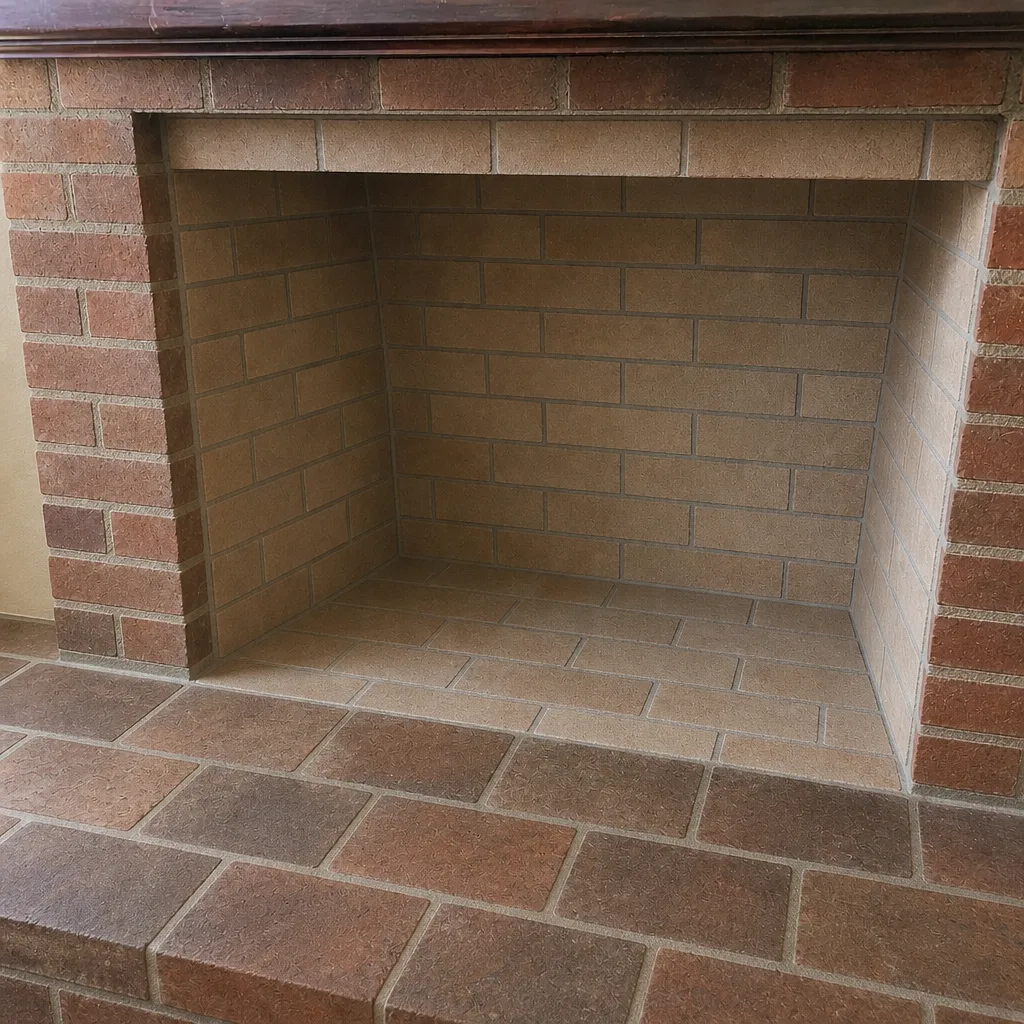
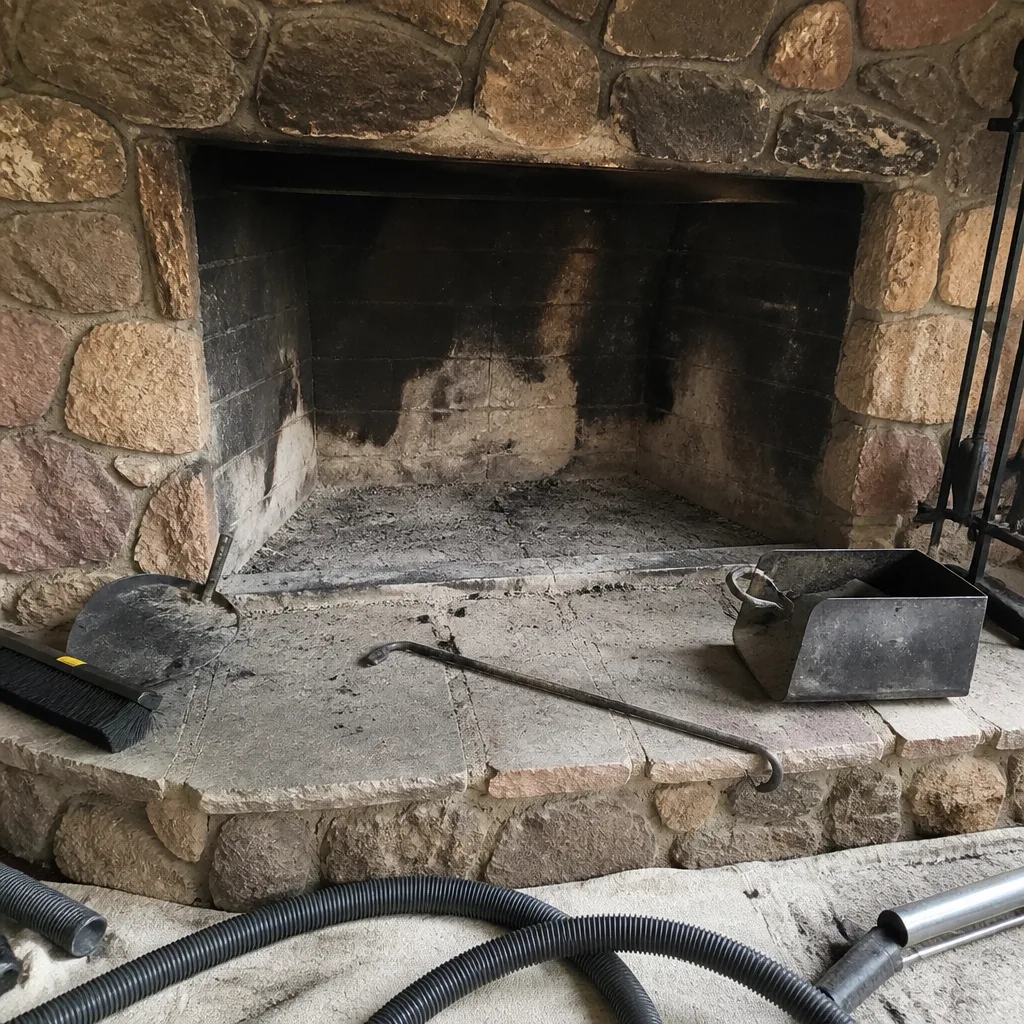
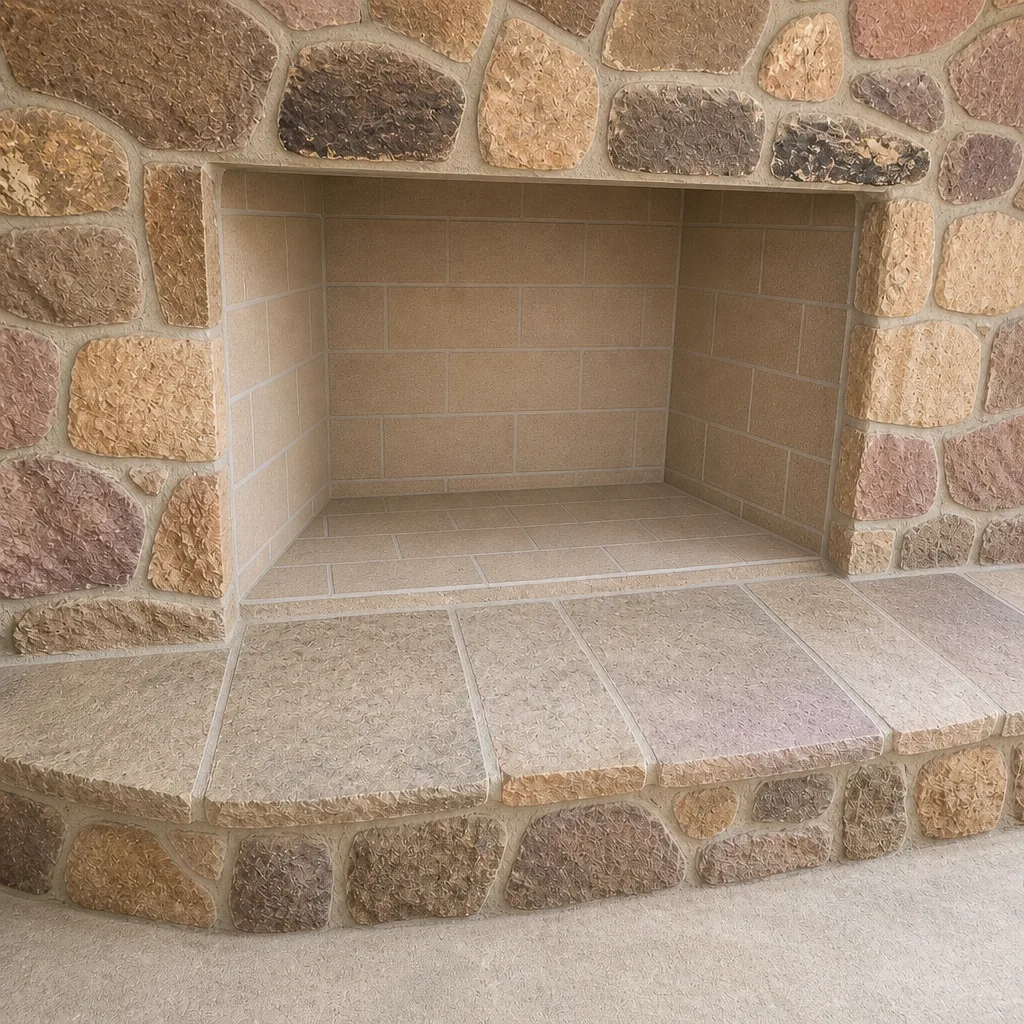
See the difference
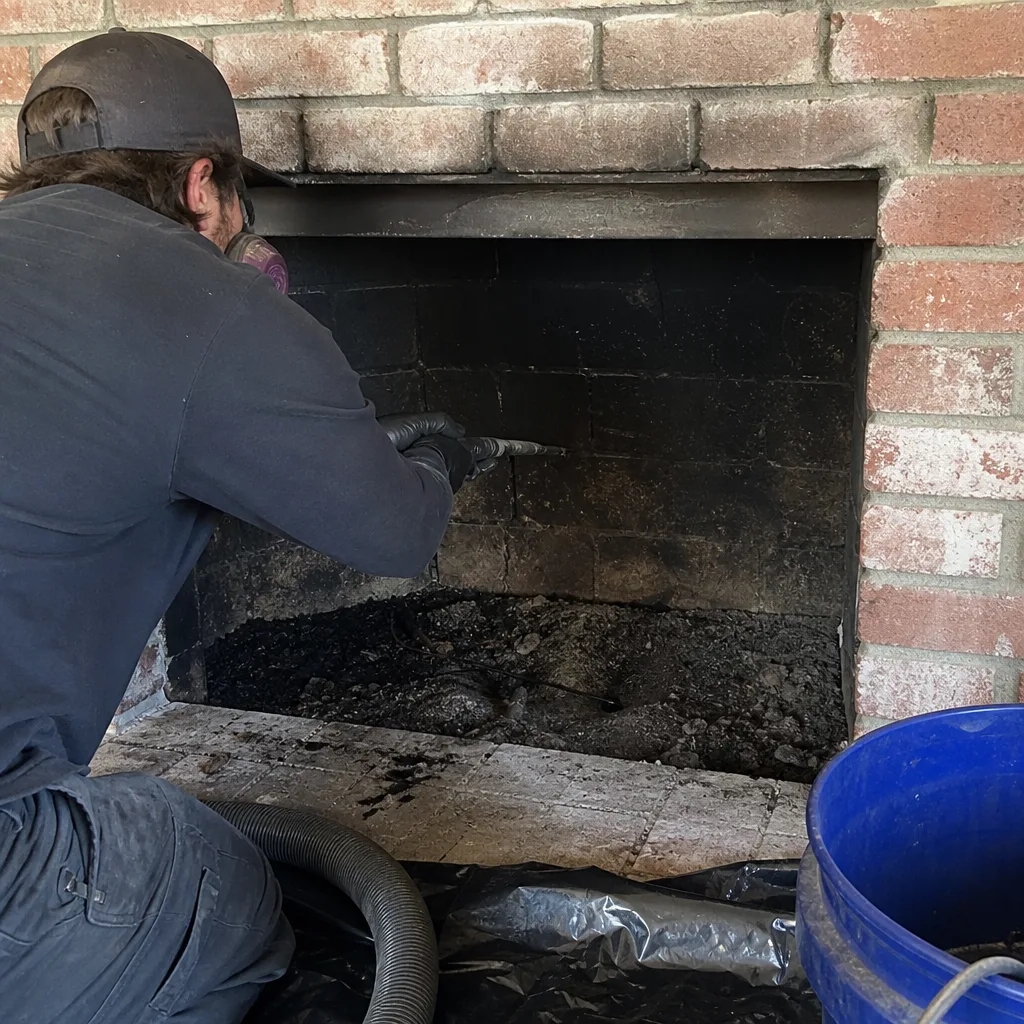 Before
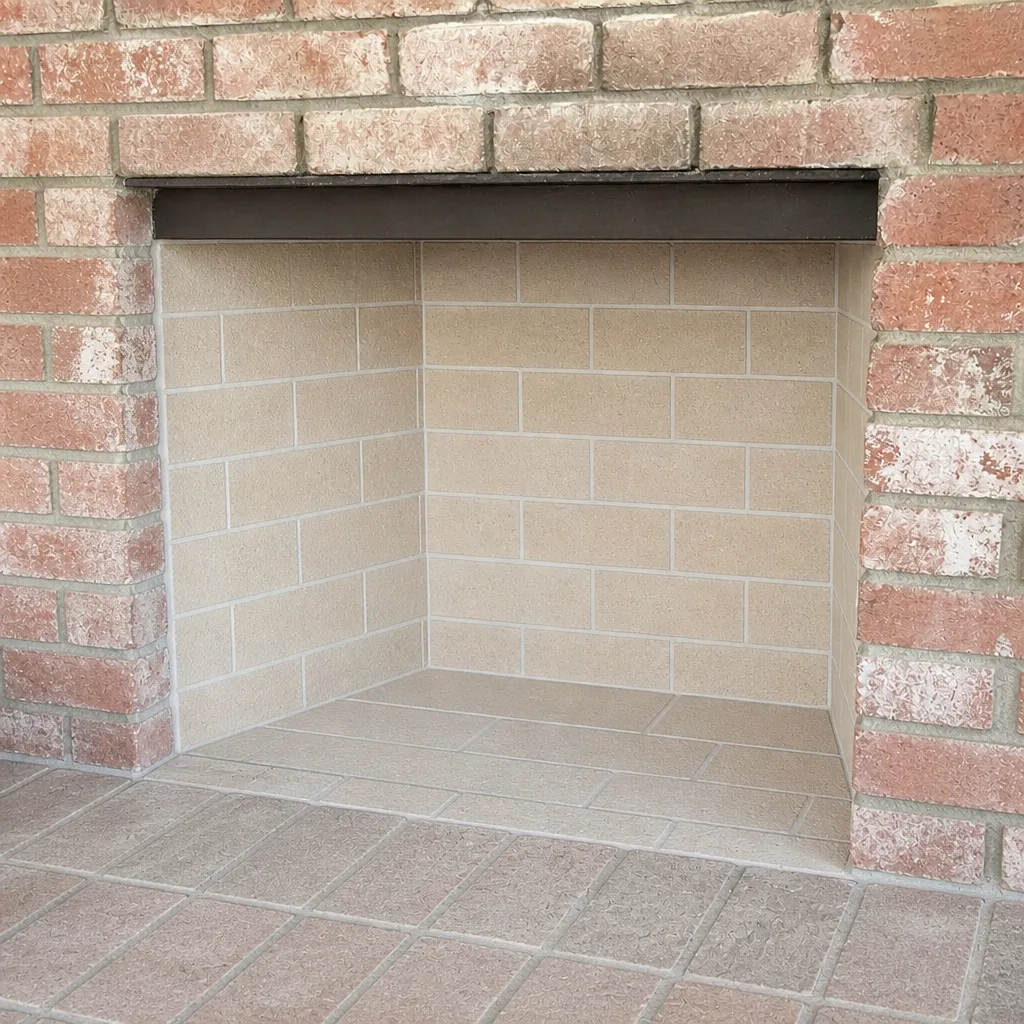 After
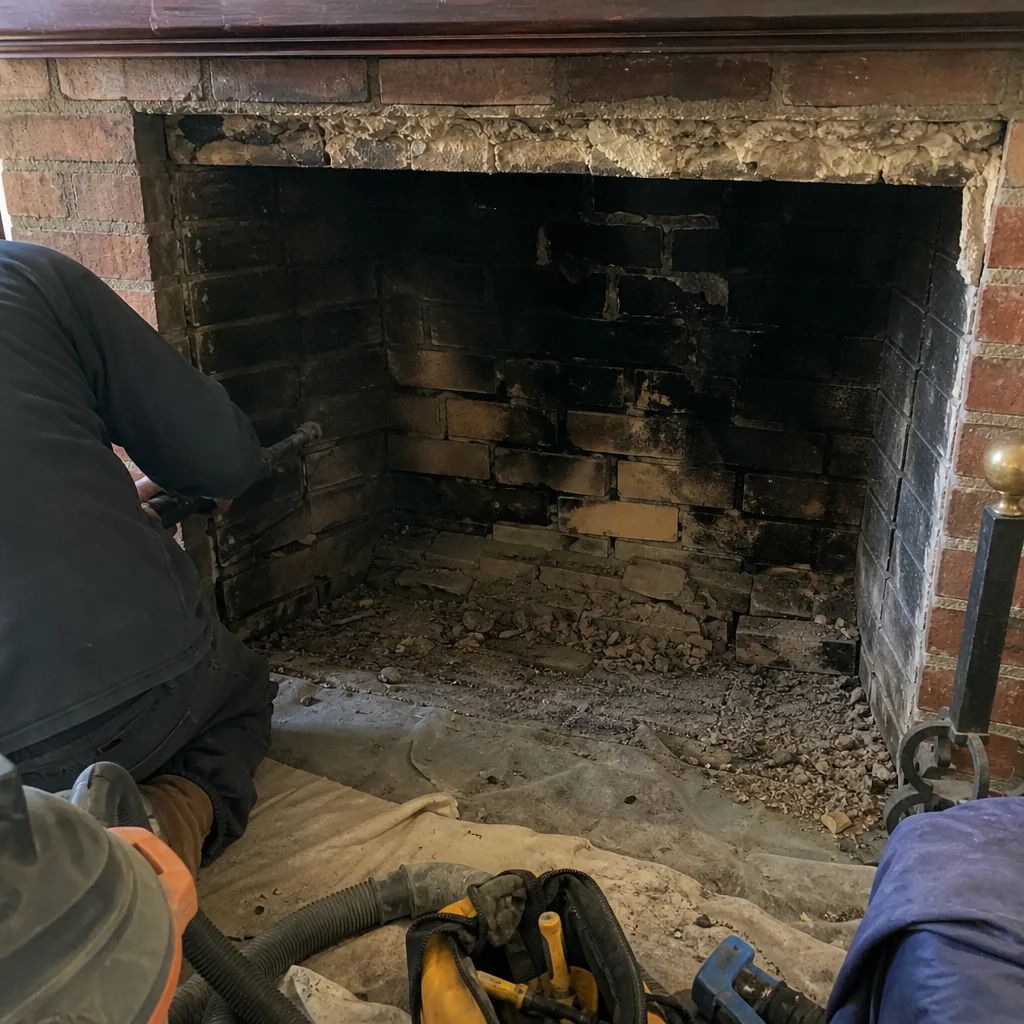 Before
 After
 Before
 After
When to Call a Professional
Call a professional chimney specialist when you’re buying or selling a Brentwood home and don’t have a recent Level 2 report, when you’ve had a chimney fire or earthquake, when you suspect a cracked flue liner, or when you’re planning a liner replacement, insert, or firebox rebuild and need the permit and inspection handled correctly. Call us when you see water staining inside the firebox, a crown that’s visibly cracked, or a chimney separating from the house. And call us for an annual safety sweep if it’s been more than a year since the chimney was cleaned and you burn wood regularly. Brentwood Chimney Sweep offers free estimates in Brentwood – call (866) 937-7635. We answer 24/7. Fast dispatch from 7am to 7pm, Sunday through Friday.
Frequently Asked Questions
No. Routine chimney cleaning is maintenance and requires no permit. A permit becomes necessary when the work involves replacing the flue liner, rebuilding the firebox, replacing a damper, installing a gas insert or wood stove, or repairing the chimney structurally. Call (866) 937-7635 if you’re not sure which category your job falls into – estimates are free and we’ll tell you honestly whether a permit applies.
A standard sweep is priced per job by the written estimate, and the exact figure depends on the appliance and the condition of the chimney. The price is set before any work begins, so there’s no surprise on the invoice. An inspection with a video scan and a written report is a separate service and priced accordingly. Call (866) 937-7635 for an exact quote.
Not always. A flue liner that’s deteriorated but not yet at the point of full replacement can often be restored with a HeatShield resurfacing, which saves the cost of a reline. The decision should be made from a video scan you can see and a written report. If a contractor is recommending a full reline without showing you the evidence, get a second opinion. Call (866) 937-7635 and we’ll show you what’s actually happening inside the flue.
An annual sweep is the baseline for a wood-burning fireplace, and it should be paired with a Level 1 inspection each year. If the home changes hands, if an appliance is added, or if there’s been a chimney fire, you need a Level 2 inspection with a video scan instead. Homes on the coast and homes in the Sierra get different schedules, but an annual check is the standard. Call (866) 937-7635 to get on the schedule.
You’re usually not in trouble, but you do need to close the loop. The typical path is a Level 2 inspection to establish the condition of the chimney, followed by pulling the correct permit for the work that was done and having it inspected. That may be straightforward or may require correcting an improperly installed liner or insert. Call (866) 937-7635 to schedule an inspection and we’ll walk you through the options.
Yes. A proper Level 2 inspection includes a video scan of the flue and a written report documenting what was found and any recommended repairs. The report and the video are yours to keep and share with a buyer, lender, or insurer. That documentation is the part that protects you during a sale or an insurance claim. Call (866) 937-7635 to schedule one for your Brentwood home.
Skipping the annual sweep and inspection lets creosote build up in the flue and lets small cracks in the liner or crown worsen without anyone noticing. Creosote is what fuels a chimney fire, and a cracked flue can let exhaust gases where they shouldn’t go. None of this is a reason to panic, but it is a reason to book an inspection this year. Call (866) 937-7635 for a free estimate.
The Bottom Line
Cleaning is maintenance. Repair and replacement are construction, and in Brentwood those jobs need a permit from Contra Costa County and an inspection to close them out. A Level 2 inspection is the standard for a real-estate transaction, a new appliance, or a post-fire evaluation, and it comes with a video scan and a written report you keep. Verify the permit before work starts, ask for the report, and treat unpermitted work from a previous owner as a records problem you can fix rather than a reason to walk. We only do chimneys – from the firebox to the crown, every component inspected and serviced – and the local pro who performs the work is licensed and insured as their state requires. Catch it in an inspection, fix it before it’s a fire hazard.
Call (866) 937-7635 for a free estimate here in Brentwood. We answer 24/7. Fast dispatch from 7am to 7pm, Sunday through Friday.
Written by the team at Brentwood Chimney Sweep.