
Last updated November 22, 2026
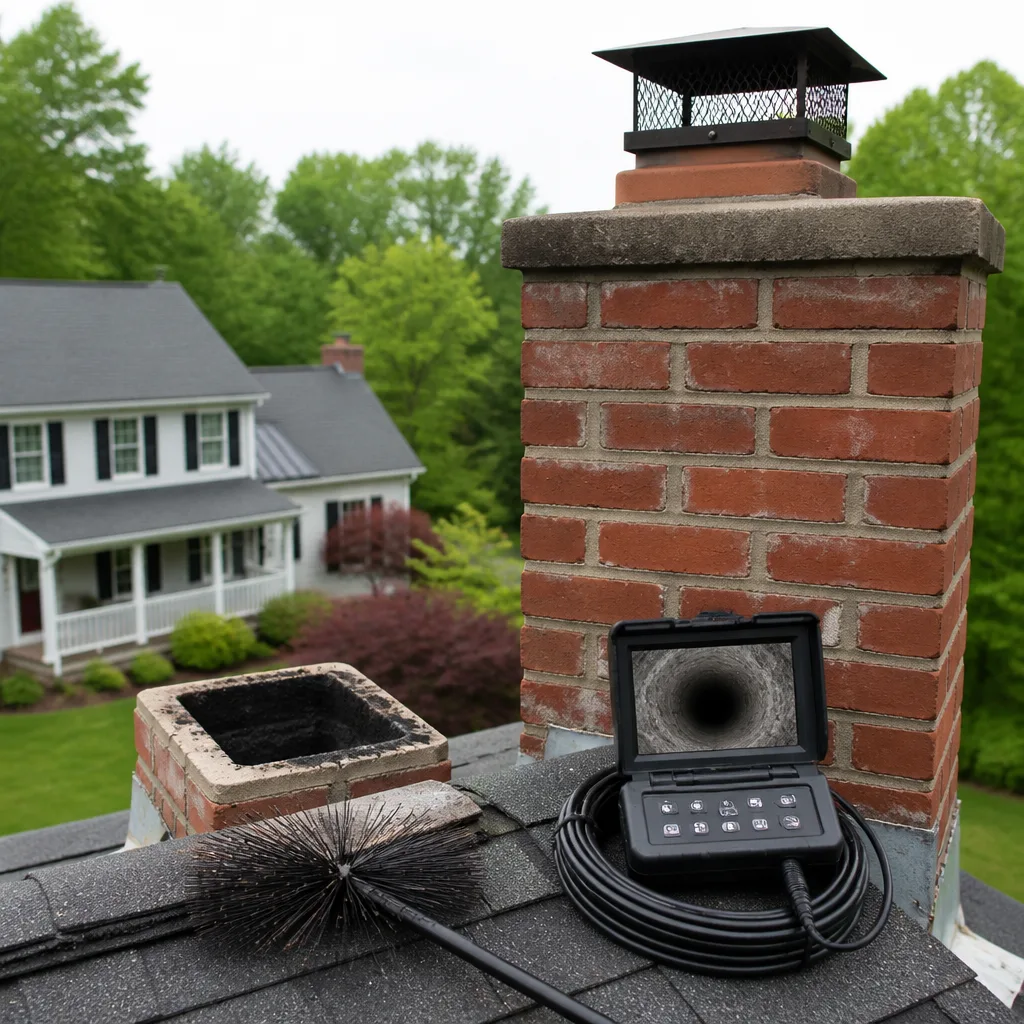 Sweep & inspection
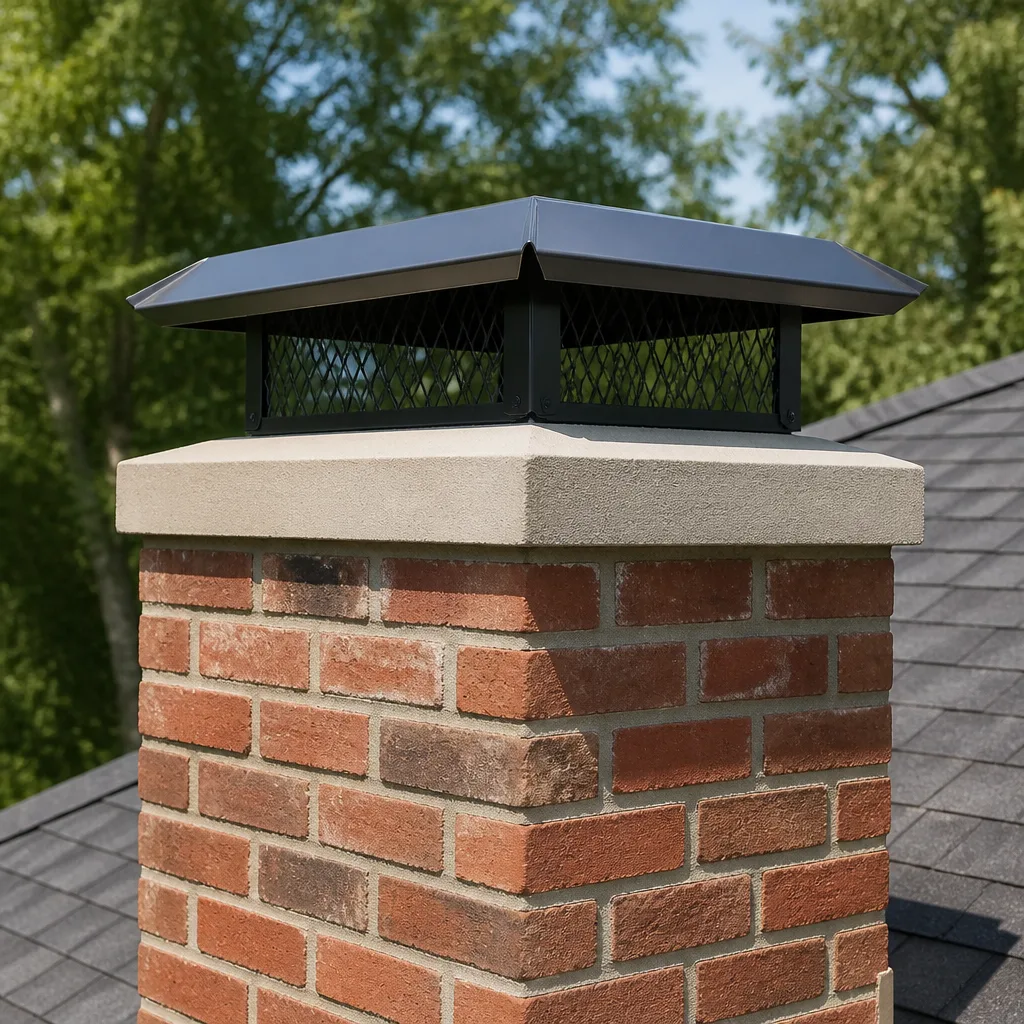 Caps & crowns
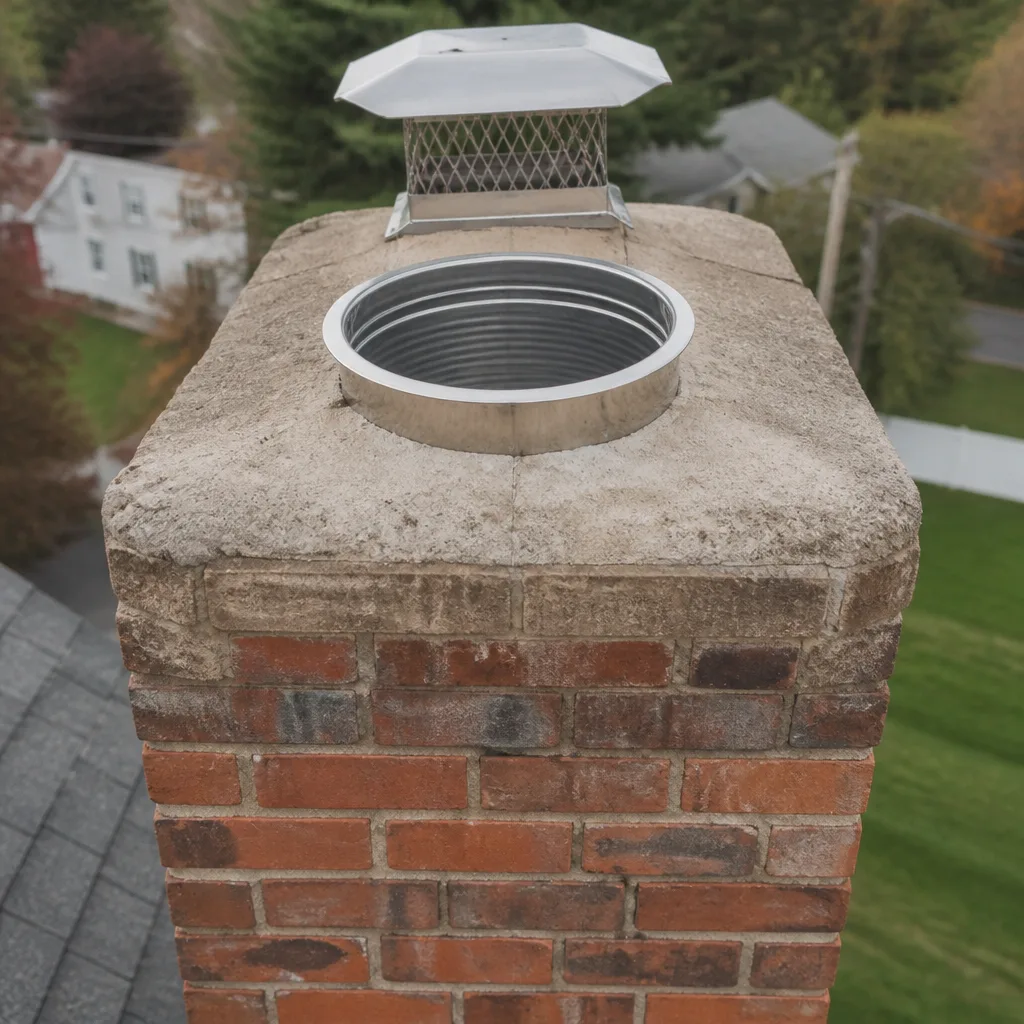 Flue relining
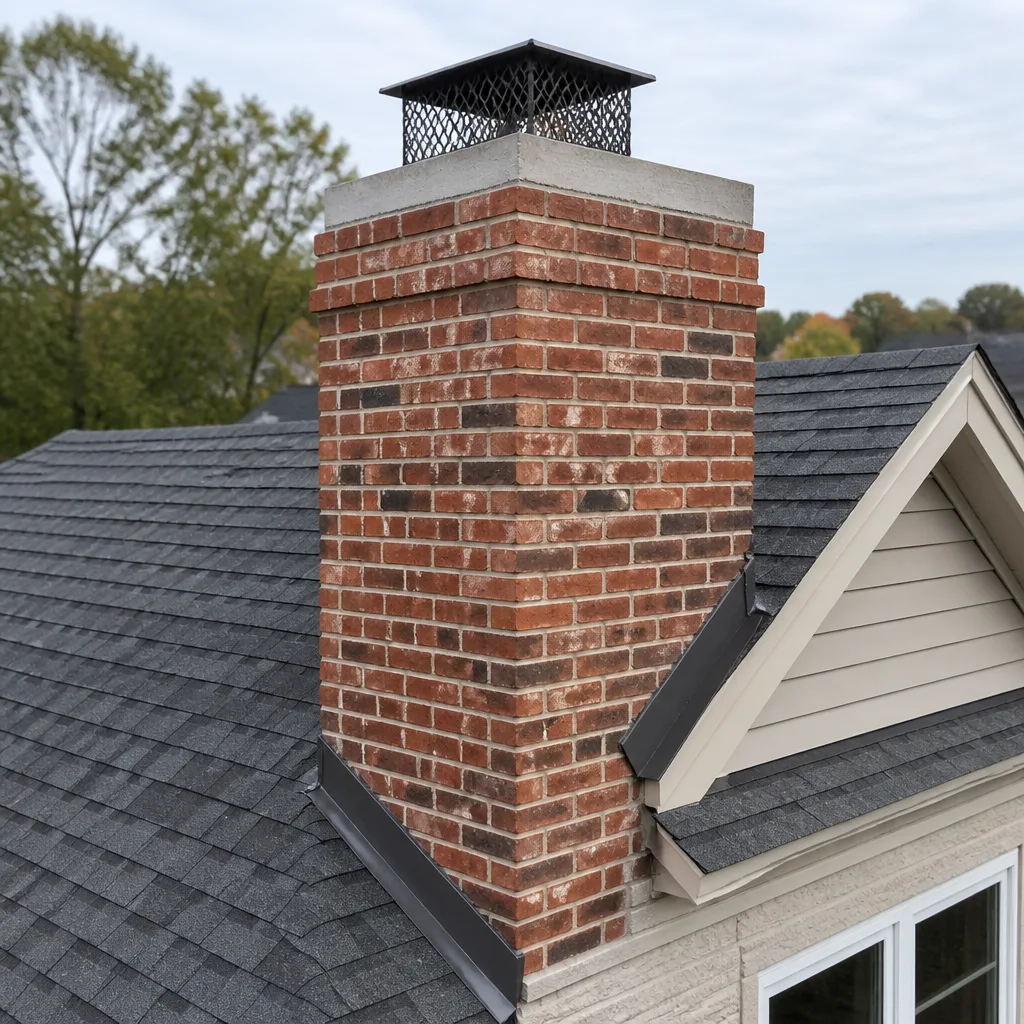 Masonry repair
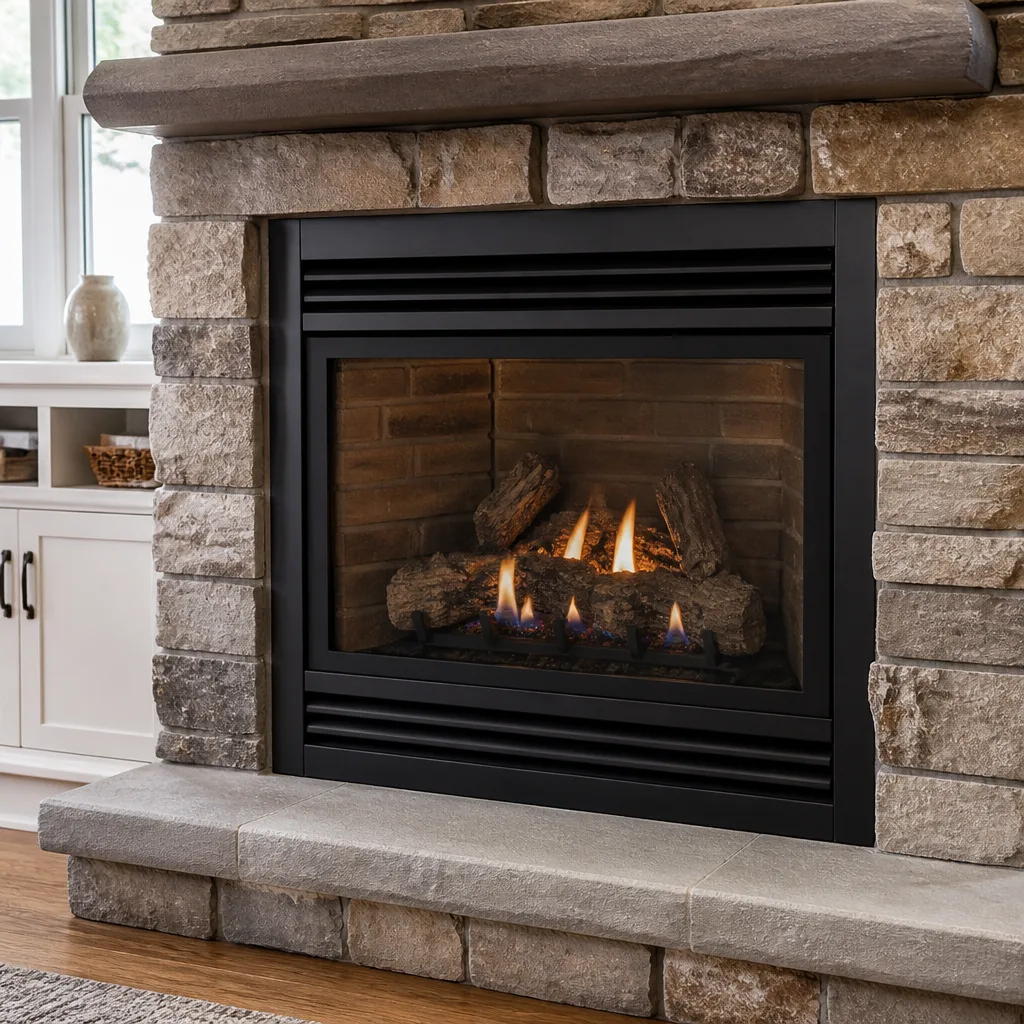 Gas fireplace service
Level 1 sweep and inspection to the NFPA 211 annual standard - flue, crown, cap, and flashing checked and photographed
Chimney sweep logs do not sweep chimneys. They loosen some creosote - which then falls where a brush and vacuum still have to collect it.
Chimney Cleaning Warning Signs: A Brentwood Homeowner’s Reference Guide
A white stain on your chimney’s exterior isn’t a cosmetic issue. It’s efflorescence, and it means water is already moving through your masonry. Most homeowners see that chalky crust, or notice a faint smoky smell in the living room, and file it under “probably nothing.” Then they blame the wood for the smell and the roof for the stain, and the actual chimney problem keeps getting worse underneath. This guide connects the symptom you actually notice to the specific component behind it – so you know what’s cosmetic, what needs a sweep, and what means stop using the fireplace. Our technicians have up to 12 years of experience reading exactly these clues in Brentwood homes, and the list below is the same order we work through on a diagnostic visit.
Quick Answer
The warning signs that matter most in Brentwood fall into four groups: smell (creosote, animal intrusion, or moisture-mold), interior visuals (firebox spalling, rusted damper, smoke staining above the throat), exterior visuals (efflorescence, crown cracks, missing mortar, damaged cap), and performance (slow-starting fires, smoke rollout, poor draft). Rusted components, cracked crowns, smoke rollout into the room, and strong creosote odor are the ones to act on quickly – and smoke entering your living space means stop using the fireplace until a professional looks at it. Everything else is worth a booked inspection before the next burning season, not a panic.
Styles & brands we work with
- Sweep & inspection
- Caps & crowns
- Flue relining
- Masonry repair
- Gas fireplace service
Table of Contents
- Smell-Based Warning Signs: Three Odors, Three Causes
- Interior Signs You Can Safely Check Yourself
- Exterior Warning Signs: What the Outside Tells You
- Performance Warnings: Slow Fires, Smoke Rollout, Poor Draft
- Which Signs Mean Stop Burning Today
- Timing Your Sweep Around Brentwood’s Burning Season
- What a Proper Sweep and Inspection Covers
- Frequently Asked Questions
Smell-Based Warning Signs: Three Odors, Three Causes
Your nose is often the first instrument to catch a chimney problem, but the smell is almost always misread. Homeowners tend to blame the wood, the weather, or a draft from somewhere else. In our experience across Brentwood, a persistent smell breaks down into three recognizably different odors, and each one points at a different cause.
The three smell categories
- Creosote odor – a sharp, tarry, smoky smell that lingers in warm weather. This usually means creosote has built up on the flue walls and is off-gassing, especially on a still day when the house is warm and the firebox is cold. It’s a prompt to schedule a chimney sweep – thick creosote is the fuel for chimney fires, and it doesn’t clear itself.
- Animal intrusion odor – a musky, ammonia-heavy, or uric smell. Birds, squirrels, and occasionally raccoons make their way into uncapped or screen-damaged flues. The smell tends to spike when the house is warm and drafts pull air down the flue. It points to a missing or failed cap, which is a chimney cap & crown problem rather than a cleaning problem.
- Moisture-mold odor – a damp, musty, earthy smell. This is the one homeowners most often blame on the crawlspace or a bathroom fan. It usually points to water entering through a failed crown, cracked mortar, or a missing rain cap, and then settling in the firebox or flue. Mold smell plus any exterior staining is a strong signal the masonry is absorbing water.
Why the smells get confused
Wood smoke in the air around Brentwood in winter is common enough that a faint creosote smell in your own home feels “normal.” But strong, persistent odors that appear when there’s no fire burning are the ones worth scheduling an inspection for, and the inspection tells you which of the three categories you’re in without guesswork. A camera pass down the flue shows creosote depth, animal debris, or moisture damage clearly, and the tech can share the image so you’re seeing the same evidence they are.
One practical note: don’t try to “burn off” a smell by lighting a hot fire. If the smell is creosote, a hot fire is exactly what a flue fire needs to ignite.
Interior Signs You Can Safely Check Yourself
You don’t need a camera or a ladder to catch about half the warning signs on this list. A flashlight and a few minutes in front of the fireplace will do. What you’re looking for are changes to the firebox, the damper, and the smoke chamber above the firebox throat. Anything that looks like damage rather than soot is worth a booked inspection.
The interior checklist
- Shine a light on the firebox floor and walls. Flaking, chalky, or crumbling brick is called spalling, and it means the firebrick or mortar has been subjected to heat and moisture cycles long enough to break down. Spalling firebox brick is a structural warning, not a soot issue.
- Open the damper and look at the plate and hinge pin. A rusted damper plate, a hinge that binds, or a damper that won’t seal closed is a sign of moisture in the smoke chamber. Damper and throat issues are common in Brentwood homes where the fireplace has sat unused for a season or two – a seized damper is one of the most frequent fireplace repair calls we see.
- Look above the firebox throat. Smoke staining in a defined vertical line or a soot “wash” pattern above the throat means smoke is leaking past the damper area instead of going up the flue. That’s a draft or damper-seal problem, not a “dirty chimney” problem.
- Check the smoke shelf and lintel. A bowed lintel, sagging brick, or a crack wider than a hairline in the masonry around the opening is an interior structural warning and should be looked at before the next fire.
- Sniff the firebox when it’s cold. Open the damper, wait a minute, and smell. A faint tarry smell = creosote. Musty = moisture. Ammonia = animal. See the section above.
Don’t reach up past the damper, don’t remove any masonry, and don’t try to clean the smoke chamber yourself. The inside of the chimney above the firebox is where creosote sits, and it’s a trained technician’s job to work up there.
Exterior Warning Signs: What the Outside Tells You
The outside of a Brentwood chimney is the cheapest inspection you’ll ever do. Walk a lap around the house once a season and look at the chimney from ground level with binoculars if you need them. Six things are worth checking, and each one maps to a specific component.
- Efflorescence (the white chalky crust). Water is passing through the masonry and evaporating on the surface, leaving mineral salts behind. It’s not cosmetic – it’s a moisture intrusion warning. The most common sources are a failed crown or cracked mortar joints.
- Crown cracks. The concrete cap on top of the chimney is the roof for the whole structure. Hairline shrinkage cracks are normal, but any crack wide enough to hold a coin, or a crown that’s pulling away from the flue tile, allows water straight into the masonry below.
- Missing or crumbling mortar joints. Run a finger along a joint at ground level. If mortar crumbles or the joint is recessed deeper than it should be, the masonry is weathering faster than it should and likely needs repointing.
- Damaged or missing cap and spark screen. A missing cap, torn screen, or a cap that’s lost its fasteners is the open door for rain, birds, and squirrels. Cap and crown work is one of the highest-value fixes on a chimney because it prevents the majority of water damage.
- A leaning or spalling chimney stack. If the whole stack is tilting, or a course of brick is losing its face, stop and get an inspection. Structural masonry movement is not a maintenance item.
- Rust streaks or staining on the chimney face. Orange-brown streaks below the cap or around the flashing line often point to corroded fasteners, a rusted cap, or a flashing that has failed at the roof line.
Efflorescence is the one that fools people most. It looks like a stain, it brushes off easily, and it comes back after the next rain – which is exactly what it should do, because the water is still coming through. Cleaning off the salt without fixing the crown or the joints just hides the evidence for a season. Crown, cap, and repointing work is part of the reason we approach the trade as a full Brentwood Chimney Sweep specialist – you’re not chasing a mason and a sweep and a roof guy for one problem.
Performance Warnings: Slow Fires, Smoke Rollout, Poor Draft
Performance signs are the ones homeowners feel rather than see. A fire that used to light easily suddenly smokes the room, or the flue stops drawing the way it used to. In our experience, these warnings usually map to a structural cause, not to the wood. Here’s the read on the four most common ones.
Slow-starting fires
A fire that takes two or three tries to catch, or burns lazy and cool once it’s lit, often points to restricted flue flow – creosote buildup, a nest or debris blockage, or a screen that’s clogged with soot. Cold, dense air in the flue makes a slow start worse, which is why the first fire of the season is usually the worst one.
Smoke rollout into the room
Smoke rolling out of the firebox when you open the door, or puffing back into the room when you add wood, is a draft failure. The usual causes are a blocked or undersized flue, a broken damper that won’t open fully, a chimney that’s too short for the house’s roofline, or negative pressure in the house from an exhaust fan. If smoke enters the living space, stop using the fireplace and get an inspection – this is a carbon monoxide warning, not just a comfort one.
Difficulty maintaining draft
A fire that starts fine and then dies down, or that pulls well one day and poorly the next, often points to a cracked or deteriorating flue liner. Combustion gases leak through a failed liner into the masonry instead of up the flue, and the fire loses its draw. A camera inspection tells you whether the liner is sound, and if it’s deteriorating, resurfacing with a product like HeatShield is often a cost-saving repair that avoids a full reline.
Soot outside the chimney or on the roof
Fresh soot deposits on the roof, on the flashing, or blown onto the siding are a clear sign the chimney isn’t drafting cleanly. That’s usually creosote buildup combined with a draft problem – both worth a sweep and an inspection in the same visit.
Which Signs Mean Stop Burning Today
The list above ranges from “schedule this season” to “put the fire out.” Here’s the split we use, and it’s the one worth remembering. Some signs can wait a week or two for a booked sweep. A few cannot.
Stop using the fireplace immediately
- Smoke entering the living space. Rollout is a carbon monoxide symptom. Stop burning, open a window, and book an inspection.
- A strong, persistent creosote smell with no fire burning. The creosote is thick enough to smell through the house.
- Visible glazed or puffy creosote on the flue walls (seen by camera). This is the stage that fuels a chimney fire.
- Damaged or missing flue tile, or a cracked liner. Combustion gases can leak into the masonry and into the home.
- A leaning stack, a bowed lintel, or a firebox with large cracks. Structural.
Book a sweep or inspection this week
- Efflorescence, crown cracks, missing mortar. Water damage progresses, but a week or two won’t change the outcome.
- A rusted or sticking damper. Stop using the fireplace if the damper won’t open fully; otherwise, book it.
- A missing or damaged cap and screen. Book it before the next rain if you can. Don’t use the fireplace if a screen is torn and debris is inside the flue.
- Slow-starting or smoking fires that resolve once the flue is warm. Book a sweep before the next burning season.
The important nuance: if a warning sign appears on the “stop using” list, don’t try to burn it off, don’t try a DIY flue brush, and don’t assume a hot fire will clear it. A chimney fire or carbon monoxide exposure is the reason the list exists. Call (866) 937-7635, and we’ll book a camera inspection so you can see the flue yourself before any repair is recommended.
Timing Your Sweep Around Brentwood’s Burning Season
The practical answer on timing is simple: book the sweep before you start burning, not after. The reason is that the warning signs above are easiest to spot and cheapest to fix on a cold, empty flue in the off-season. Once the first fire is lit, you’re doing a cold inspection on a warm flue, and any debris dislodged during the sweep has to be cleared before the next fire anyway. Booking ahead also means a failed cap or a crack spotted in the inspection gets repaired before the first rain of the season, not after.
A few local notes on reading the signs:
- Wet-season moisture warnings are the ones Brentwood homeowners notice most. Efflorescence on a chimney face, a damp smell in the firebox, or a rusted damper plate usually shows up after weeks of rain, not during the dry months. That’s the signal to look at the crown.
- Summer heat and a still air mass make creosote smell stronger. A tarry smell in a warm, unused firebox is a common summer complaint and a real warning, not a seasonal quirk.
- Animal intrusion is a fall and spring issue. A flock of birds around the chimney top in spring, or a squirrel sighting near the cap in fall, is worth a look at the cap and screen even if the smell hasn’t reached the house yet.
There’s no fixed frequency that beats evidence. Most wood-burning fireplaces used regularly need a sweep once a year, but a home that burns heavily or burns unseasoned wood can need it more often. The right move is a sweep based on what the camera and the visible signs actually show, not a calendar line item.
What a Proper Sweep and Inspection Covers
An inspection is only worth the evidence it produces. When we look at a warning-sign checklist in a Brentwood home, we work top to bottom so nothing gets skipped. Here’s the order, and it’s the same one a good sweep uses:
- Exterior walk-around. Crown, cap and screen, mortar joints, efflorescence, flashing, and stack condition from the ground.
- Firebox and damper. Spalling brick, damper plate and hinge, lintel, and smoke staining above the throat.
- Camera pass down the flue. Creosote depth, glazed creosote, flue tile cracks, gaps in the liner, and animal debris. You should see the image, not just a verbal summary.
- Draft and performance test. A smoke test or draft measurement to confirm the flue is actually drawing the way it should.
- Sweep. Creosote and soot removal down to the firebox, with the work area protected.
- Written findings. A clear explanation of what’s fine, what needs a follow-up, and what can safely wait. A photo report is part of the inspection so you can verify it yourself.
We work with professional-grade materials on anything that needs a fix: DuraFlex and Olympia Chimney for liner work, HeatShield for flue resurfacing, and Gelco and Copperfield for the components where they’re the right fit. If the camera shows a liner that’s eroded but structurally intact, a HeatShield resurfacing can restore it in place instead of a full reline – that’s the cost-saving repair most homeowners don’t know exists until they ask. When the liner is genuinely compromised, we say so, show the photo, and recommend the right fix rather than the cheapest one.
How the written report works
Every inspection comes back with a written findings summary, not a verbal “you need a new chimney.” Photos from the camera pass go with the report so you can see what we saw. If a repair can wait a season, the report says so. If a repair shouldn’t wait, it says why. The number on the estimate is the number that holds – no add-ons after the work starts without a conversation first.
Common Mistakes to Avoid
- Blaming a smoky smell on the wood. Wet wood makes more smoke, but a smell that’s there with no fire burning is a creosote, animal, or moisture signal. Buying a different cord of wood won’t fix it.
- Blaming a ceiling stain on the roof. A stain near the chimney is more often a crown or flashing failure than a roof failure. Get the chimney looked at before you pay for a roofing repair that doesn’t fix the source.
- Washing off efflorescence and calling it done. Brushing off the white crust without repairing the crown or the mortar joints just hides the water damage for a season.
- Ignoring a damper that won’t close. A damper that sticks open leaks heat out of the house and pulls cold air and moisture down the flue in the off-season. A damper that won’t open fully is a fire and carbon monoxide risk – stop using the fireplace.
- Using a DIY flue brush on heavier creosote. Glazed or puff creosote isn’t removed by a homeowner brush and can be dislodged into the smoke chamber or worse. Leave heavy creosote to a trained sweep.
- Assuming a spring sweep means you’re covered for the year. A sweep clears what’s there. If the inspection also flagged a cap missing or a crown cracked, that repair still needs to happen before the next wet season – a sweep alone doesn’t fix structure.
- Hiring a generalist who “also does chimneys.” A roofing or HVAC company that adds chimney cleaning as a side service usually can’t resurface a liner, repair a crown, or read a flue camera properly. Chimney work is its own trade, and it’s the only one we practice.
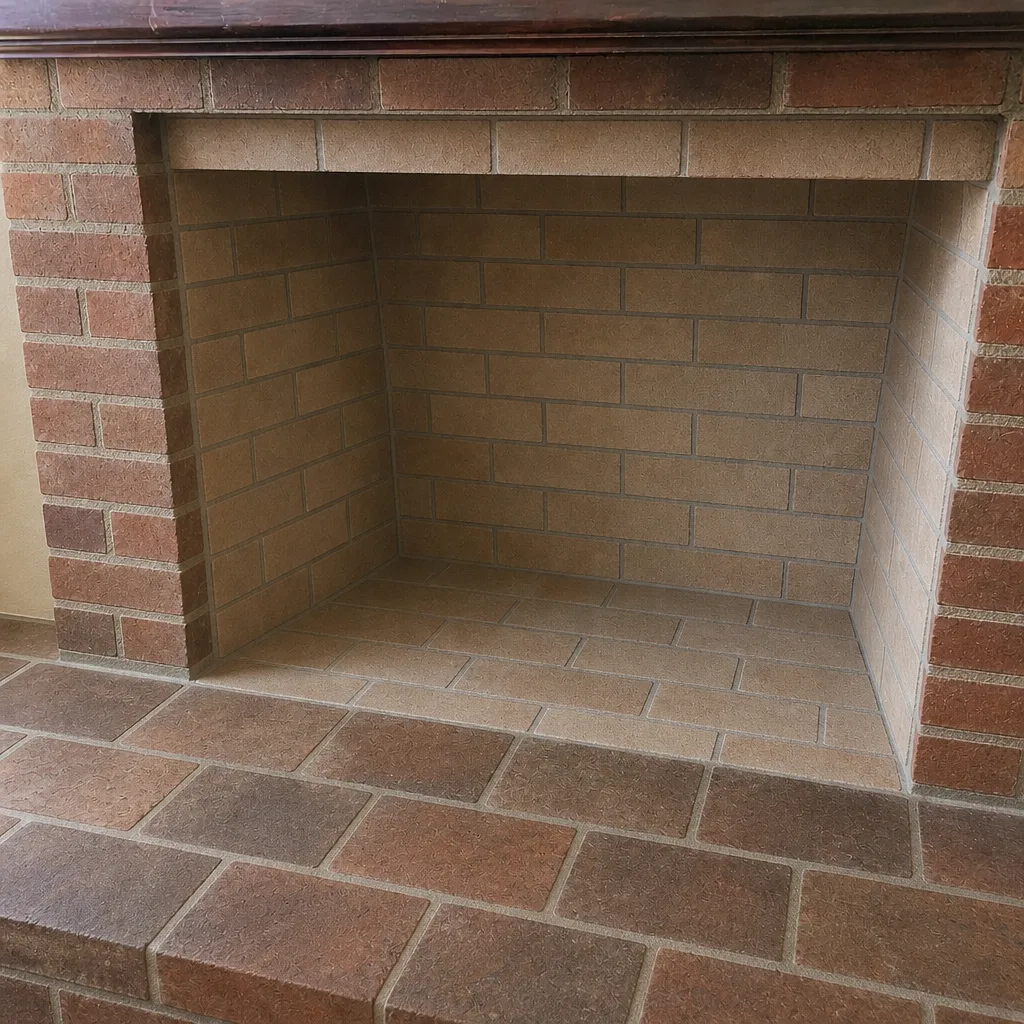
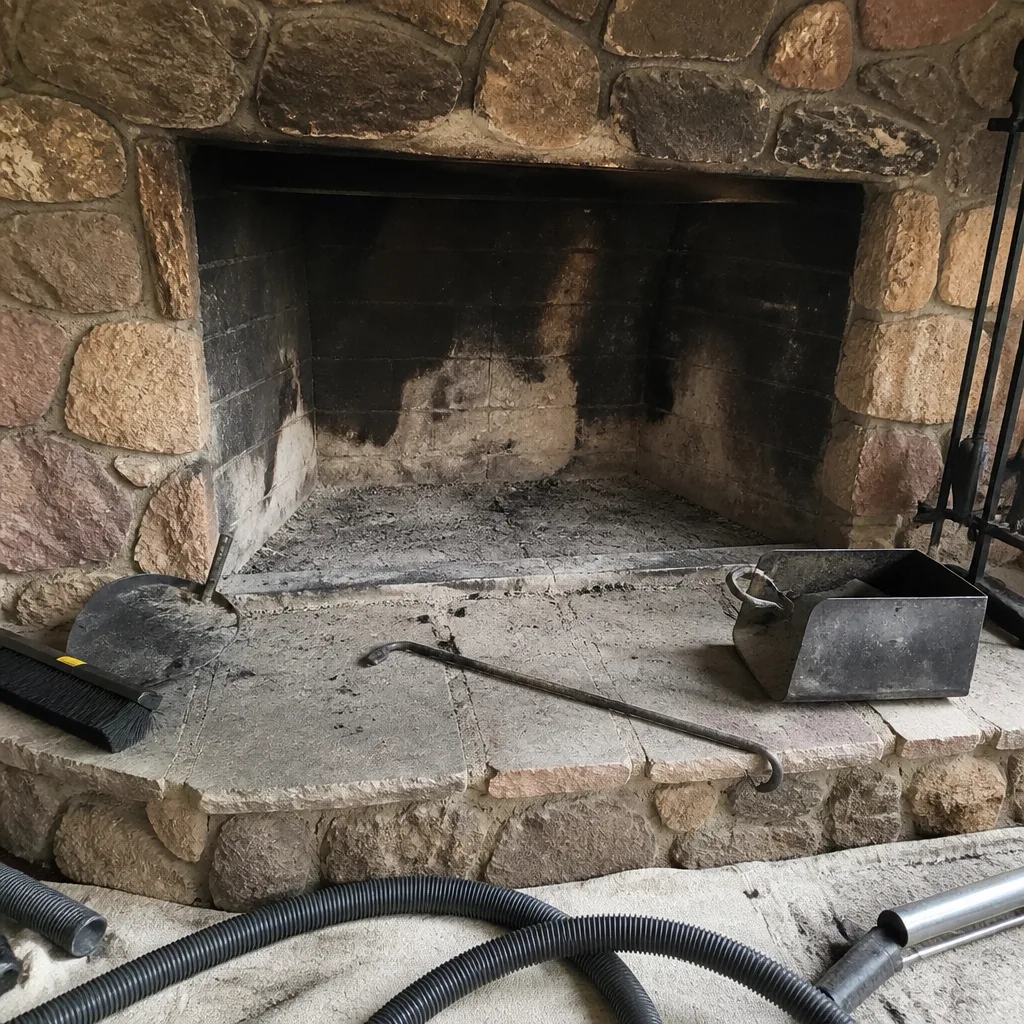
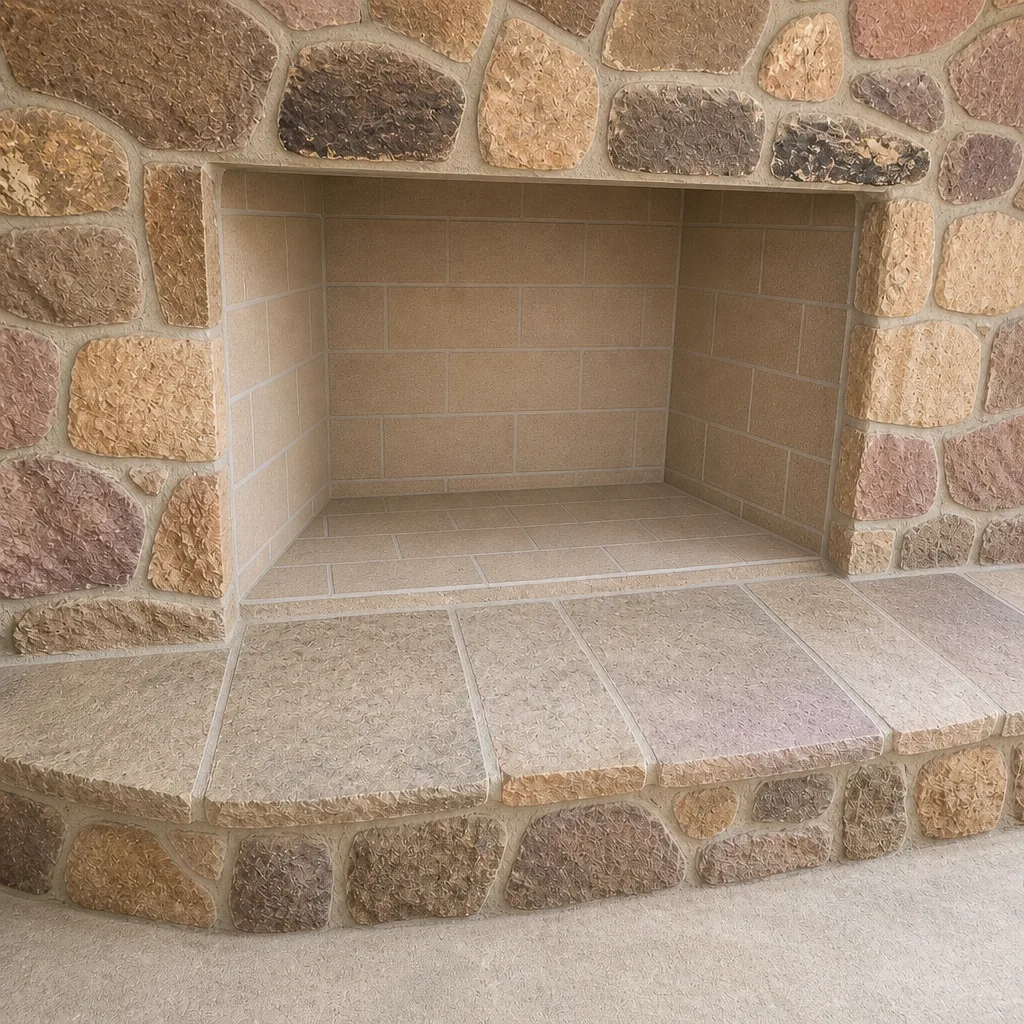
See the difference
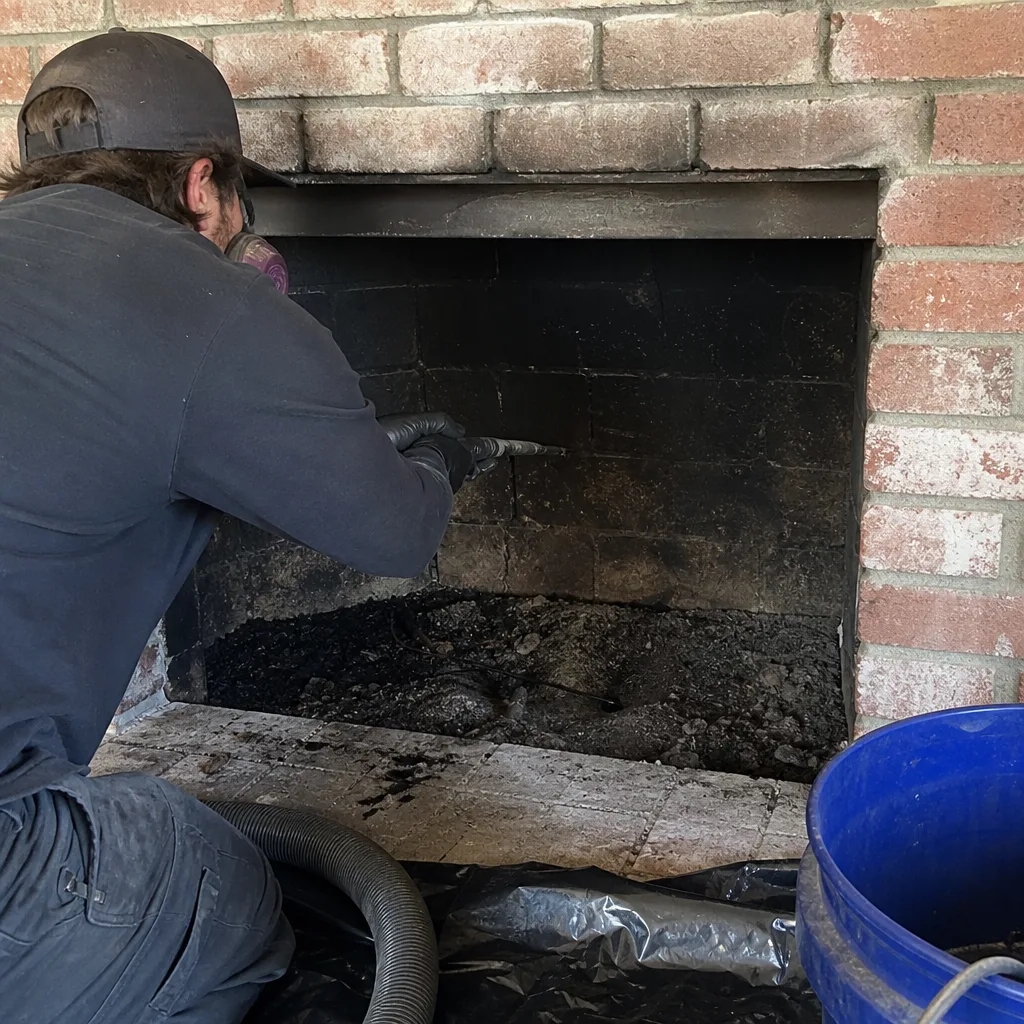 Before
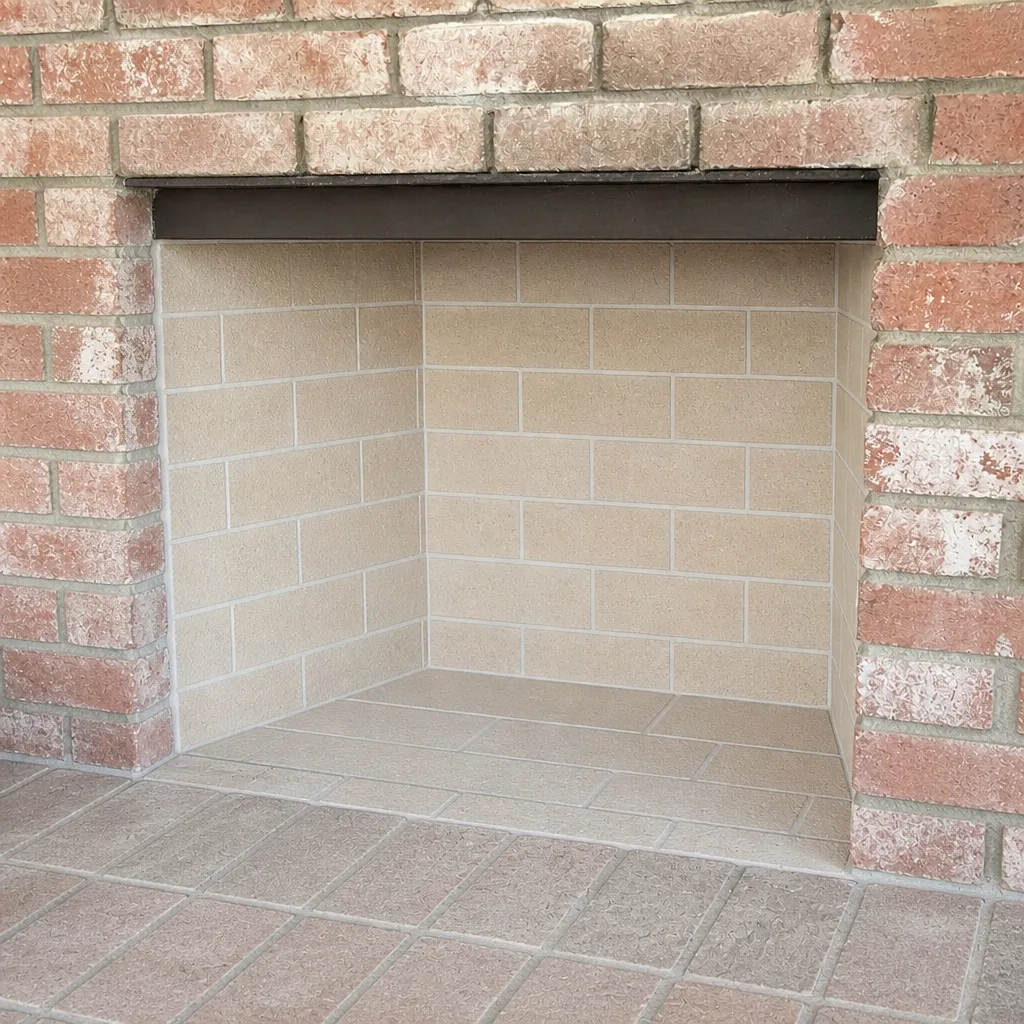 After
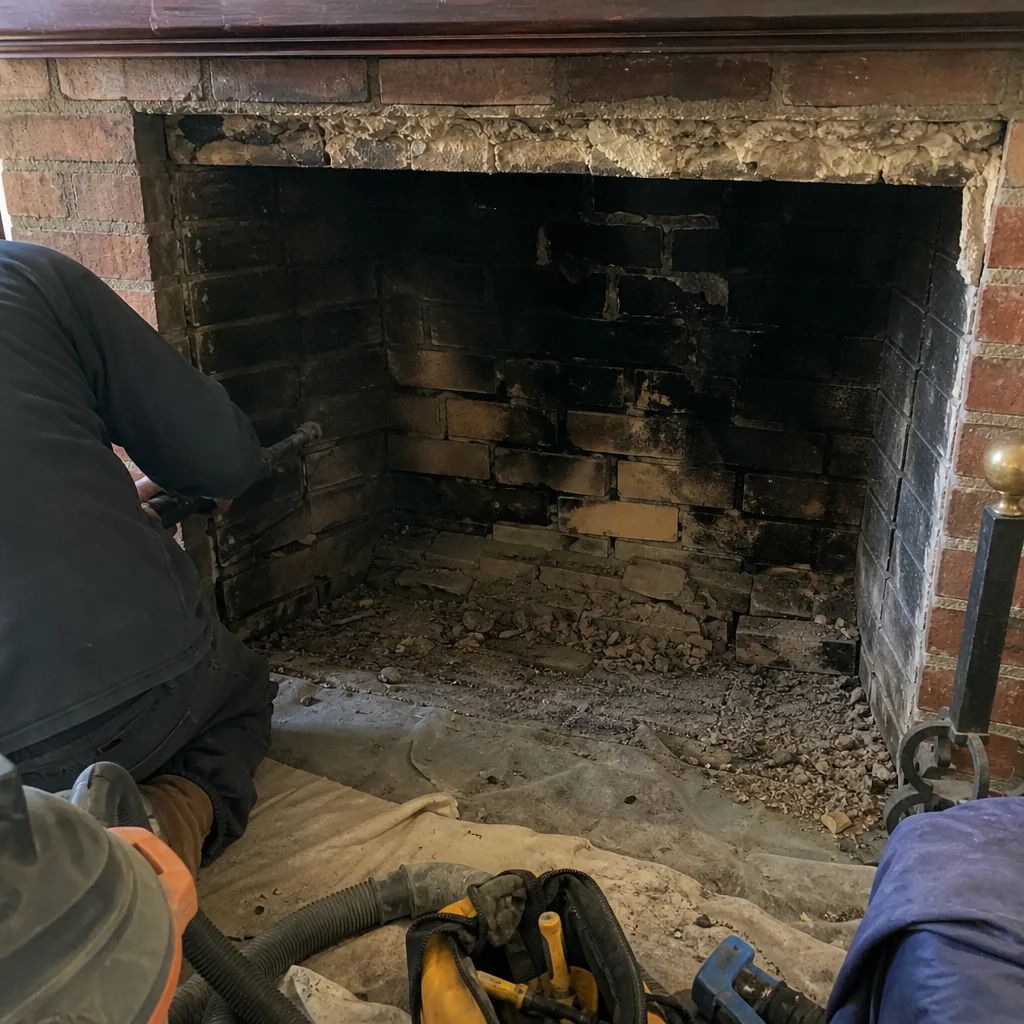 Before
 After
 Before
 After
When to Call a Professional
Call a professional when you see any of the “stop using” signs above, and book a sweep when the warning signs are cosmetic or seasonal. Our technicians have up to 12 years of experience reading these clues, from a tarry creosote smell in a Brentwood firebox to a hairline crown crack that only shows up after a wet week. A camera inspection, a photo report, and a written estimate come with every visit, so you can verify what we find before you agree to any repair – and if a repair can safely wait a season, we’ll say so. Brentwood Chimney Sweep offers free estimates in Brentwood. Call (866) 937-7635. We answer 24/7. Fast dispatch from 7am to 7pm, Sunday through Friday.
Frequently Asked Questions
Chimney cleaning in Brentwood typically runs $180 to $350 for a standard sweep, and a camera inspection is often bundled with the sweep when it’s booked at the same visit. Repairs found during the inspection are quoted separately, and the written estimate sets the final price. Call (866) 937-7635 for an exact quote – estimates are free.
Not always. A camera inspection shows whether the flue tile is structurally compromised or simply eroded. If the liner is intact but worn, HeatShield resurfacing can restore it in place instead of a full liner replacement, which is usually less expensive. If it’s cracked through or has gaps, a liner replacement is the right call. Either way, the recommendation should come with a photo, not just a verbal summary – and it does on ours.
A wood-burning fireplace used regularly usually needs one sweep a year. Heavier use or burning unseasoned wood can push that to more frequent service, and the camera inspection tells you what the flue actually looks like rather than guessing from a calendar. A gas fireplace still needs an annual inspection even though it doesn’t build creosote the way wood does.
The risk depends on what’s already in the flue. Creosote left to build up is the fuel for a chimney fire, and a cracked or deteriorating liner can let carbon monoxide leak into the home. Water damage from a failed crown or missing cap worsens every wet season. None of these are visibly urgent until they are, which is why a booked inspection is the cheaper path. Call (866) 937-7635 for an estimate – estimates are free.
Yes, usually. A chalky white stain is efflorescence, which means water is moving through the masonry and leaving mineral salts on the surface. The water is coming from a failed crown, cracked mortar joints, or a missing cap, and it will keep recurring until the source is repaired. It’s not a fire risk by itself, but it’s a clear warning to book an inspection.
A sharp, tarry, smoky smell points to creosote buildup on the flue walls. A damp, musty, earthy smell points to moisture intrusion, usually from a failed crown or cracked mortar. A musky or ammonia smell points to animal intrusion through a missing cap or torn screen. Each one calls for a different repair, and the inspection tells you which you’re dealing with.
You can, but the staining will come back if the cause isn’t fixed. Staining above the firebox throat usually means smoke is leaking past the damper or the smoke chamber instead of drawing up the flue. Clean the surface for looks, but book an inspection before the next season so the actual draft problem gets addressed.
Yes. We offer chimney inspections as a standalone service for real-estate transactions, insurance requirements, and annual safety checks. A camera pass, a photo report, and a written findings summary are part of the inspection, so a buyer, seller, or insurer can see the same evidence we do. Call (866) 937-7635 to schedule – estimates are free.
The Bottom Line
Most chimney problems announce themselves well before they become a fire risk or a structural repair – they’re just easy to misread. The white stain is water, not cosmetic. The smoky smell is creosote, not the wood. The rusted damper is moisture, not age. The slow fire is a flue restriction, not the weather. Read the sign, identify the component, and act on the correct schedule. Stop using the fireplace for smoke rollout, heavy creosote, a cracked liner, or a leaning stack; book a sweep for the rest. A camera inspection and a written photo report take the guesswork out of it, and a specialist who only does chimneys is the right person to read the list. Call (866) 937-7635 for a free estimate in Brentwood – we answer 24/7, with fast dispatch from 7am to 7pm, Sunday through Friday.
Written by the team at Brentwood Chimney Sweep.