
Last updated November 22, 2026
 Sweep & inspection
 Caps & crowns
 Flue relining
 Masonry repair
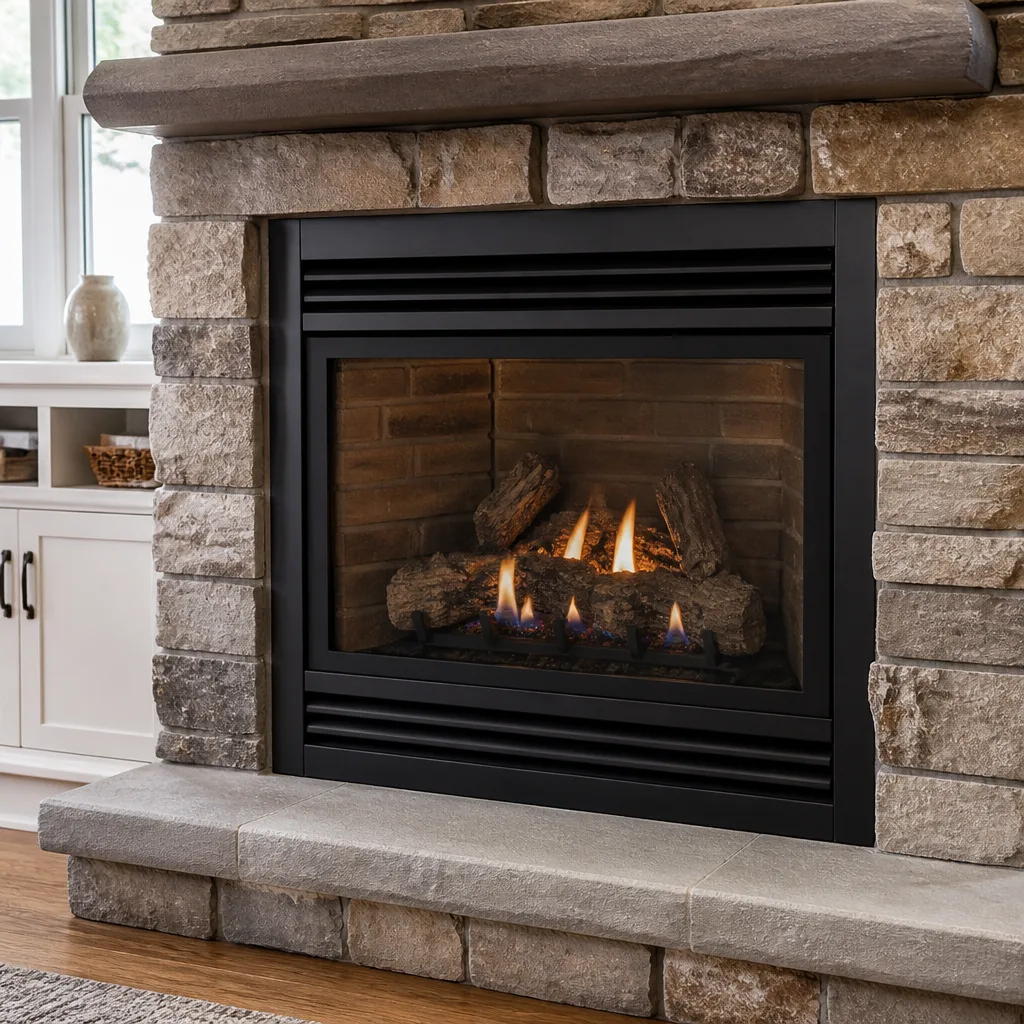 Gas fireplace service
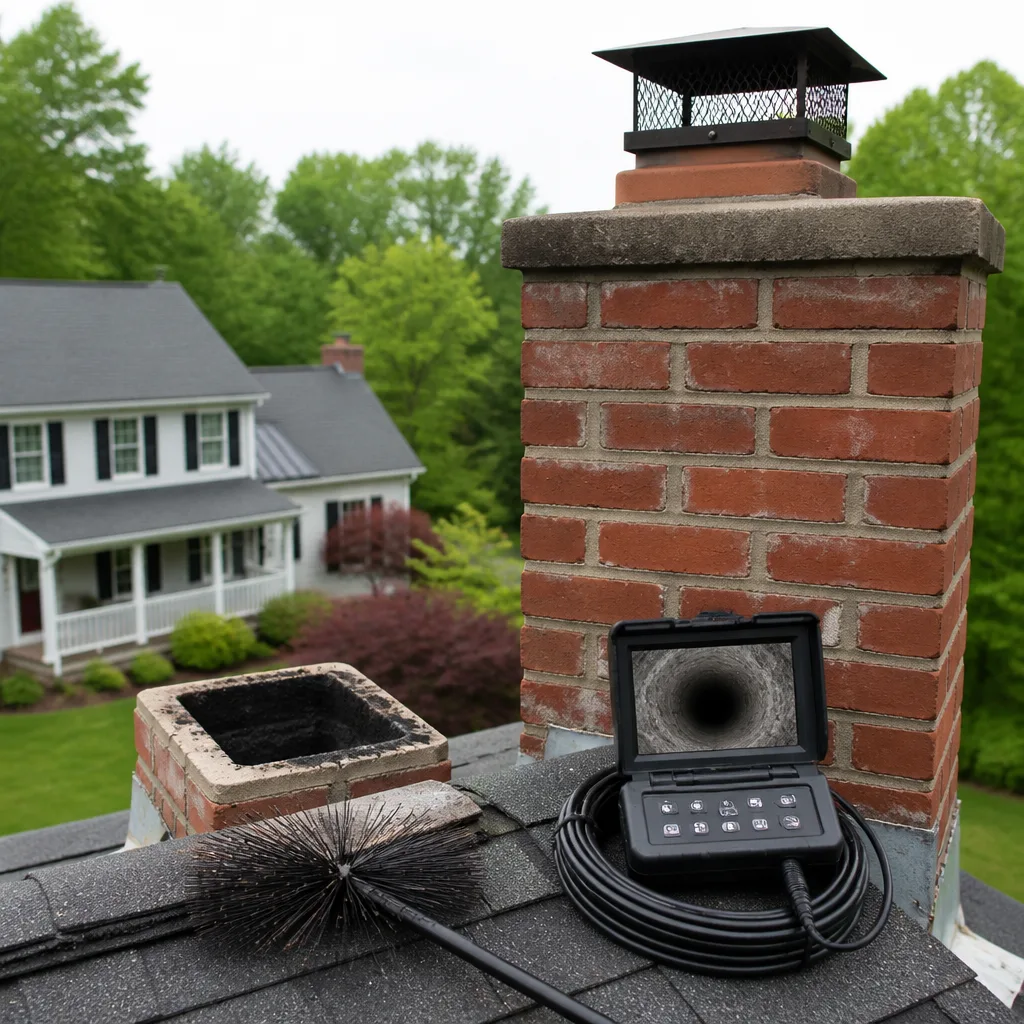
Level 1 sweep and inspection to the NFPA 211 annual standard - flue, crown, cap, and flashing checked and photographed
Chimney sweep logs do not sweep chimneys. They loosen some creosote - which then falls where a brush and vacuum still have to collect it.
DIY vs Professional Chimney Cleaning: The Brentwood Homeowner’s Decision Guide
You can run a brush through your flue and pull out creosote. It’s satisfying work, and the pile of black soot at the bottom of the firebox tells you something came off the walls. But stopping at “I cleaned it” is where homeowners get into trouble. The brush scrapes what it can reach, while the crack in the liner behind the soot, the crumbling mortar in the smoke chamber, and the crown that’s letting water into the chase all sit there untouched. A fire doesn’t start from the creosote you removed. It starts from the buildup you couldn’t see. In this guide, we’ll walk through exactly what a Brentwood homeowner can safely handle, what genuinely requires a technician and a camera, and how to tell the difference before you climb a ladder or make a call.
Styles & brands we work with
- Sweep & inspection
- Caps & crowns
- Flue relining
- Masonry repair
- Gas fireplace service
Quick Answer
DIY chimney cleaning is realistic for a homeowner who already has a clean, sound, easily accessible flue, owns the right brushes for their liner type, and only needs light creosote removed between professional inspections. Professional cleaning is required for anything involving the smoke chamber, a camera inspection of the liner, heavy or glazed creosote, a damaged crown, or a chimney you can’t evaluate from the firebox. In Brentwood, the practical split is this: handle the ash and the easy-to-reach soot, but leave the diagnosis and the deep cleaning to a specialist who can see what they’re cleaning around.
Table of Contents
- What a Homeowner Can Legitimately Do Themselves
- What Requires Professional Equipment and Training
- When DIY Brushing Is Genuinely Acceptable
- When DIY Creates a False Sense of Safety
- Liability, Insurance, and Self-Certifying Your Chimney
- Cost-Benefit: Annual Cleaning vs. Chimney Fire Remediation
- Brentwood-Specific Factors That Change the Answer
- How a Professional Cleaning Actually Works
- Common Mistakes to Avoid
- When to Call a Professional
- Frequently Asked Questions
- The Bottom Line
What a Homeowner Can Legitimately Do Themselves
Plenty of chimney upkeep is within reach for a careful homeowner, and we’d never pretend otherwise. Routine housekeeping around the firebox keeps your system cleaner between professional visits, and none of it requires specialized tools or a ladder. The work you can honestly take on falls into three buckets:
- Firebox ash removal. Scooping out cold ash once a cord or two of wood has burned is straightforward. Leave a thin layer of ash on the firebox floor to help the next fire catch, and dispose of the rest in a metal container with a tight lid, well away from anything combustible.
- Damper visual check. Open and close the damper by hand or with the lever. It should move freely and seal reasonably well. If it sticks, grinds, or leaves a visible gap, that’s a note for your technician, not a project to force.
- Exterior cap inspection from the ground. Stand back with binoculars and look at the cap and crown. You’re checking for obvious trouble: a missing cap, a cracked crown, bird nests spilling over, rusted mesh, or a cap sitting crooked. Anything that looks wrong from the ground confirms it needs professional eyes.
- Clearing creosote from the firebox and smoke shelf you can reach safely. Brushing the visible firebox walls and the smoke shelf at the top of the firebox with a hand brush keeps loose soot from building up. No climbing required.
That’s a reasonable list. Notice what’s missing: the flue itself. The moment you’re reaching overhead into a flue with a brush on a rod, you’ve crossed from housekeeping into a task that needs the right equipment and, more importantly, the ability to see what you’re cleaning around. Our chimney sweep technicians see plenty of homes where the homeowner has done honest upkeep and still has a flue problem nobody caught.
What Requires Professional Equipment and Training
There’s a specific set of tasks where the tools aren’t the whole story. The tools matter, but the real difference is that a trained technician knows how to interpret what the tools reveal. Here’s what falls firmly on the professional side:
Flue camera inspection
A camera run through the flue is the only way to see the full length of the liner, the joints, the mortar, and the transition into the smoke chamber. A homeowner with a flashlight and a mirror can sometimes glimpse the bottom couple of feet. That’s not an inspection. It’s a guess. The crack that starts a chimney fire is usually a few feet up, in a joint you can’t see from the fireplace floor.
Smoke chamber evaluation
The smoke chamber is the sloped area above the damper and below the flue. It’s the most overlooked part of a chimney and one of the most common places for problems. Its corbelled walls collect creosote and are difficult to clean without specialized tools. Evaluating its condition, and resurfacing it when the mortar has deteriorated, requires both a camera and the training to read what you’re seeing.
Negative-pressure cleaning
A proper sweep runs a high-powered vacuum with negative pressure on the firebox so dust and soot get pulled out of the room instead of settling into your living room furniture. A homeowner with a shop vac and a brush sends a fine layer of soot into the air of the house. That soot settles everywhere, and it’s difficult to remove. Professional cleaning keeps the mess contained.
Creosote assessment and removal
Creosote comes in stages. The flaky, soot-like type is easy to brush. The tar-like, glazed type is much harder and much more dangerous because it ignites at lower temperatures. Distinguishing between them, and knowing when brushing alone won’t remove the buildup, is a judgment call that comes from doing the work repeatedly.
Structural evaluation of the crown, cap, and masonry
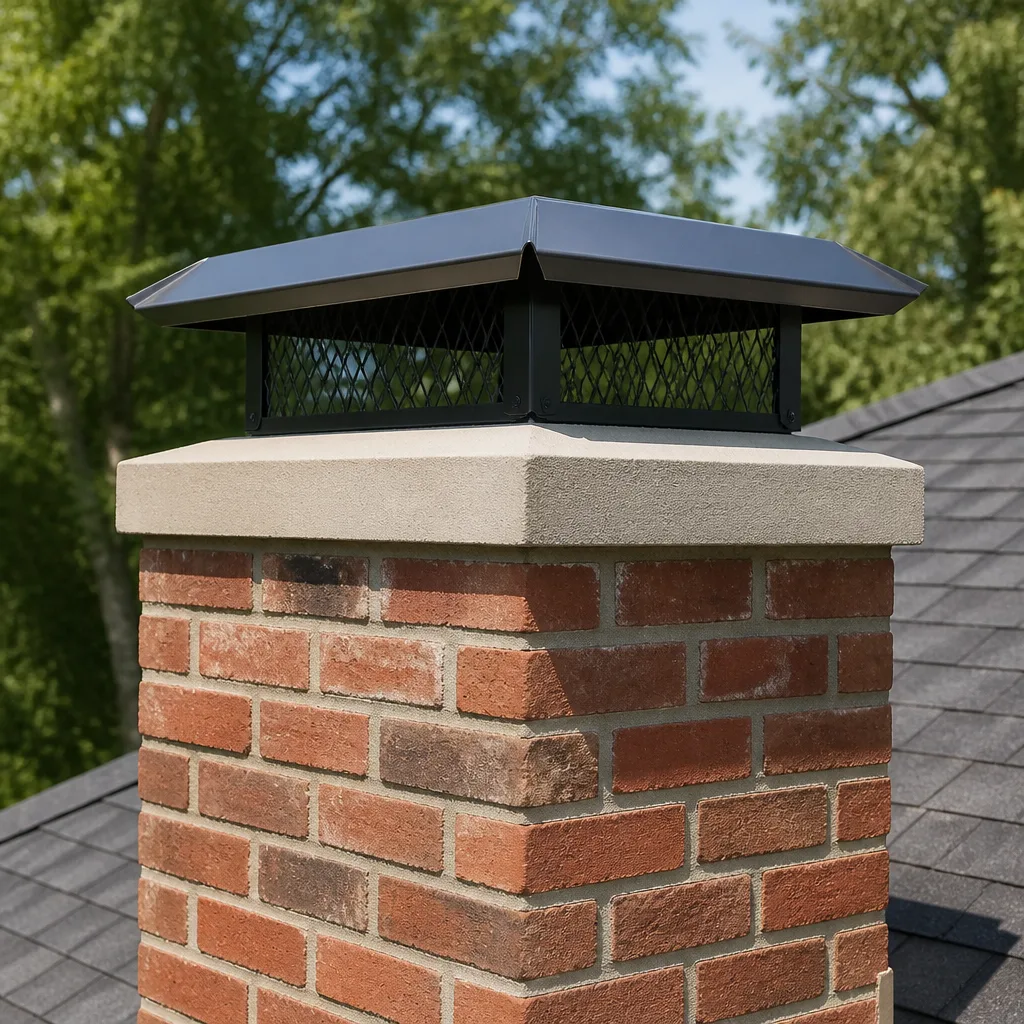
The chimney cap & crown are your chimney’s first line of defense against water. A cracked crown, a rusted cap, or failing mortar at the top of the chase can let in water that damages the flue liner, the firebox, and the framing around the chimney over months and years. Judging that condition properly is part of every professional visit, and it’s exactly the kind of thing a homeowner simply doesn’t have the vantage point to assess.
When DIY Brushing Is Genuinely Acceptable
We mean it when we say DIY brushing isn’t always a bad idea. There are narrow, specific circumstances where a homeowner with the right equipment and a bit of patience can keep things in good shape between professional visits. Here’s the checklist we’d use if a neighbor asked us whether to do it themselves:
- You’ve had a professional inspection within the last year that found no issues. If the liner, smoke chamber, crown, and cap were all sound at the last inspection, you know what you’re working around. Without that baseline, brushing is blind.
- You burn dry, seasoned wood and clean lightly. A chimney that gets brushed every few weeks during the burning season, with light soot accumulation, rarely develops the heavy creosote that causes problems. A chimney that gets brushed once a year after heavy burning is a different story.
- You own the correct brush for your liner type. Wire brushes for masonry flues, poly brushes for stainless liners. The wrong brush scratches and damages. A homeowner who has confirmed their liner type and bought the matching brush is in a defensible position.
- Your flue is a straight shot from the firebox to the top. Offsets, bends, and elbows make brushing almost impossible to do correctly without specialized rods and technique. If you can’t see straight up to daylight, leave it to a pro.
- You can reach the flue top safely, or use a bottom-up approach. Climbing a roof with a brush and rods is one of the most common ways homeowners get hurt. If you’re not comfortable on the roof, don’t do it. A bottom-up brush and rod set is safer, but only works if the geometry allows it.
- You understand that brushing is not inspection. The single most important condition. If you’re not going to confuse “I brushed it” with “I inspected it,” DIY brushing is a reasonable supplement to professional service.
If all six boxes are checked, a homeowner in Brentwood can realistically handle the light brushing between annual visits. If any box is unchecked, the balance tips toward professional cleaning, and it’s not a close call.
When DIY Creates a False Sense of Safety
Here’s the part most online tutorials skip. Brushing a flue and calling it clean is a little like mopping a floor while ignoring a puddle of water seeping from the wall. The floor looks fine. The problem is somewhere else.
The false sense of safety is the real hazard. A homeowner who brushes their own chimney often stops there. They don’t get the inspection that would have found the cracked liner. They don’t get the camera pass through the smoke chamber that would have revealed crumbling mortar. They don’t hear that the crown has a hairline crack that’s been letting water in. And because they did something, they feel like they’ve done enough.
DIY brushing is specifically problematic in these scenarios:
- You hear a roar, cracking, or popping from the chimney during a fire. That’s the sound of a chimney fire, and it needs a professional inspection afterward even if it seems to have gone out on its own. Brushing is not the follow-up.
- You smell a strong, sharp, creosote odor in warm weather. That usually means heavy creosote buildup, and brushing alone rarely removes it.
- You’ve had a chimney fire in the past, in this house or before you owned it. Old fire damage to a liner can be invisible from the firebox and dangerous to burn against.
- You’re selling a home, refinancing, or filing an insurance claim. Self-certification carries no weight with a buyer’s inspector, a lender, or an adjuster.
- You’ve never had the chimney professionally inspected. You don’t know what you’re brushing around, and that’s the whole problem.
- Your flue has any offsets, bends, or a top-mounted damper. Brushing these without proper technique can leave the brush stuck or damage the liner.
A good rule: brushing is the mop. It’s not the flashlight, the camera, or the diagnosis. Those three need to happen separately, and a homeowner can’t do them from the fireplace floor.
Liability, Insurance, and Self-Certifying Your Chimney
This is the part of the DIY-vs-professional conversation we wish more homeowners thought about before they start. A chimney fire that follows a self-cleaned chimney can turn into an insurance nightmare, not because insurers are unreasonable, but because the paper trail matters.
Most homeowners’ policies cover chimney fire damage, but adjusters ask predictable questions. When was the chimney last inspected? Who did the work? Do you have documentation? If the answer is “I brushed it myself last spring,” the adjuster has no professional record to point to. That doesn’t automatically sink a claim, but it creates friction, and friction on a large claim is expensive in time and, sometimes, payout.
A professional cleaning produces documentation. A technician who cleans and inspects a chimney records what they found: the level of creosote, the condition of the liner and smoke chamber, any defects observed, and the recommended next steps. That record exists if a fire happens, and it’s the kind of documentation that supports both the homeowner and the insurer in sorting out what occurred and why.
Professional cleaning also matters when you sell. Buyers and their inspectors want evidence the chimney was maintained. Lenders financing a home with a wood-burning fireplace often ask for a current inspection. A self-certified cleaning is not the same document. If you’re planning a sale in the next year or two, the inspection trail is worth more than the money saved by brushing it yourself.
There’s also the plain-language liability point. If a chimney fire damages your home and spreads to a neighbor’s, the origin of the fire becomes the question. A homeowner who cleaned their own chimney and called it safe is in a much harder position than one who hired a specialist and has the report. We’re not lawyers, and we don’t give legal advice. We do know which side of that conversation we’d rather be on.
Cost-Benefit: Annual Cleaning vs. Chimney Fire Remediation
Chimney fire remediation costs far more than a routine cleaning, and the gap isn’t close. That’s the honest cost-benefit framing, and it holds whether you’re thinking about the fire itself, the water damage from fighting it, or the liner replacement that almost always follows.
A chimney fire can damage a flue liner beyond use, crack masonry, and compromise the framing around the chase. The remediation typically involves a full liner replacement, masonry repair, sometimes interior reconstruction, and often smoke damage cleanup inside the home. The insurance claim is one part of the cost. The disruption, the time out of the house, the deductible, and the possibility of a premium adjustment are the rest.
Compare that to routine professional cleaning and inspection. A standard sweep and inspection, done annually, keeps small problems small. It catches a cracked liner before it becomes a fire hazard. It catches a failing crown before it becomes a water-damage problem. It catches glazed creosote before it ignites. The work is predictable and the cost is modest relative to almost any repair it prevents.
There’s a nuance here worth adding. Chimney maintenance isn’t a subscription to peace of mind. Sometimes the honest answer is “you’re fine, come back next year.” A specialist who regularly tells homeowners when work can safely wait is a specialist worth trusting. And when work is genuinely needed, catching it early is almost always cheaper than catching it later. A HeatShield resurfacing to restore a deteriorating flue liner, for instance, typically costs less than a full liner replacement, and it’s the kind of judgment call an inspection makes possible. Our technicians work with professional-grade products from brands like HeatShield, DuraFlex, and Olympia Chimney precisely because the right material for a given job is the one that fits the actual condition of the flue.
What typical costs look like
These are estimated ranges for the Brentwood area, and the written estimate you receive sets the final price. The point of the table isn’t the exact numbers. It’s the scale.
| Service | Typical estimated cost | Frequency |
|---|---|---|
| Professional sweep and inspection | Annual | Modest, predictable |
| HeatShield flue resurfacing | When inspection shows liner wear | Occasional repair |
| Full liner replacement | When a liner fails or is damaged | Major repair |
| Chimney fire remediation (liner, masonry, smoke damage) | When a fire occurs | The event we’re trying to prevent |
Every number in that table moves based on the specifics of your chimney, which is why we quote per job by written estimate rather than by phone. What doesn’t move is the relationship: annual cleaning is the cheap end of the scale, and everything below it in the table is the expensive end.
Brentwood-Specific Factors That Change the Answer
Brentwood’s climate shapes chimney maintenance more than many homeowners realize. Winters here are mild, which means many households burn fewer cords than they would in colder parts of the country, but the burning season is spread out. Fires happen on cool evenings from late fall through early spring, sometimes later, and the buildup accumulates over a longer stretch with fewer extreme cold snaps to force heavy burn. That pattern is fine for the chimney, but it can lull a homeowner into thinking they don’t need an annual inspection because they didn’t burn “that much” wood.
The age and style of Brentwood housing stock matters too. Many homes here have wood-burning fireplaces original to the build, and decades of use takes a toll on mortar joints, dampers, and smoke chambers that a homeowner simply cannot see. Homes with stainless liners added later have a different profile, and they need a technician who knows the difference between evaluating a masonry flue and a modern liner. Brentwood homes with gas fireplaces have their own set of considerations, and the cleaning and inspection questions answered here are not all identical for gas. Gas units still need inspection, venting evaluation, and safety checks, but the creosote-related risk is different. Our fireplace repair work covers both, and the inspection always clarifies which type of system you’re dealing with before any recommendation is made.
The other Brentwood-specific factor is local trust. Brentwood homeowners have plenty of options when they call for chimney work, and the ones who get honest answers are the ones who build long relationships with a specialist. We’ve seen plenty of cases where a homeowner was told they needed a full liner replacement and asked for a second opinion; sometimes they did, sometimes HeatShield resurfacing was enough, and sometimes nothing needed doing that year. That range of outcomes is what a real inspection delivers.
How a Professional Cleaning Actually Works
A professional cleaning is more than a brush down the flue. It’s a sequence, and the sequence is what makes the difference between a chimney that looks clean and one that actually is. Here’s what the visit typically involves:
- Before-visit protection. A drop cloth or tarp goes down around the firebox, and a high-powered vacuum with negative pressure is set up to keep soot out of the room. This is the step a homeowner can’t replicate, and it’s why most DIY efforts end with soot on the drapes.
- Firebox prep. Any remaining ash is removed and the damper is opened. The technician looks at the firebox walls, the damper, and the smoke shelf before going further.
- Flue brushing with the correct brush. The brush type matches the liner: poly for stainless, wire for masonry. The rods feed up the flue from the firebox or down from the roof, depending on the geometry, and the brush is worked through the full length.
- Camera inspection. A camera runs the flue from bottom to top. The technician sees the liner, the joints, the mortar, the smoke chamber, and the crown. This is where problems surface, and it’s where photos and video make the findings something you can see for yourself.
- Smoke chamber evaluation. The sloped area above the damper gets a close look. Loose mortar here is a common issue, and it’s the kind of thing that needs a technician to judge.
- Crown and cap check. From the roof or from the ground with binoculars, the technician looks at the crown for cracks and the cap for damage. This is the part of the visit that prevents water damage, and it’s exactly the kind of finding that a homeowner standing in the living room can’t make.
- Report and recommendations. The findings are documented, the photo report is shared, and the recommendations are explained in plain terms. Nothing gets recommended without camera evidence, and work that can safely wait is described as such.
That sequence is what Brentwood Chimney Sweep delivers on every visit. It’s also why we say the sweep is the smaller part of the job. The camera pass, the smoke chamber evaluation, and the crown and cap check are where the value sits, and those are the steps that make a real difference in how safe your chimney is going into the next burning season.
Common Mistakes to Avoid
- Brushing the flue and calling it an inspection. The two are different. A brush removes soot. An inspection finds the cracks, the failed mortar, and the failing crown. Confusing them is the single most common DIY error we see in Brentwood.
- Using a wire brush on a stainless liner. Wire brushes are for masonry. On a stainless liner, they scratch the surface and can damage the metal over time. Confirm your liner type before buying a brush, and when in doubt, ask.
- Climbing a wet or pitched roof. Roof work is the cause of a lot of needless injuries. If the roof is wet, steep, or you’re not comfortable on it, don’t do it. A bottom-up brush set is safer, but only when the flue geometry allows.
- Skipping the inspection because the chimney “looks fine” from the living room. The living room vantage point reveals almost nothing. The problems that matter are inside the flue and on the roof, and neither is visible from the firebox.
- Cleaning creosote with a shop vac and no containment. Fine soot particles settle everywhere and are difficult to remove. A shop vac without negative-pressure containment makes the mess worse, not better.
- Treating a chimney fire as a non-event because the fire went out. If you heard roaring, popping, or crackling from the flue, get an inspection afterward. The fire may have damaged the liner even if it burned out quickly.
- Self-certifying before a sale, refinance, or insurance claim. Lenders, buyers, and adjusters want professional documentation. A homeowner’s own word is not a document, and the friction tends to cost more than the cleaning would have.
When to Call a Professional
If any of these apply, it’s time to book a professional visit rather than reaching for the brush: you’ve never had the chimney inspected; you smell a strong creosote odor in warm weather; you’ve heard roaring or popping from the flue during a fire; you’re buying or selling a home; you’re filing an insurance claim; you burn a cord or more per season; you have a gas fireplace and haven’t had the venting evaluated; or it’s simply been more than a year since the last sweep. Each of those is reason enough on its own, and none of them needs a second opinion.
Brentwood Chimney Sweep offers free estimates in Brentwood. Call (866) 937-7635. We answer 24/7. Fast dispatch from 7am to 7pm, Sunday through Friday. A call outside dispatch hours is booked into the next opening, Sunday through Friday, 7am to 7pm. Our technicians have up to 12 years of experience, and every visit comes with a camera inspection, a photo report, and a clear explanation of what needs doing and what can wait. Find out more about our Brentwood Chimney Sweep work, or read on for the questions we hear most.
Frequently Asked Questions
Professional chimney cleaning in Brentwood is quoted per job by written estimate, and the exact price depends on the flue length, the level of buildup, and whether repairs are found during inspection. The estimate is free, so the simplest way to know is to book one. Call (866) 937-7635 for an exact quote – estimates are free.
Yes, for narrow circumstances: light soot removal between professional visits, when you own the right brush for your liner, your flue is a straight shot, and you’ve had a recent professional inspection that found no issues. Brushing is a reasonable supplement to professional service, not a replacement for it. Anything involving the smoke chamber, camera inspection, or heavy creosote needs a specialist.
Once per year for most wood-burning fireplaces, and more often if you burn heavily or notice creosote buildup. Gas fireplaces still need inspection, though the concerns are different. Annual visits catch small problems before they grow, which is the whole point.
Small issues get bigger. A hairline liner crack becomes a fire path. A failing crown lets in water that damages the flue over months. Glazed creosote accumulates until it ignites. None of those are instant, and that’s what makes skipping easy to talk yourself into. The gap between catching it and paying for the consequence is where most of the cost lives.
It can complicate a claim. A professional cleaning produces documentation of the condition of the chimney, and a self-certified cleaning doesn’t. If a fire happens after a self-cleaned chimney, the adjuster has no professional record to work from. That friction doesn’t automatically sink a claim, but it makes an already stressful process harder.
Yes. Inspection on its own is available, and it’s the right call for real-estate transactions, insurance requirements, and annual safety checks where cleaning isn’t the focus. You’ll get camera findings, a photo report, and a clear explanation of what we saw. Call (866) 937-7635 to book one – estimates are free.
The Bottom Line
DIY chimney cleaning is a real option for a narrow set of homeowners, but it’s also the fastest way to walk away from a flue that still has a cracked liner, a crumbling smoke chamber, or a failing crown you never saw. The brush removes soot. The camera finds the problems. Keeping those two ideas separate is the whole guide. If you’ve had a recent inspection and just want to keep the flue tidy between visits, brush away. If any inspection box goes unchecked, if you’ve heard a roar in the flue, or if you can’t explain the last time the chimney was professionally inspected, book a visit. The cost of annual cleaning is modest, and it’s the cheapest line in the whole cost conversation. Brentwood Chimney Sweep only does chimneys, and we do them completely, from the firebox to the crown. Call (866) 937-7635 for a free estimate. We answer 24/7. Fast dispatch from 7am to 7pm, Sunday through Friday.
Written by the team at Brentwood Chimney Sweep.
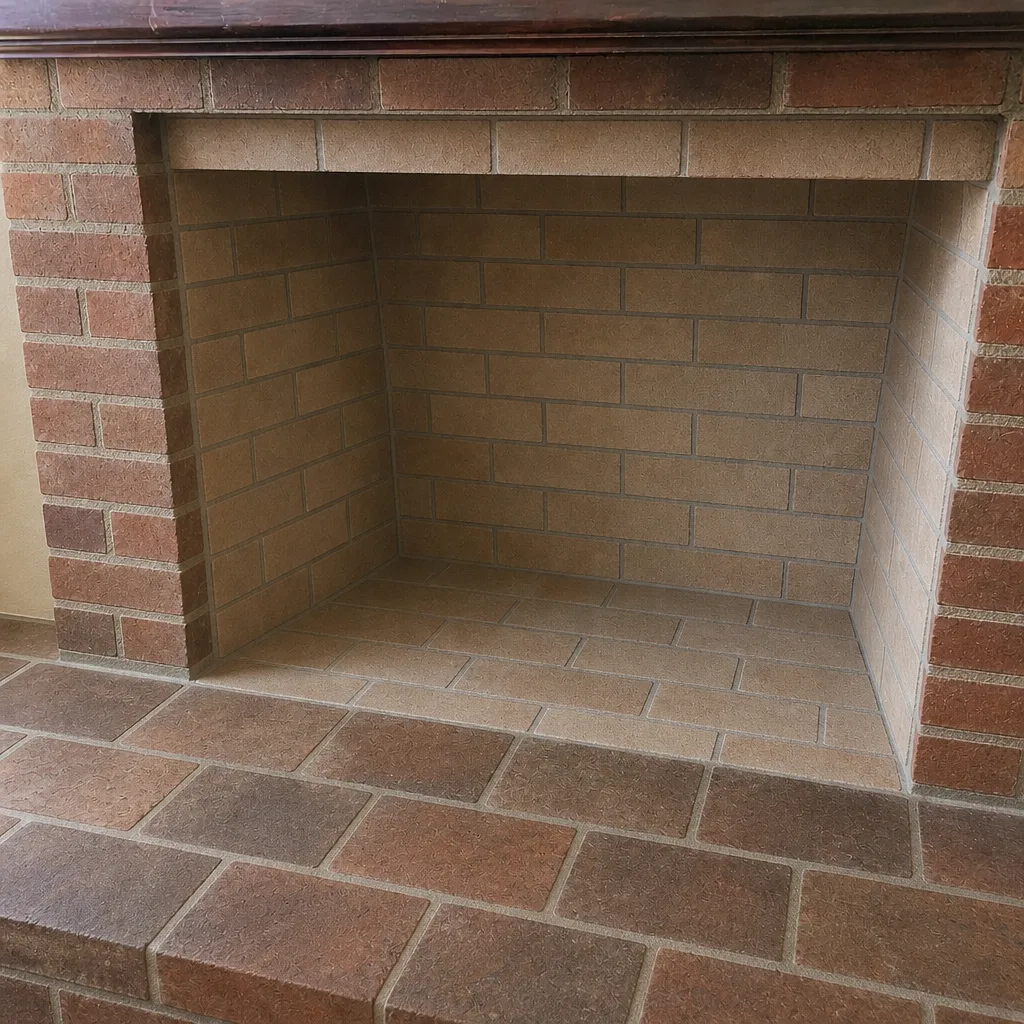
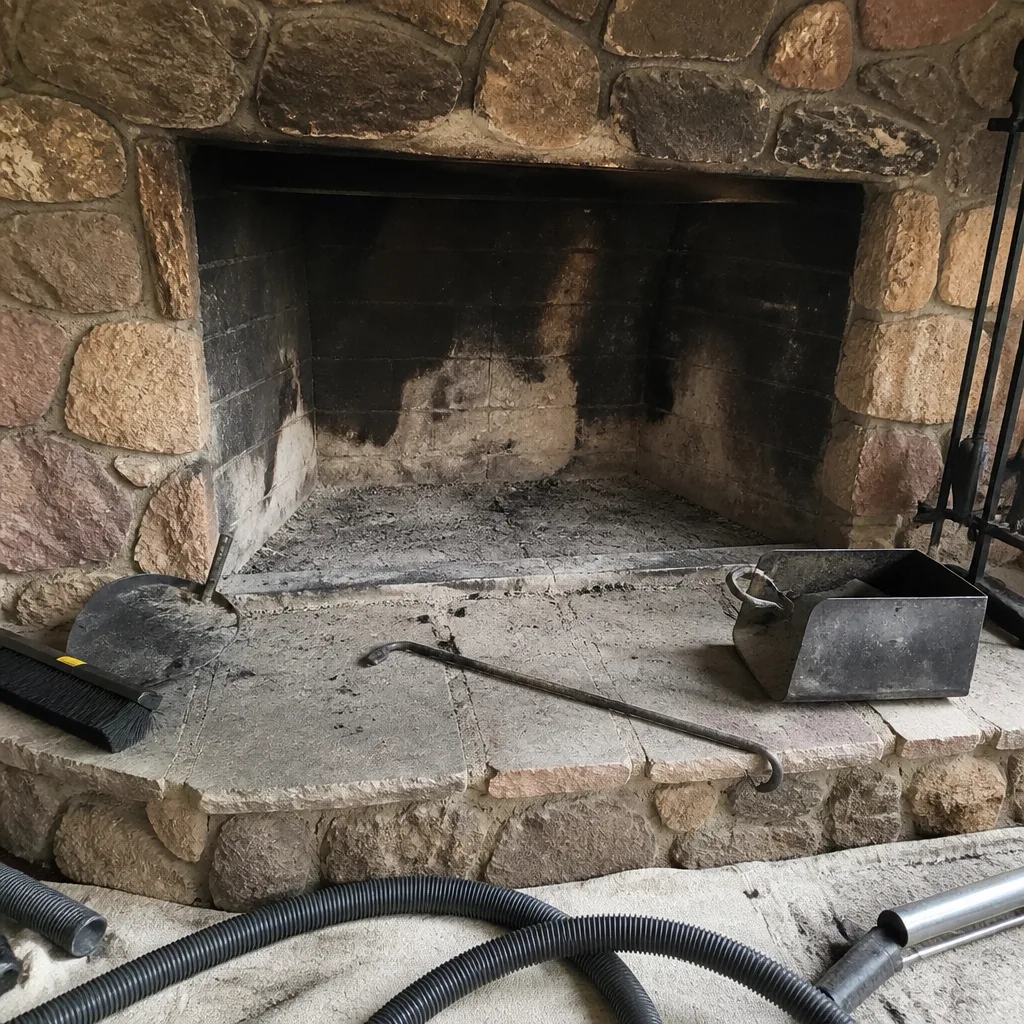
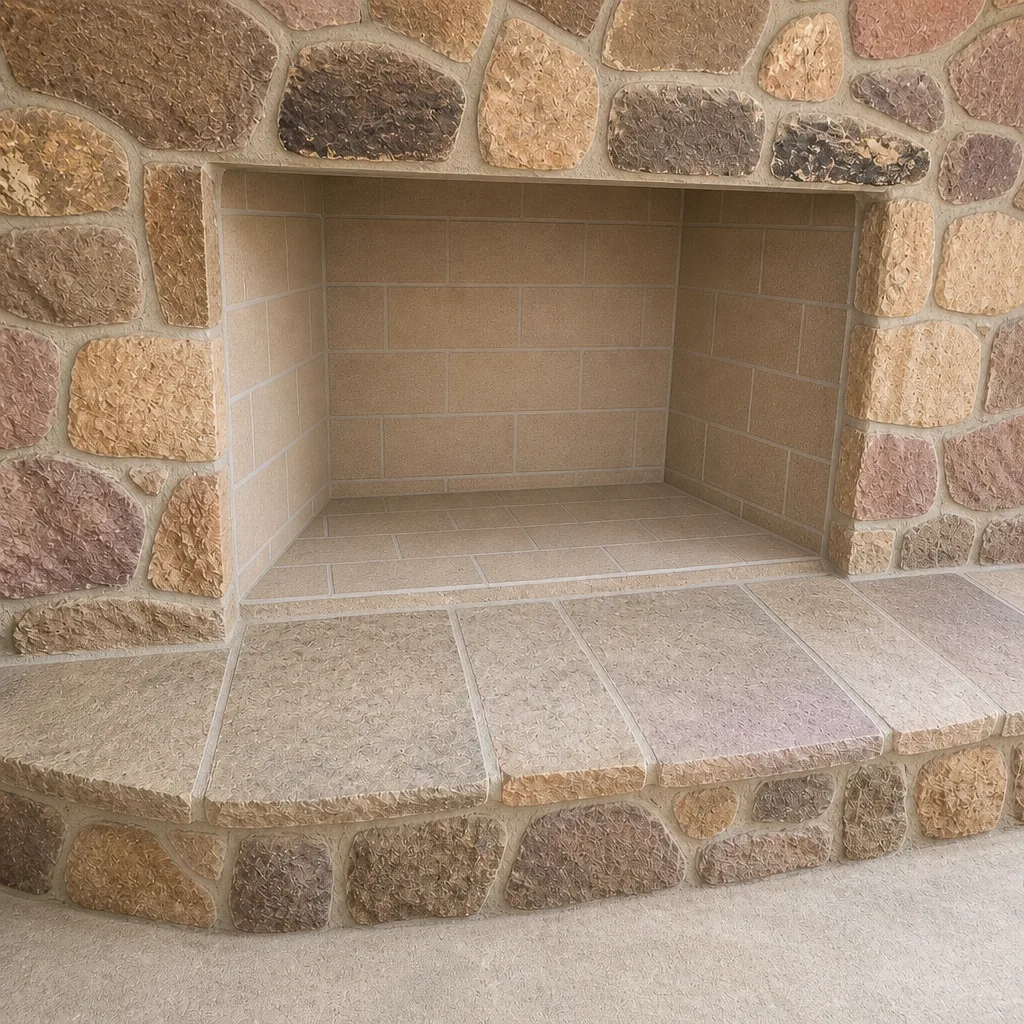
See the difference
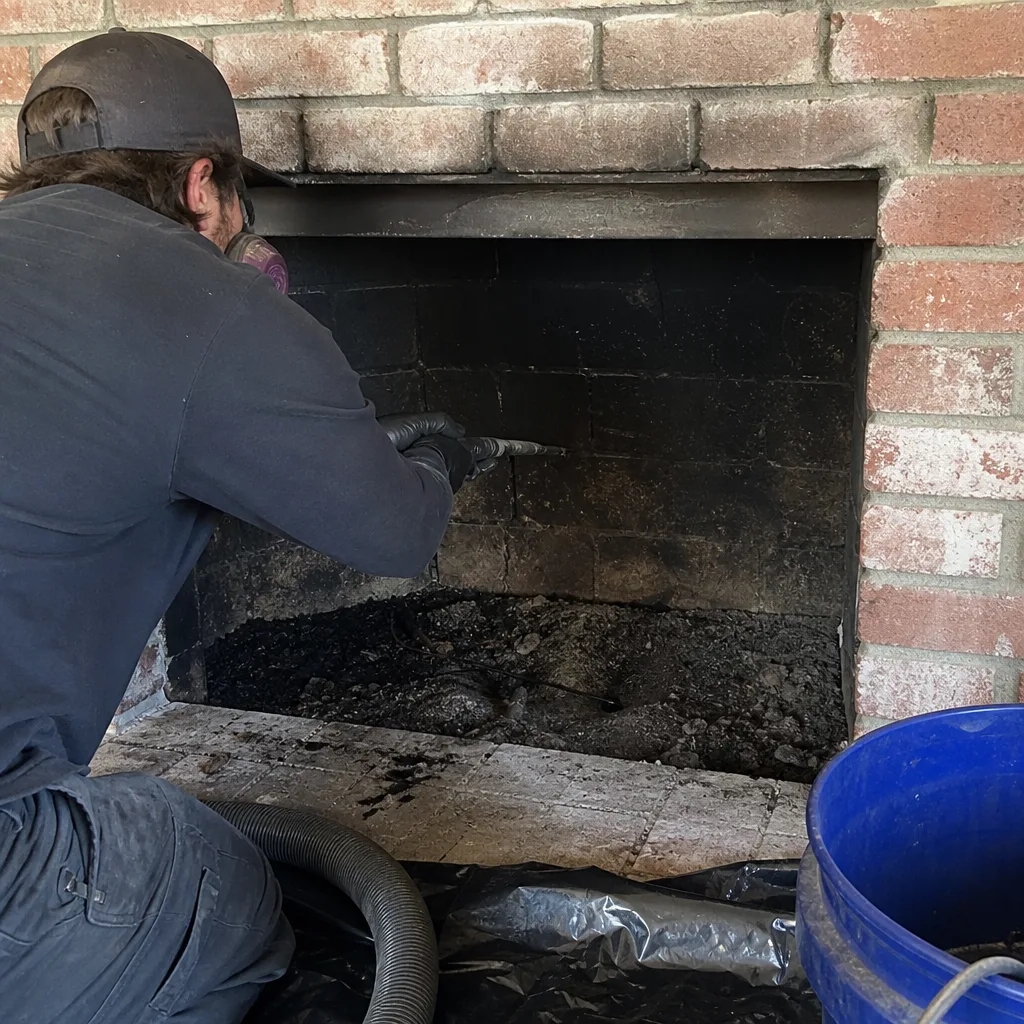 Before
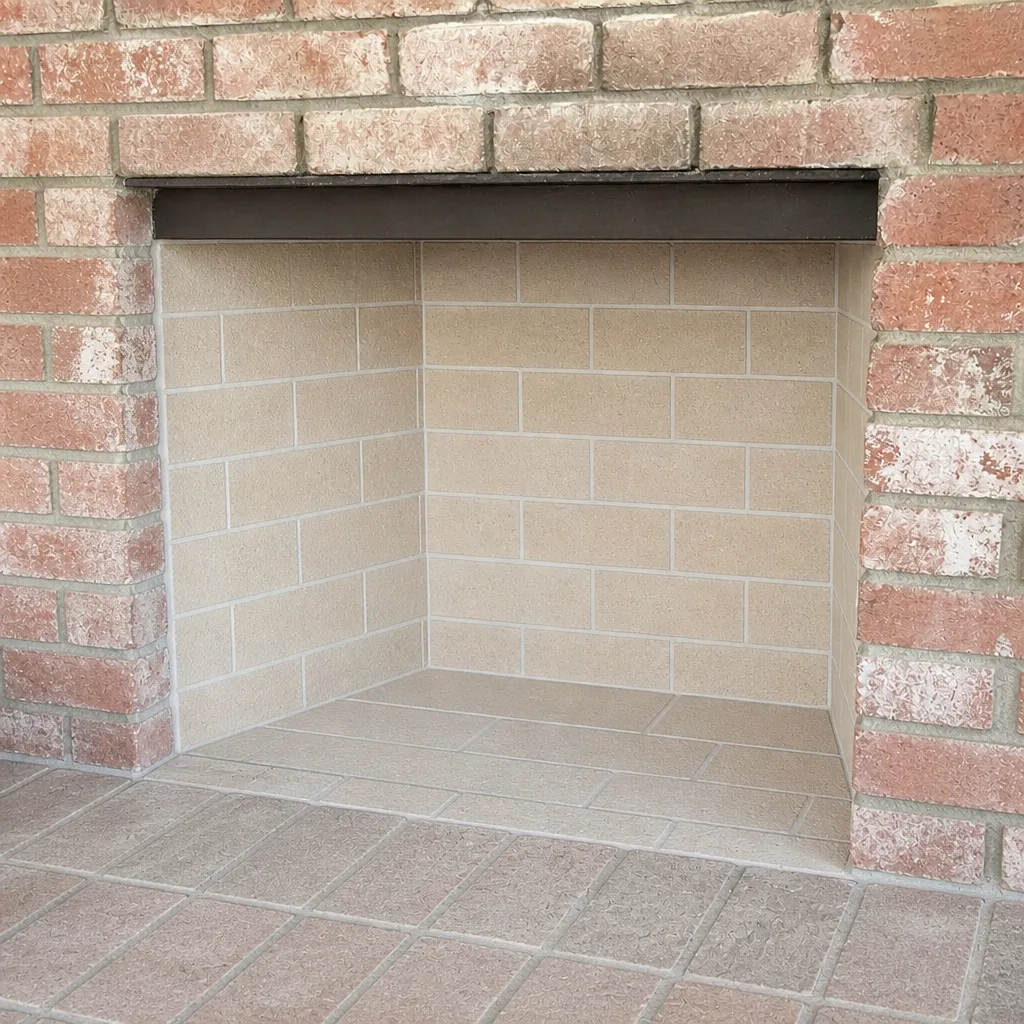 After
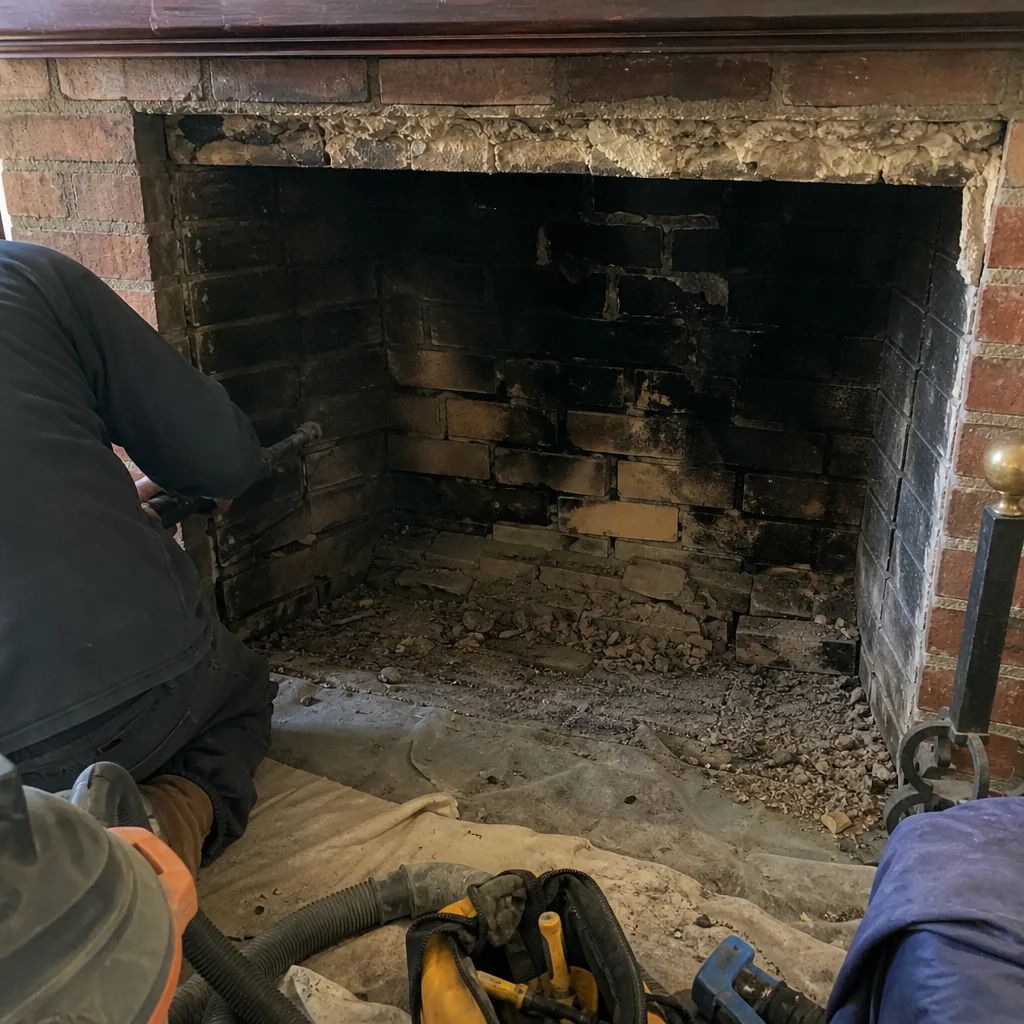 Before
 After
 Before
 After