
Last updated November 22, 2026
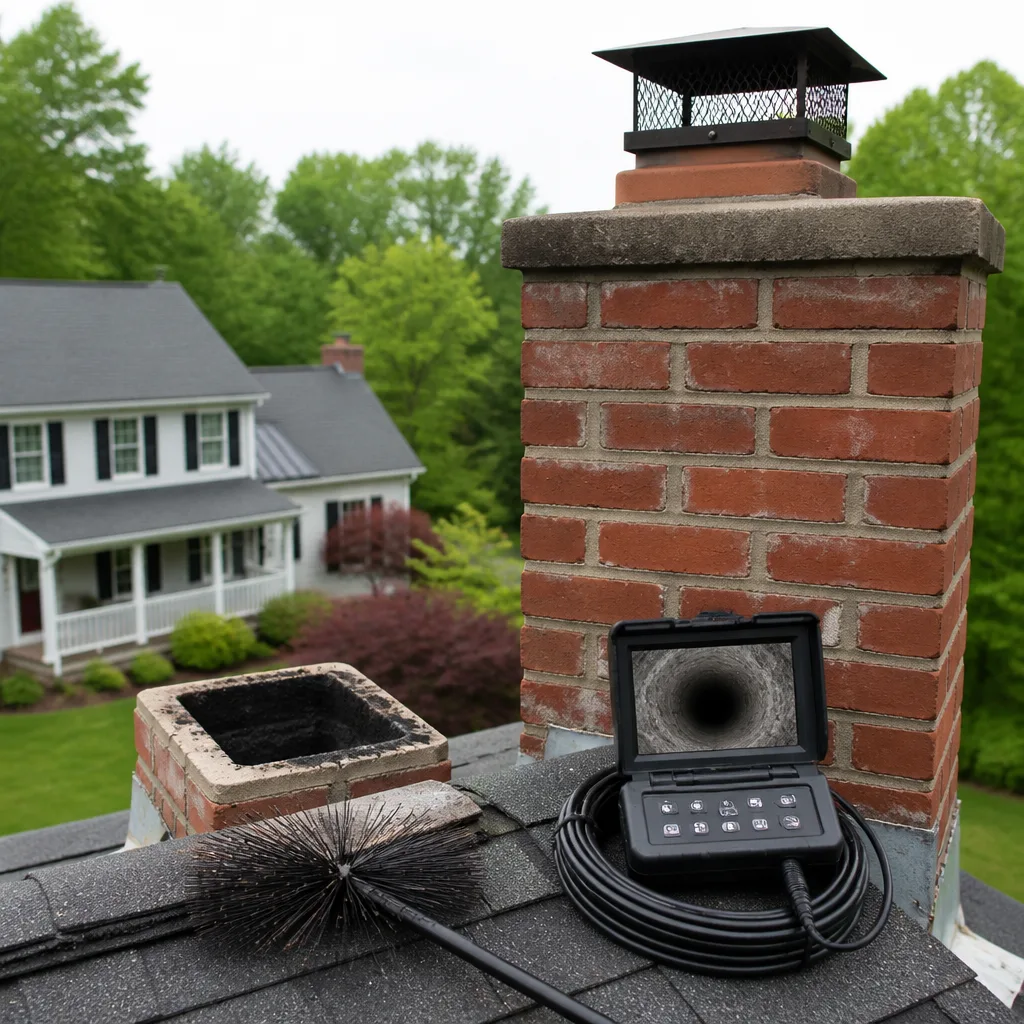 Sweep & inspection
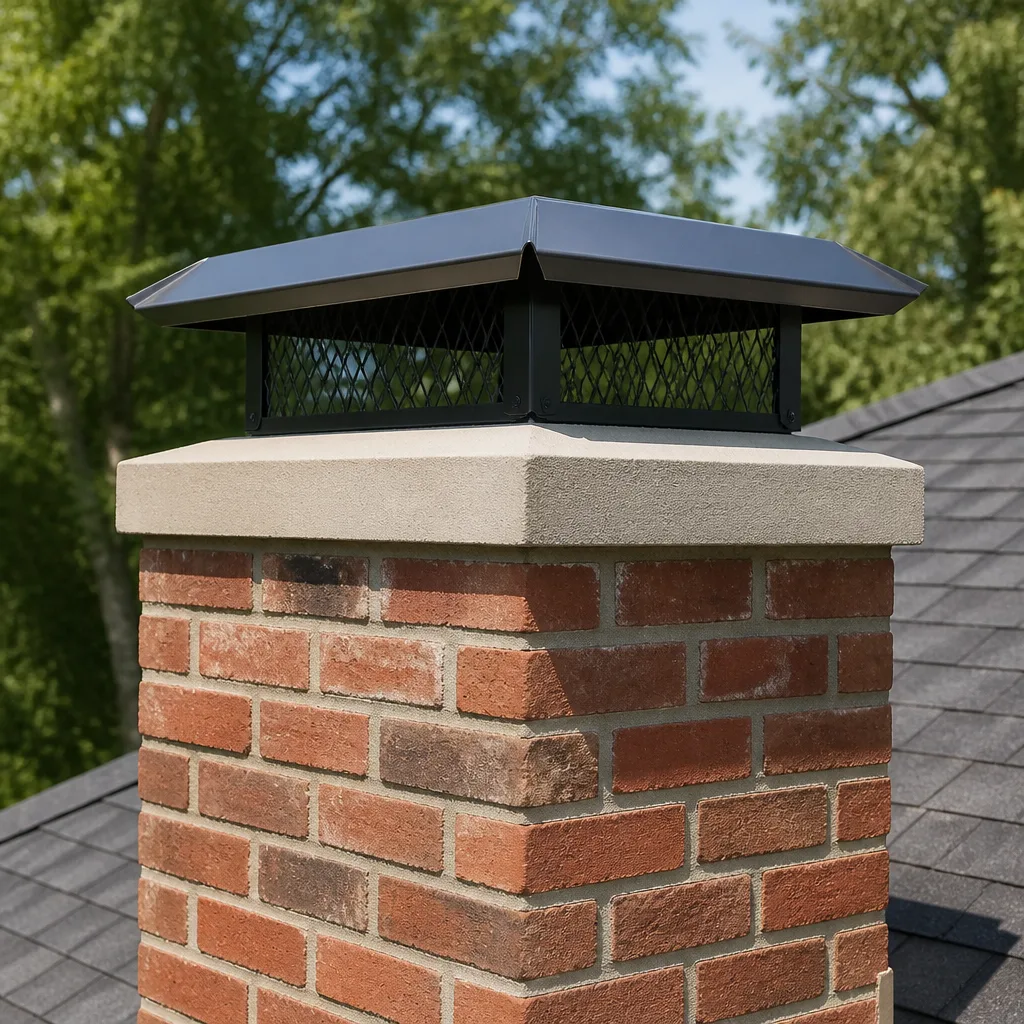 Caps & crowns
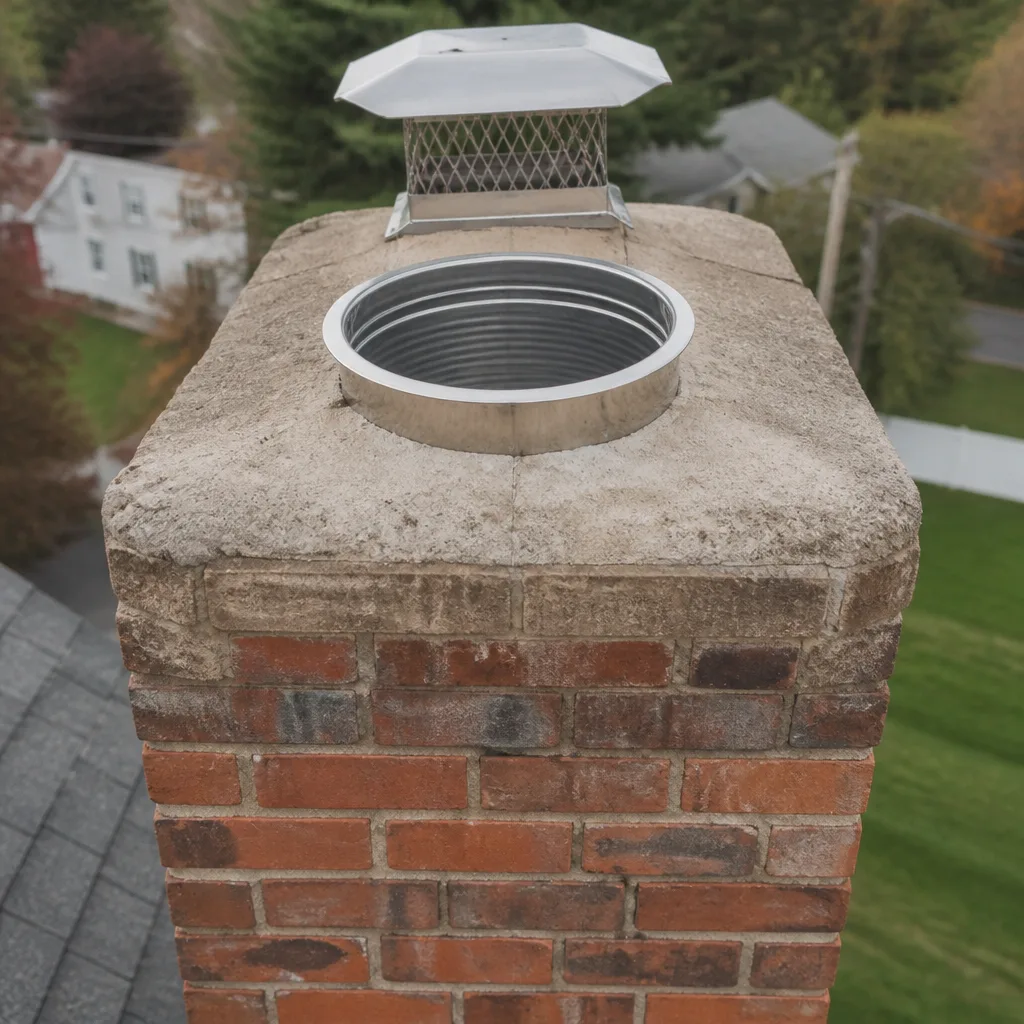 Flue relining
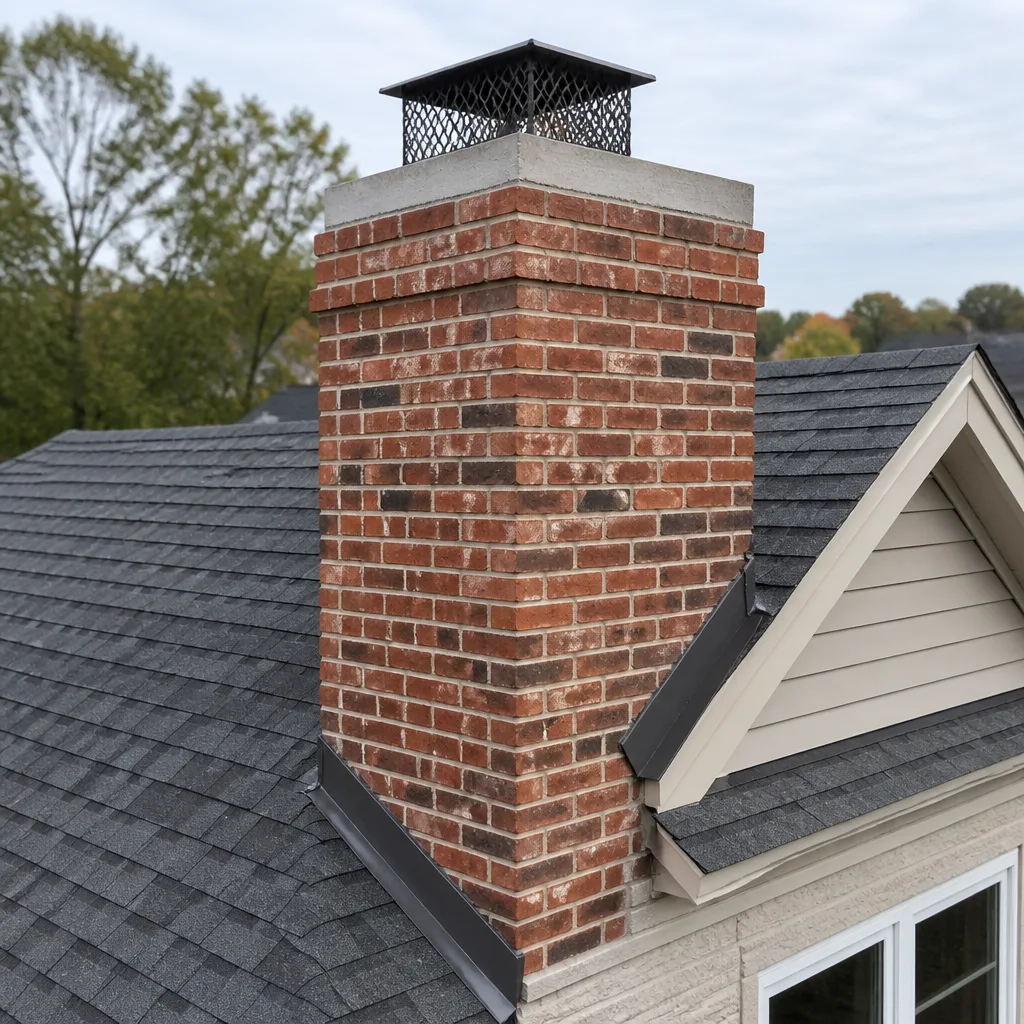 Masonry repair
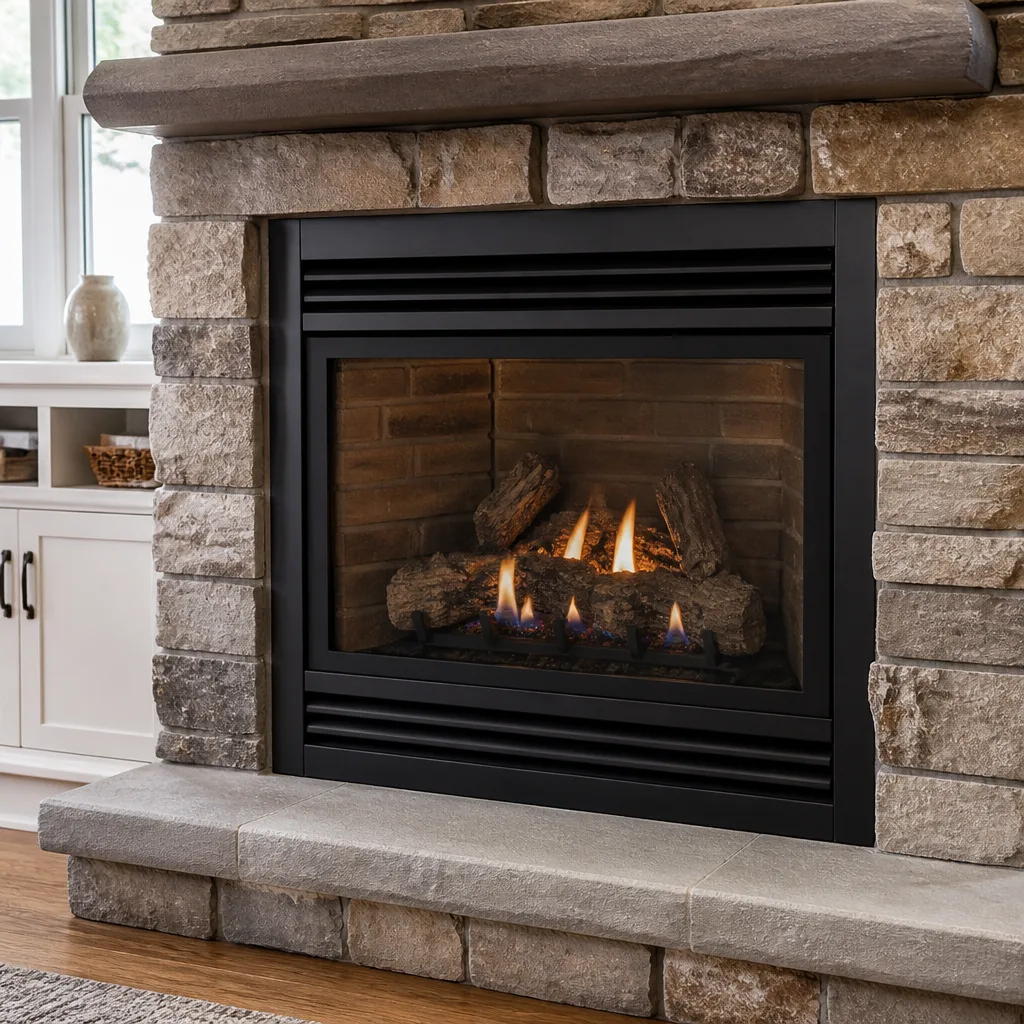 Gas fireplace service
Level 1 sweep and inspection to the NFPA 211 annual standard - flue, crown, cap, and flashing checked and photographed
Chimney sweep logs do not sweep chimneys. They loosen some creosote - which then falls where a brush and vacuum still have to collect it.
Seasonal Chimney Cleaning Care for Brentwood: Year-Round Homeowner’s Guide
Most chimney care calendars are written for places with four hard seasons, and they don’t fit Brentwood. Here, the bigger threat to a chimney cap screen isn’t rain. It’s wildfire embers. That single fact rearranges when you should inspect, what you should look for, and why the “sweep it every fall” advice you’ll find online misses half of what actually happens to chimneys in the Tri-Delta area. This guide rebuilds the calendar around dry heat, smoke intrusion, a short but intense burn season, and the temperature swings that work on mortar and masonry here. You’ll learn what each season asks of your system, how wood type and fire frequency change your cleaning interval, and when a problem can safely wait. We only do chimneys, and we do them completely, so this is the same rhythm we walk Brentwood homeowners through every year.
Styles & brands we work with
- Sweep & inspection
- Caps & crowns
- Flue relining
- Masonry repair
- Gas fireplace service
Quick Answer
In Brentwood, chimney care runs on a different clock than the national advice suggests: schedule your pre-season inspection in September before your first fire and before peak wildfire smoke season, watch for creosote even in a short burn season because cold-start fires build it faster, check for moisture intrusion and animal nesting each spring, and address closed-flue draft and odor problems in summer when valley heat bakes an idle system. How often you sweep depends less on the calendar and more on how much you burn, what you burn, and whether your fireplace runs wood or gas logs.
Table of Contents
- Why Brentwood’s Climate Rewrites the Chimney Calendar
- September: Pre-Season Inspection Before the First Fire
- Winter: A Short Burn Season Still Builds Creosote
- Spring: Moisture, Nesting Season, and Mortar Spalling
- Summer: Heat, Closed Flues, and Odor Problems
- How Often Should You Schedule Cleaning?
- Gas Logs vs. Wood: Two Different Care Rhythms
- Common Mistakes to Avoid
- When to Call a Professional
- Frequently Asked Questions
- The Bottom Line
Why Brentwood’s Climate Rewrites the Chimney Calendar
Chimney maintenance advice written for the Pacific Northwest or the Northeast assumes months of snow, freeze-thaw cycles, and long heating seasons. Brentwood doesn’t work that way. Our winters are mild, our summers push past 100°F, and the thing most likely to damage your chimney cap and screen is airborne debris from wildfire season, not weather. When you follow a calendar designed for somewhere else, you inspect at the wrong time, you look for the wrong problems, and you miss the ones that actually show up here.
What does shape chimney care in Brentwood is a specific set of local pressures:
- Dry heat and low summer humidity. An idle flue in a hot, dry valley draws odor and creates draft problems that a humid climate never produces.
- Wildfire smoke season. Smoke intrusion can enter through a damaged cap or open flue, and embers can land on and damage cap screens.
- A short but intense burn season. Because homeowners here burn in concentrated bursts rather than steadily all winter, fires tend to be cold-start fires, which produce more creosote per fire than a fire in a continuously warmed flue.
- Temperature swings. Warm days and cool nights work on mortar and masonry over time, which shows up as spalling and cracking.
The result is a maintenance rhythm that peaks twice: once in September before the first fire, and again in spring after the burn season closes. Everything between those two checkpoints is about moisture, animals, and heat. We’ve seen how this plays out across Brentwood, and the homeowners who stay ahead of it are the ones who treat the calendar as a framework rather than a fixed rule.
September: Pre-Season Inspection Before the First Fire
September is the single most important month on the Brentwood chimney calendar, because it overlaps two things: the approach of your first fire of the season and the peak of wildfire smoke season. If there’s a defect in your system, this is when you want to catch it, not on the night you light your first fire. A pre-season chimney inspection checks the full assembly, from the firebox to the crown, so you know what you’re working with before you strike a match.
Here’s what a September inspection in Brentwood should prioritize:
- Cap and screen condition. Wildfire embers and airborne debris are the leading local cause of screen damage. A torn or missing screen lets embers and wildlife in and lets smoke and odor out when you don’t want them to.
- Crown condition. The crown is the concrete cap on top of the chimney that sheds water. Cracks here are the leading cause of chimney water damage, and a September check catches them before the first rain.
- Creosote buildup in the flue. Even if you swept last spring, a summer of disuse can leave deposits from the previous season. Know what’s in there before you add to it.
- Draft and blockage. Birds, debris, and deteriorated flue tiles can block or restrict draft. A blocked flue is a carbon monoxide risk, so this is a safety check, not a convenience one.
- Damper operation. A damper that won’t open or close fully affects both draft and heat loss.
If the inspection finds a damaged cap or crown, that’s a chimney cap & crown repair, and it’s better done now than after smoke season has pushed particles through a gap. A standalone inspection here is also useful if you’re buying or selling a home in Brentwood, meeting an insurance requirement, or just want an annual safety baseline. Camera inspection and a photo report come standard, so you see exactly what we see.
Winter: A Short Burn Season Still Builds Creosote
A short burn season feels safer than a long one, but it can actually be harder on your flue. That’s counterintuitive, so it’s worth explaining. When you burn in concentrated bursts, the flue is cold at the start of each fire. A cold flue doesn’t draft as efficiently, so the fire burns cooler at first, and cooler fires produce more creosote. A homeowner in a cold climate who burns steadily all winter keeps the flue warm and may actually build less creosote per cord than someone in Brentwood who lights a fire a few nights a week and lets the flue go cold every time.
What that means in practice: don’t assume a short season means you can skip a mid-season check. If you burn regularly through the cooler months, an inspection partway through the season is worth it, especially if you notice any of these signs that creosote is building up faster than you’d expect:
- Reduced draft, so fires are harder to start or smoke rolls into the room.
- A stronger, sharper smell when the fireplace is running.
- Visible black, flaky, or glazed deposits on the flue walls (a camera inspection shows this clearly).
- Smoke backing up when you first light a fire, which often signals a cold flue or blockage.
Creosote is the fuel for chimney fires, and glazed creosote is the most dangerous form because it’s hard to remove and ignites at lower temperatures. A short but intense season still puts creosote in your flue. The safe move is to know how much is there rather than guess. If a mid-season look turns up a problem, we’ll show you the camera evidence and tell you plainly whether it can wait until spring or needs attention now.
Spring: Moisture, Nesting Season, and Mortar Spalling
Spring is when the Brentwood burn season winds down and the damage from a winter of use starts to show. It’s also when animals get busy. This is the season to look at your chimney as a structure, not just a flue, because a winter of fires combined with spring temperature swings reveals problems that summer hides.
Three things matter most in spring:
Moisture intrusion
A cracked crown, a missing cap, or deteriorated mortar joints let water into the masonry. Over time that water works its way into the flue and the surrounding structure, and it’s the leading cause of chimney water damage. Spring, after the rains, is the right time to check whether water is getting in and where.
Animal nesting season
Spring is when birds and other animals look for sheltered spots to nest, and an uncapped or damaged chimney is an attractive one. Nesting material blocks draft and is a fire risk, and animals can damage flue liners. If you have a solid cap with an intact screen, you’ve already solved most of this problem. If the screen was damaged over the winter, spring is when to fix it.
Mortar spalling from temperature swings
Warm days and cool nights put stress on mortar and masonry. Over time the surface of the brick or mortar flakes and spalls, which signals that the joints are failing. Spalling isn’t cosmetic; it’s the early sign of a structural issue that a spring inspection can catch while it’s still a small repair.
A spring inspection after the burn season closes ties all of this together. It tells you what the winter did, what the animals did, and what the temperature swings did, so you go into summer knowing your system’s condition.
Summer: Heat, Closed Flues, and Odor Problems
Summer is the season most homeowners ignore their chimney, and in Brentwood that’s a mistake. When the flue is closed up and the outside temperature climbs past 100°F, a specific set of problems appears that you won’t experience in a mild or humid climate. The heat bakes whatever creosote, soot, and moisture are inside the flue, and the result is odor and draft trouble.
Here’s what actually happens to an idle chimney in valley heat:
- Odor migration. Heat and pressure differences pull the smell of creosote and soot down into the living space, so a fireplace that was fine all winter suddenly smells in July. Homeowners often describe it as a “campfire smell” in the house during hot weather.
- Draft reversal. With the house closed up and the AC running, the pressure inside can reverse the flue’s natural draft, pulling air (and odor) downward instead of up and out.
- Moisture and mold. Any moisture trapped in the flue or firebox during the wetter months, with no fire drying it out, can support mold growth over a hot summer.
- Smoke intrusion during wildfire season. A damaged cap or screen lets smoke in from outside, and summer is when that risk is highest.
A summer cleaning and inspection addresses all of it. Removing the soot and creosote that feed the odor, confirming the cap and screen are intact before fire season peaks, and checking for moisture problems is exactly the kind of preventive work that makes the fall easier. If your firebox or fireplace needs attention, this is also a good time for fireplace repair, since the system is idle and there’s no fire schedule to work around.
How Often Should You Schedule Cleaning?
There’s no single answer, and any chimney company that gives you one without asking about your burning habits is guessing. The right cleaning interval in Brentwood depends on three things: how much you burn, what you burn, and whether your system runs wood or gas. Use this to figure out where you fall.
By fire frequency
- Occasional burning (a few fires a month in season): an annual inspection and a sweep when the inspection shows buildup is usually enough.
- Regular burning (several fires a week through the cooler months): an annual sweep at minimum, plus a mid-season check if draft or smell changes.
- Heavy burning (fires most days when it’s cool): inspect more than once a season and sweep as buildup warrants, since cold-start fires build creosote quickly.
By wood type
- Seasoned hardwood burns hotter and cleaner, producing less creosote per fire.
- Unseasoned or “green” wood burns cooler and produces more creosote, because much of the heat goes to driving off moisture. If you’re burning green wood, shorten your interval.
- Softwoods can burn hot but fast, and some produce more creosote than hardwoods. If softwood is your main fuel, check more often.
By system type
- Wood-burning fireplaces and inserts need the most attention, because they produce creosote directly.
- Gas log sets produce no creosote, so they don’t need the same sweep schedule, but they still need an inspection to check for blockages, venting problems, and debris. Gas systems still carry a carbon monoxide risk if the flue is blocked or damaged.
If you’re not sure where you fall, the honest answer is that an inspection will tell you. We measure what’s in the flue and give you a straight answer about when to come back, rather than a fixed schedule that ignores how you actually use your fireplace.
Gas Logs vs. Wood: Two Different Care Rhythms
Gas logs and wood fires are two different systems with two different maintenance rhythms, and treating them the same is one of the most common mistakes we see. A gas log set doesn’t produce creosote, so the “sweep it every year” rule doesn’t apply the same way. But that doesn’t mean it needs no care. A gas fireplace still has a flue, and that flue can be blocked by debris, animal nests, or a deteriorating liner, which turns a safe appliance into a carbon monoxide risk. Gas systems still need an annual inspection of the flue, the venting, and the firebox, even when there’s nothing to sweep.
Wood-burning systems need both: a sweep to remove creosote and an inspection to check the flue, cap, crown, and masonry. If the inspection finds a deteriorated flue liner, you don’t always need a full reline. HeatShield resurfacing can restore a deteriorating liner in some cases, which is a cost-saving repair option that many chimney companies don’t offer because it requires specific product knowledge and application skill. When a full reline is the right call, we install liners from professional-grade brands like DuraFlex and Olympia Chimney.
Whether you run gas or wood, the seasonal rhythm still applies: inspect before the season, check after it, and watch for the summer heat problems unique to a valley climate. The difference is in how much sweeping the system needs, not whether it needs attention at all.
Common Mistakes to Avoid
These are the mistakes we see most often in Brentwood, and each one has a straightforward fix.
- Following a cold-climate calendar. Advice written for the Northeast assumes a long heating season and freeze-thaw stress. Brentwood’s threat model is wildfire embers, dry heat, and cold-start creosote. Following the wrong calendar means you inspect at the wrong time and miss the right problems.
- Assuming a short burn season means you can skip a sweep. Cold-start fires build creosote faster than steady fires. A short, intense season can put more creosote in your flue than a longer, gentler one.
- Ignoring the cap and screen. In Brentwood, the cap screen takes the brunt of wildfire ember and debris damage. A torn screen lets embers and animals in and lets smoke and odor out. Inspect it before smoke season, not after.
- Treating gas logs as maintenance-free. No creosote doesn’t mean no risk. A blocked or damaged flue on a gas system is still a carbon monoxide hazard, so it still needs an annual inspection.
- Burning green or unseasoned wood to stretch your supply. It burns cooler, deposits more creosote, and shortens the interval between cleanings. Season your wood before you burn it.
- Waiting for a smell or a draft problem before booking. Odor and draft trouble are late signs. A September inspection catches problems while they’re still small repairs, before they become fire hazards or structural damage.
- Hiring whoever’s cheapest without seeing the evidence. The real hesitation with chimney work is being told you need thousands of dollars of liner or masonry work you have no way to verify. Ask for camera inspection and a photo report. Nothing should be recommended without evidence you can see for yourself.
When to Call a Professional
Some chimney problems are obvious and some are invisible, and the invisible ones are the reason to call. Call a professional if you smell a strong campfire odor in the house during hot weather, if smoke rolls into the room when you light a fire, if you see cracked or missing mortar, a damaged cap, or a loose crown, or if it’s simply been a season since your last inspection. Call immediately if you suspect a blockage, because a blocked flue is a carbon monoxide risk and shouldn’t wait. Gas log systems need an annual inspection even though they don’t need sweeping. And if you’re buying or selling a home in Brentwood, or meeting an insurance requirement, a standalone inspection gives you the documentation you need.
Brentwood Chimney Sweep offers free estimates in Brentwood. Call (866) 937-7635. We answer 24/7. Fast dispatch from 7am to 7pm, Sunday through Friday. We work from professional-grade materials from brands chimney specialists actually use, and we’ll tell you plainly when a repair can safely wait.
Frequently Asked Questions
Most Brentwood homeowners should sweep annually and inspect at least once before the burn season, but the right interval depends on how much you burn, what wood you burn, and whether your system is wood or gas. Heavy burners and anyone burning green wood should check more often. An inspection tells you exactly what’s in the flue so you’re not guessing. Call (866) 937-7635 for an exact quote, and estimates are free.
Skipping a season lets creosote accumulate, lets moisture and animals get into an unprotected flue, and lets a small cap or crown problem grow into structural water damage. In Brentwood, skipping the pre-season check also means you may start your first fire with a damaged screen or a blocked flue. The cost of a sweep is small next to the cost of a chimney fire or a reline. Call (866) 937-7635 to book before the season starts; estimates are free.
Not always. A deteriorated flue liner sometimes can be resurfaced with HeatShield rather than fully replaced, which saves money and restores the flue. Whether resurfacing is right for your flue depends on the condition found in inspection. You should never be told you need a new liner without camera evidence you can see for yourself. Call (866) 937-7635 and we’ll show you what’s in your flue; estimates are free.
A gas fireplace doesn’t produce creosote, but it still has a flue that can be blocked by debris or animal nests, and a damaged flue on a gas system is a carbon monoxide risk. Annual inspection checks the venting and the firebox even when there’s nothing to sweep. Call (866) 937-7635 to schedule an inspection; estimates are free.
In Brentwood’s summer heat, an idle flue bakes residual soot and creosote, and pressure differences pull that odor down into the house. Draft reversal with the AC running makes it worse. A summer cleaning and inspection usually solves it by removing the source of the odor. Call (866) 937-7635 and we’ll take a look; estimates are free.
Yes, and September is the right time. A pre-season inspection checks the cap, crown, flue, damper, and draft before you burn, so you start the season knowing your system’s condition. It’s also the time to catch wildfire-season screen damage before peak smoke. Call (866) 937-7635 to book; estimates are free.
The Bottom Line
Chimney care in Brentwood runs on a local rhythm, not the four-season calendar written for colder, wetter climates. The two checkpoints that matter most are September, before the first fire and before peak smoke season, and spring, after the burn season closes. In between, watch for summer odor and draft problems that valley heat creates, and don’t treat gas logs as maintenance-free. How often you sweep depends on your burning habits, your wood, and your system type. The one rule that holds for everyone: know what’s in your flue before you light a fire, and ask for camera evidence before you agree to any repair. When it’s time, we only do chimneys, and we do them completely. Call (866) 937-7635 for a free estimate. We answer 24/7. Fast dispatch from 7am to 7pm, Sunday through Friday, and closed Saturday. Our technicians have up to 12 years of experience.
Written by the team at Brentwood Chimney Sweep.
See the difference
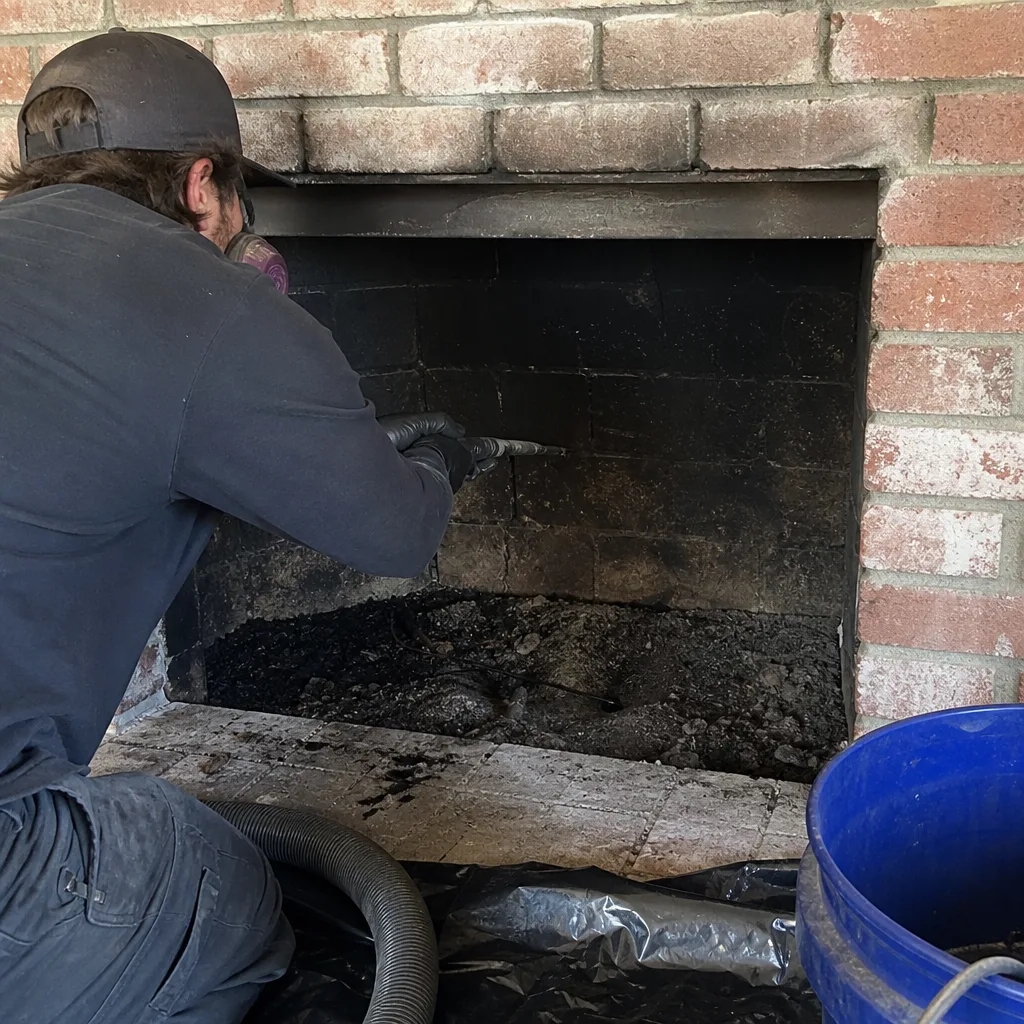 Before
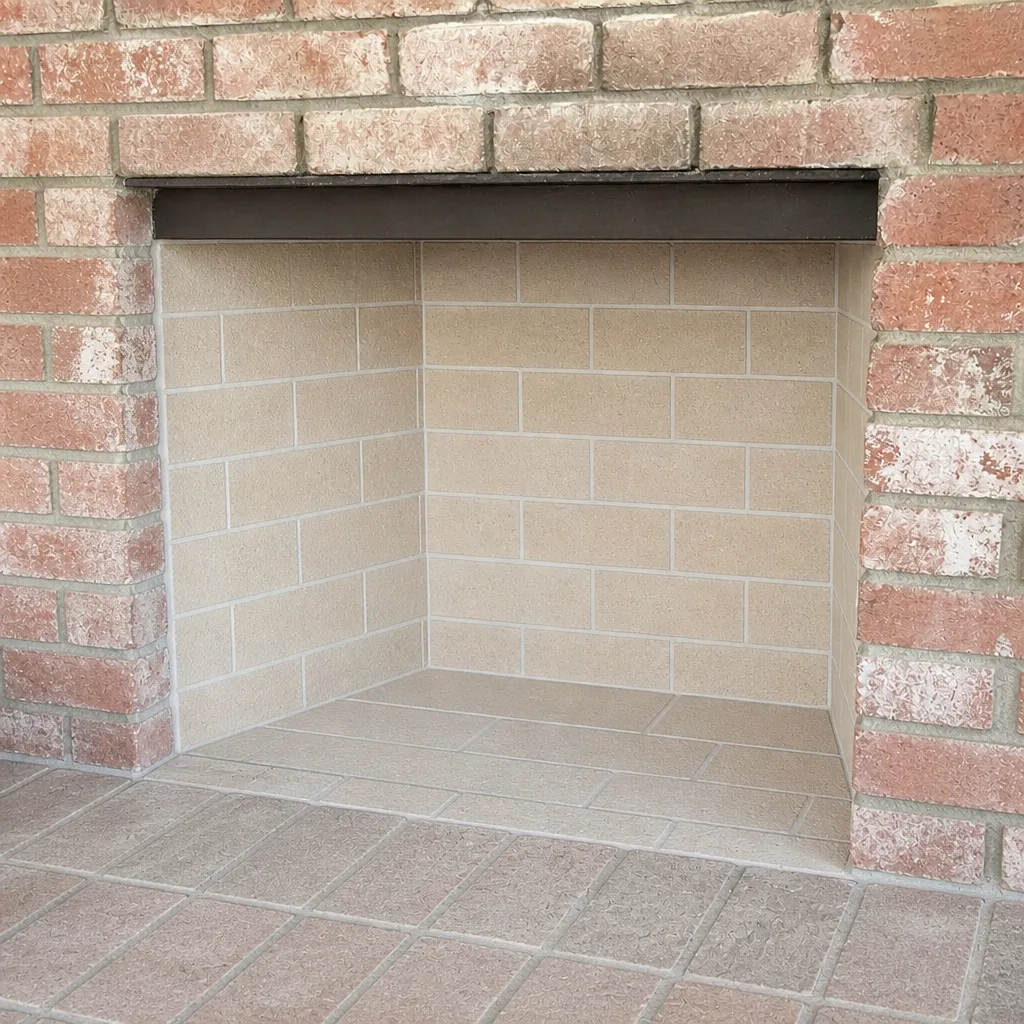 After
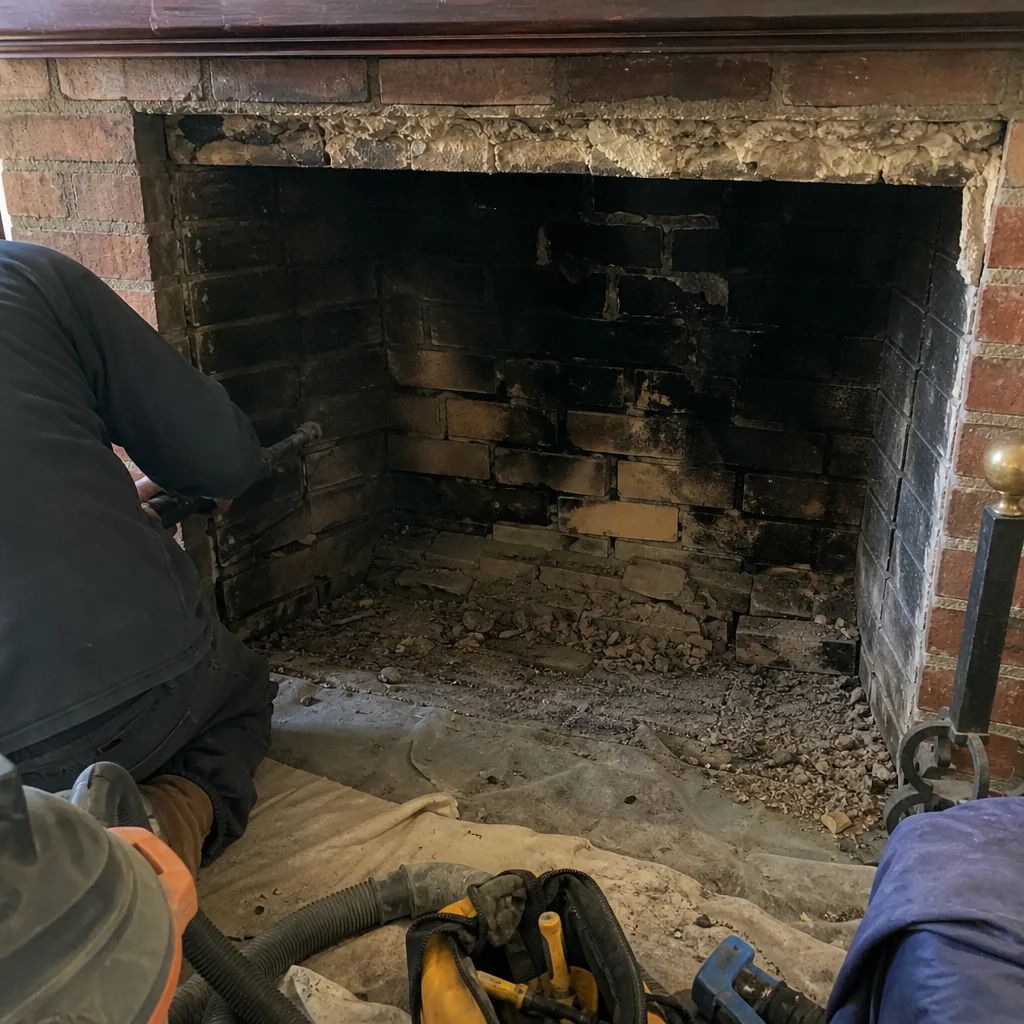 Before
 After
 Before
 After