
Last updated November 22, 2026
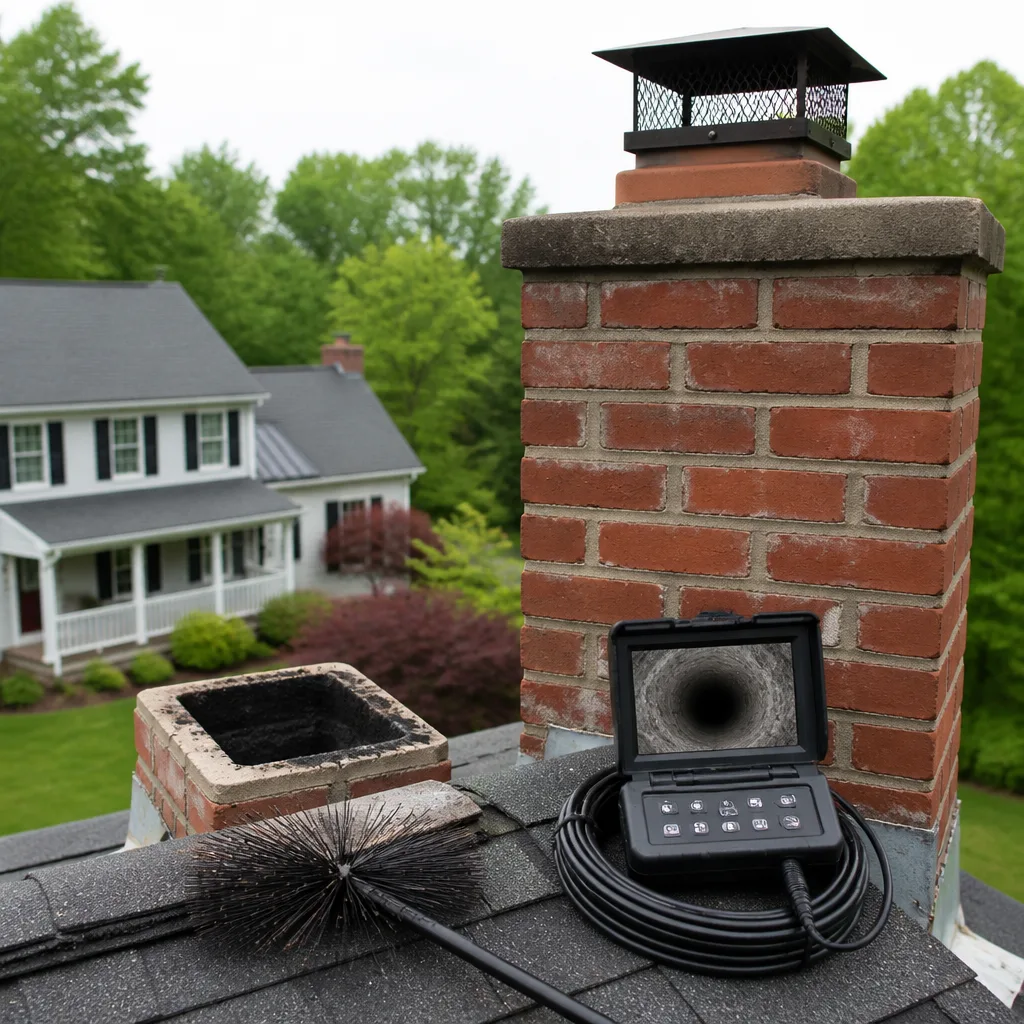 Sweep & inspection
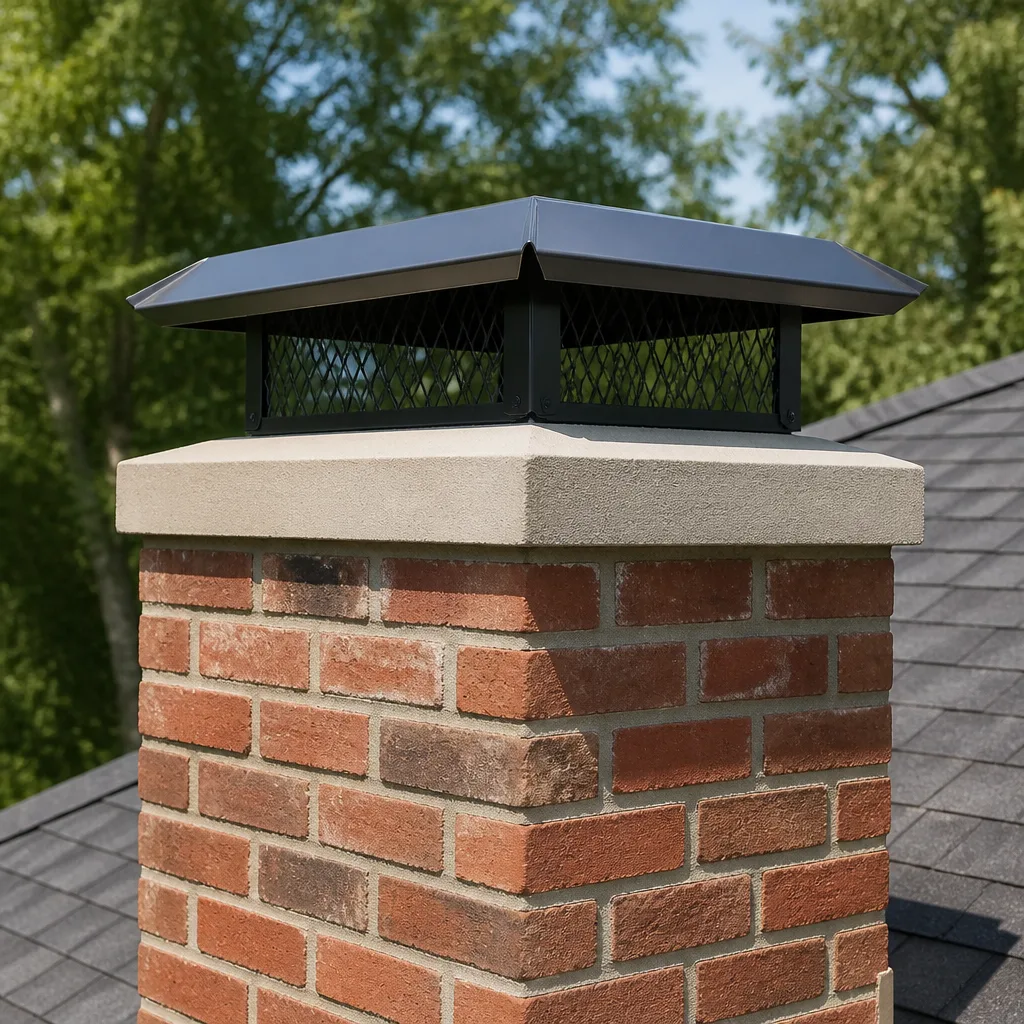 Caps & crowns
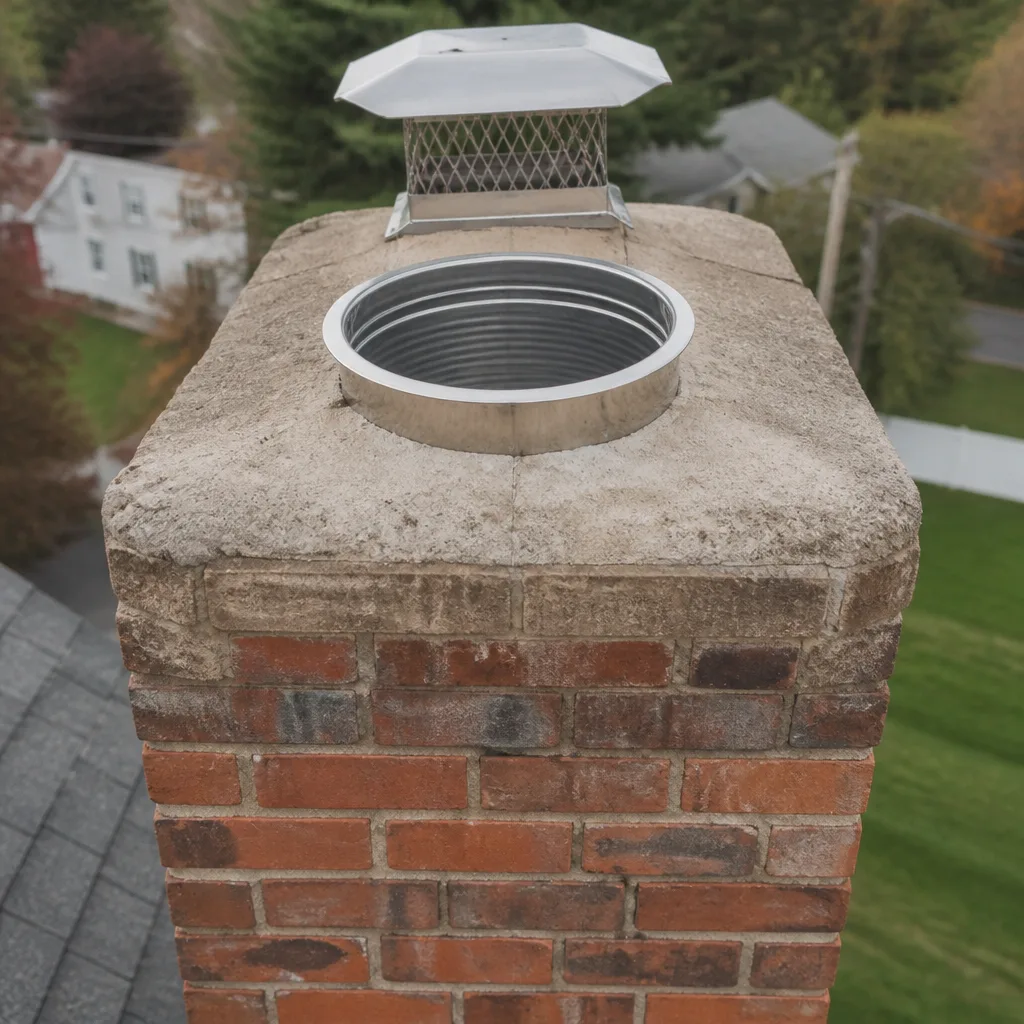 Flue relining
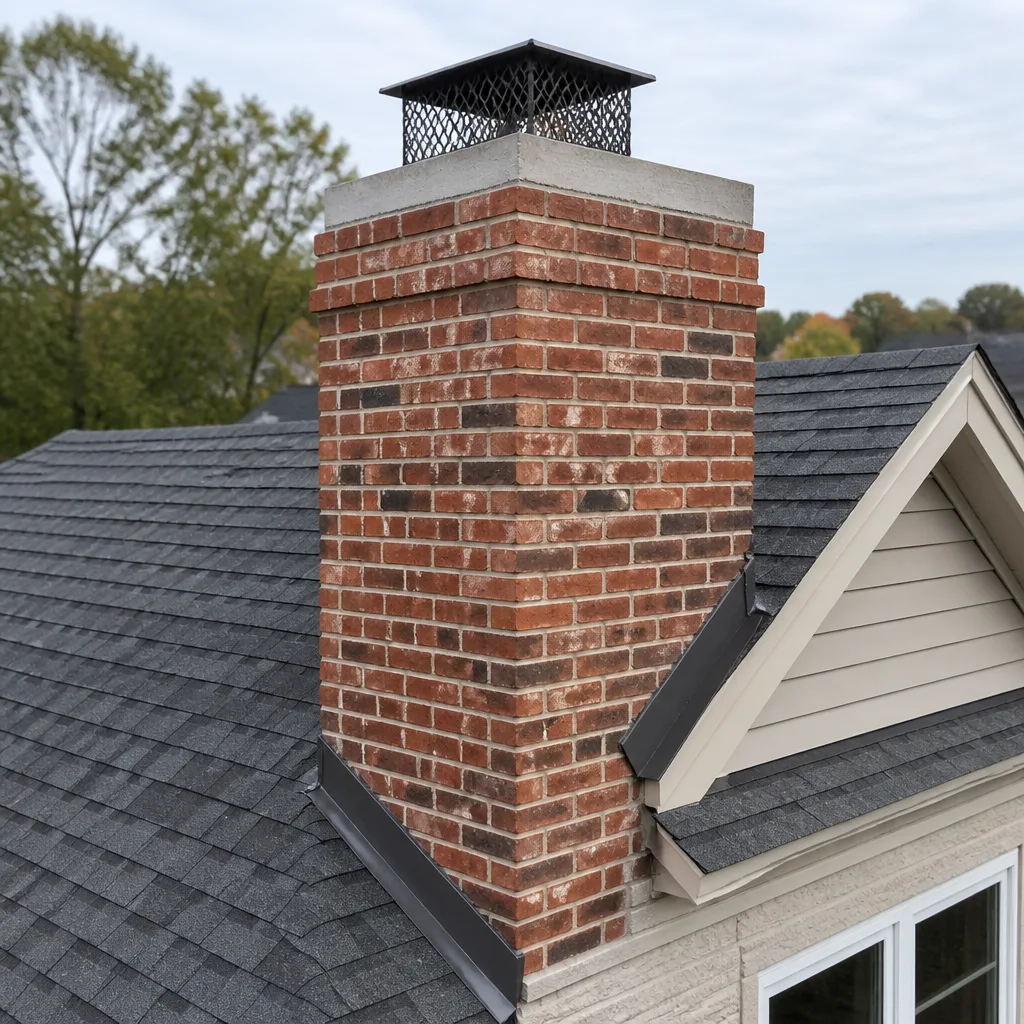 Masonry repair
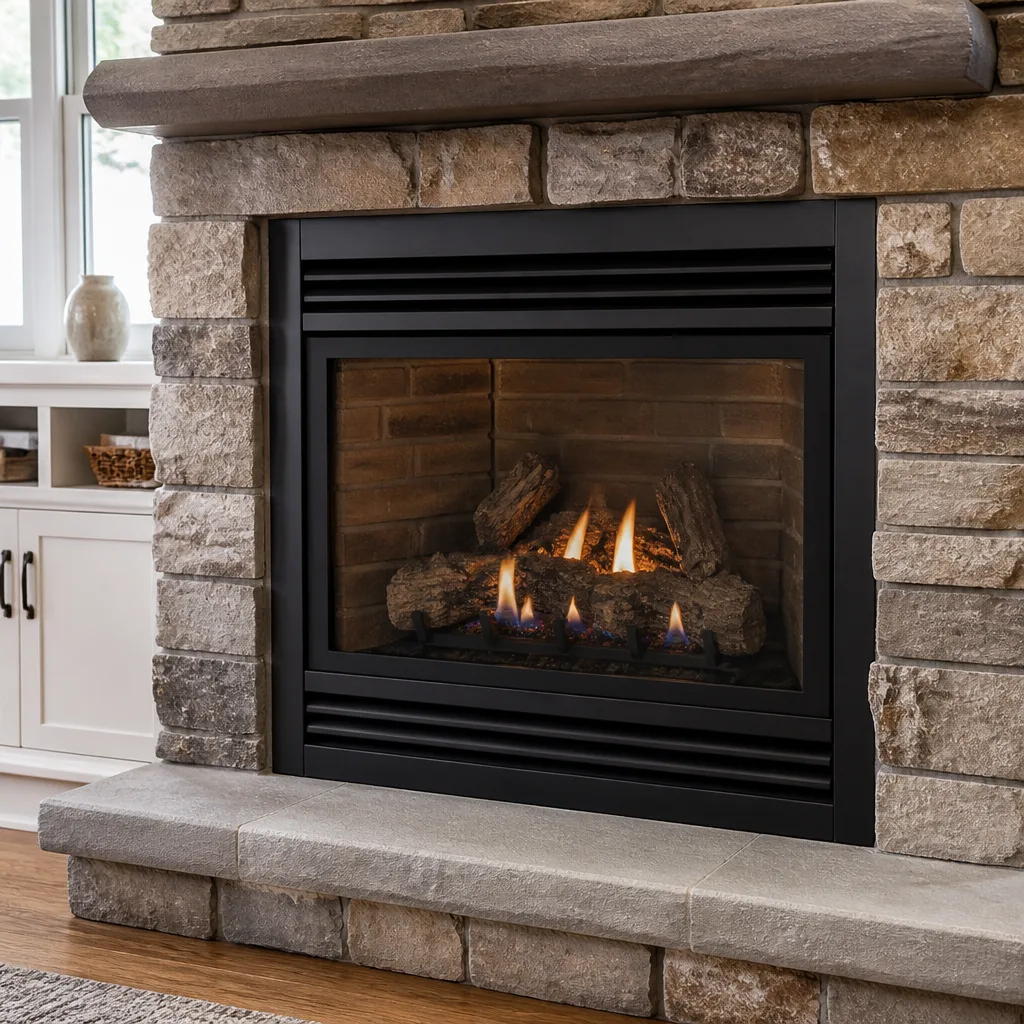 Gas fireplace service
Level 1 sweep and inspection to the NFPA 211 annual standard - flue, crown, cap, and flashing checked and photographed
Chimney sweep logs do not sweep chimneys. They loosen some creosote - which then falls where a brush and vacuum still have to collect it.
The Complete Guide to Chimney Cleaning in Brentwood
Most chimney fires don’t start in January after a heavy burn season. They start in October, on the first fire of the year, in a flue nobody checked since spring. That’s the part that surprises homeowners: the danger builds quietly over the off-season, not during the busy months. Brentwood’s climate adds its own twist to that story. Hot, dry summers followed by mild winters create a creosote profile that doesn’t match what a generic national guide describes, and the wood people burn here matters too. This guide walks through what chimney cleaning in Brentwood actually involves, what a qualified sweep should be doing, and how to tell the difference between routine maintenance and a repair that shouldn’t wait.
Quick Answer
Chimney cleaning in Brentwood means removing creosote, soot, and debris from the flue and firebox, then inspecting the whole system for damage before the next burn season. A proper cleaning includes a Level 1 inspection, and it should be handled by a chimney specialist rather than a general handyman. Typical cleaning costs in the Brentwood area run from around $150 to $350 for a standard wood-burning fireplace, though the written estimate is what sets the final price.
Styles & brands we work with
- Sweep & inspection
- Caps & crowns
- Flue relining
- Masonry repair
- Gas fireplace service
Table of Contents
- Why Chimney Cleaning in Brentwood Isn’t a Generic Job
- How Brentwood’s Dry Summers Affect Creosote Staging
- What a Full-Service Cleaning Includes vs. a Surface-Only Sweep
- The Level 1 Inspection: What It Covers and Why It Matters
- Why Oak and Almond Wood Produce Denser Creosote
- How a Professional Cleaning Actually Works
- Red Flags That Turn a Cleaning Into a Repair Consultation
- What Chimney Cleaning Costs in Brentwood
Why Chimney Cleaning in Brentwood Isn’t a Generic Job
Chimney cleaning advice written for New England or the Pacific Northwest assumes a lot of things that don’t apply here. Cold, wet winters. Heavy snow loads. Constant freeze and thaw. Brentwood gets none of that in the same way. Winters are mild, and the real challenge is the long, hot, dry stretch from late spring through early fall. That seasonal pattern changes how creosote forms, how much of it builds up between cleanings, and what a sweep should be looking for when stepping into a Brentwood home.
The other local factor is burning habits. Many Brentwood homeowners burn in shorter, hotter bursts during the mild winter rather than keeping a fire going for months. That pattern produces a different creosote character than a slow, smoldering burn. Neither is inherently safer. Both just need to be understood before anyone picks up a brush.
There’s also the housing stock. Neighborhoods like Deer Ridge and Shadow Lakes have homes with wood-burning fireplaces that have been in regular use for years, sometimes without a documented cleaning schedule. Older parts of town near downtown Brentwood often have fireplaces that predate modern liner standards. A chimney specialist working in Brentwood learns to read those conditions quickly.
If you’re in one of those neighborhoods and haven’t had the flue checked recently, it’s worth booking a chimney sweep before the next burn season rather than guessing from the fireplace side.
How Brentwood’s Dry Summers Affect Creosote Staging
Creosote comes in stages, and the stage matters more than the amount. Stage 1 is sooty and flaky, easily brushed away. Stage 2 is the sticky, hardened glaze that clings to the flue walls and is where most chimney fire risk actually lives. Stage 3 is a dense, tar-like coat that’s genuinely difficult to remove and often signals a system that’s been neglected for a while.
Here’s the Brentwood-specific piece: dry, hot summers create conditions where creosote doesn’t get the moisture that would otherwise cause it to slough off or degrade. It hardens in place. That means a flue that only had light stage 1 buildup going into spring can carry harder, more stubborn deposits into fall if it wasn’t cleaned before the burn season ended. Homeowners in Brentwood often assume a spring cleaning is optional because the fire isn’t in use. In practice, that spring cleaning is what prevents stage 2 from setting in.
Stage 2 buildup is more common in Brentwood than most homeowners expect. It’s not a sign of neglect in every case. It’s a sign that the burning conditions here, combined with the wood selection, favor glazed deposits. When we encounter stage 2 during a cleaning, the conversation shifts from “we’ll brush this out” to “let’s look at what’s causing this and whether resurfacing makes sense.”
What determines creosote stage:
- Burn temperature – cool, smoldering fires deposit more glaze than hot, efficient fires.
- Wood dryness – wet or unseasoned wood produces more of the compounds that form stage 2 creosote.
- Time between cleanings – the longer deposits sit, the more they harden.
- Flue temperature and draft – a flue that runs cool builds glaze faster.
None of these are unique to Brentwood. What’s unique is how they combine here with the extended off-season. A flue cleaned in Brentwood in late spring is a flue that doesn’t have to fight hardened deposits in October.
What a Full-Service Cleaning Includes vs. a Surface-Only Sweep
The word “cleaning” gets used loosely. Two companies can both say they cleaned a chimney and mean very different things. This is one of the biggest gaps we see when following up on work done by someone who treated the job as a quick brush-and-go. Knowing the difference before you book is worth five minutes of your time.
Surface-only sweep
- Brushes the firebox and the accessible lower portion of the flue.
- Often done with a single rod-and-brush setup.
- Little or no inspection beyond a visual glance.
- May leave higher flue deposits and hidden damage unaddressed.
Full-service cleaning
- Rods and brushes reach the full length of the flue, matched to the flue’s shape and material.
- Uses a dual-line system where appropriate, which combines rotary brushing with a separate vacuum line to capture dust before it enters the living space.
- Vacuum containment throughout the job, with floor protection and a sealed work area.
- Includes a Level 1 inspection of the firebox, damper, flue, and visible exterior components.
- Ends with a written summary of findings, so you know what was found and what it means.
Rod-and-brush is still the right method for many flues. It’s not outdated. The difference is whether it’s applied to the full run of the flue with proper containment and inspection on the back end. A dual-line system is what makes full-length cleaning practical for flues with tougher deposits, especially when stage 2 creosote is involved. If you’re comparing quotes and one is dramatically cheaper, ask what method is being used and whether a Level 1 inspection is included. That answer tells you what you’re actually buying.
For more on how a calibrated sweep should be scoped and priced before you commit, see our Brentwood Chimney Sweep page.
The Level 1 Inspection: What It Covers and Why It Matters
A Level 1 inspection is the standard inspection performed during a routine cleaning. It’s a visual, non-invasive assessment of all accessible portions of the chimney: the firebox, the damper, the smoke chamber, the flue interior, and the visible exterior components like the cap and the crown. It doesn’t require removing any part of the chimney or using special tools beyond a camera and a flashlight.
What it legally covers matters. A Level 1 inspection tells you the condition of the chimney as it’s currently installed and as it can be seen without disassembly. It doesn’t tell you what’s behind a wall, and it doesn’t guarantee the system is code-compliant if the code has changed since installation. Those would require more involved inspection levels.
For most Brentwood homeowners burning a wood fireplace seasonally, Level 1 is the right scope for an annual inspection. It’s also a common requirement during a real estate transaction or when an insurer asks for documentation of the chimney’s condition. Brentwood Chimney Sweep offers standalone inspections for those situations, separate from a cleaning if that’s all that’s needed.
What a Level 1 inspection does:
- Verifies the flue is clear and unobstructed.
- Checks the firebox for cracks, deteriorated mortar, or gaps.
- Examines the damper for proper operation and seal.
- Looks at the smoke chamber for creosote glaze or damage.
- Inspects the chimney cap and crown from the roof or a camera view.
- Notes any visible cracks in the flue liner, whether tile or metal.
- Documents findings so you have a record for insurance or future maintenance.
A cleaning without an inspection isn’t complete. If a company sweeps the flue and leaves without telling you what they saw, you’ve had half the job.
Why Oak and Almond Wood Produce Denser Creosote
What you burn matters as much as how often you clean. In the Central Valley, oak is the default firewood, and almond wood is common wherever orchard wood is available. Both are dense hardwoods with high heat output, and both are worth understanding if you’re burning them in a Brentwood fireplace.
Dense hardwoods produce more creosote by weight than softwoods because of how the combustion chemistry works. Hardwood creosote tends to be denser and more likely to form the hardened glaze associated with stage 2. Softwoods produce more creosote by volume in some cases, but often in a flakier form. The key detail for Brentwood homeowners is dryness. Oak and almond burn cleanly only when properly seasoned, typically for a year or more. Burn them before they’re ready and the creosote that forms is heavier and stickier.
Getting the most out of your wood:
- Season oak and almond for at least a year before burning.
- Split wood so the interior dries faster, and stack it with air gaps.
- Keep the woodpile covered but not sealed, so it can breathe.
- Skip green wood and skip any wood that smells damp or has visible moss.
- Follow your usual practice of not burning trash, paper with ink, or any treated wood.
None of this means oak or almond is unsafe to burn. It means a Brentwood flue running on these woods deserves a cleaning schedule built around them, not a generic “once a year if you remember” approach.
How a Professional Cleaning Actually Works
The best way to know what you’re paying for is to know what the job should look like from the moment the technician walks in. Here’s how a proper cleaning should go in a Brentwood home.
- Setup. The work area is sealed off with drop cloths and a vacuum is connected before any brushing starts. Dust that escapes a poorly set-up job ends up on your furniture, so containment comes first.
- Firebox and damper check. The technician inspects the firebox for cracks and checks that the damper opens and closes properly before going up the flue.
- Flue cleaning. Rods and brushes, or a rotary dual-line system for tougher deposits, are run the full length of the flue. The brush type matches the flue lining, which matters for both tile and metal liners.
- Smoke chamber and shelf. This is above the damper and is often where creosote hides that a surface-only sweep misses.
- Debris removal. Soot, creosote flakes, and any bird or animal debris are removed from the firebox and the smoke shelf.
- Level 1 inspection. The technician inspects the firebox, damper, flue, and visible exterior components, then shows you what was found.
- Written summary. You should leave the appointment knowing the condition of your chimney in plain language, not just a receipt.
When the cleaning is done, you should be able to see the before-and-after and understand what condition your flue is in. If a technician can’t show you, that’s a problem regardless of how the fireplace looks from the living room.
Red Flags That Turn a Cleaning Into a Repair Consultation
Not every cleaning ends with a cleaning. Occasionally the job reveals something that needs attention before the system is safe to use. Knowing these red flags helps you understand when a technician is pointing at something real, and when a second opinion might be worth getting.
Red flags that need repair attention:
- Cracked or missing flue tiles – breaks the barrier between the flue and the surrounding structure, and needs to be addressed before the next fire.
- Stage 3 creosote glaze – dense and tar-like, and usually means the flue needs resurfacing or relining rather than another brushing.
- Deteriorated firebox mortar – cracks in the firebox can let heat reach the structure behind it.
- A damaged or missing cap or crown – water and animals get in, and the damage compounds from the top down.
- Rusted or separated metal liner seams – a failure point on older metal liners that a camera can spot and a glance cannot.
- Visible smoke or draft issues – backdraft, poor draw, or smoke in the room during a fire often indicates a flue or cap problem.
- Water staining inside the chimney or on the ceiling near the flue – usually tied to crown or flashing failures.
When a cleaning reveals one of these, the right move is to talk through options in the same visit rather than schedule a separate appointment for the diagnosis. That’s why a chimney-only company matters here: the person finding the problem is also qualified to fix it, including liner resurfacing with HeatShield when a full reline isn’t necessary. No second contractor, no handoff, no repeating the whole story twice.
If your cap or crown is the issue, that’s a good moment to look at our chimney cap & crown service. For structural damage inside the firebox or liner, our fireplace repair page covers what the repair process looks like.
What Chimney Cleaning Costs in Brentwood
Chimney cleaning prices in Brentwood depend on the type of appliance, its condition, and whether the job turns into more than a cleaning. The table below shows the typical estimated ranges for the most common jobs. These are guides, not quotes. The written estimate we provide before booking is what sets the final price.
| Service | Typical estimated range | Notes |
|---|---|---|
| Standard wood-burning fireplace cleaning (with Level 1 inspection) | $150 – $350 | Standard flue, moderate buildup, no significant repairs |
| Fireplace cleaning with heavier creosote (stage 2) | $250 – $450 | May require rotary dual-line cleaning |
| Standalone Level 1 inspection | $100 – $200 | Common for real estate transactions and insurance documentation |
| Chimney cap installation | $150 – $400 | Varies with cap style and chimney size |
| Crown repair or rebuild | $350 – $1,200 | Larger jobs depend on the extent of damage |
| Flue resurfacing (HeatShield) | $1,200 – $3,000 | When a full reline isn’t necessary |
| Full liner replacement | $2,500 – $6,500 | Depends on flue length and material |
These ranges reflect what we see in the Brentwood market. Homes with multiple flues, or older construction, can run higher. A free estimate before any work begins means you know the number before the technician picks up a brush. If someone quotes a full reline without showing you camera footage or a physical issue you can see, get a second opinion. Nothing is ever recommended in a chimney we can’t show you.
Common Mistakes to Avoid
- Skipping the annual cleaning because the fire “looked fine.” You can’t see creosote from the living room, and a flue that looks clear at the firebox can have heavy buildup higher up. In Brentwood’s dry climate, that buildup hardens in place over the off-season.
- Hiring a general handyman for a chimney job. A generalist may brush a flue but won’t have the training, tools, or knowledge to spot liner damage or stage 2 creosote that a specialist catches on the same visit.
- Buying a cleaning and declining the inspection. The Level 1 inspection is half the value. Skipping it is like getting an oil change and refusing to look at the brakes.
- Burning unseasoned oak or almond wood. Common in the Central Valley, and the single biggest driver of sticky creosote in a Brentwood flue. Season your wood and store it properly.
- Ignoring a missing or damaged cap. The cap is the first line of defense against water, birds, and debris. It’s also one of the cheapest repairs to make before a small problem becomes a liner or firebox repair.
- Assuming a spring cleaning is optional. Spring is when the flue sits idle and deposits harden. Cleaning right after the burn season ends is when the next fire is safest.
- Accepting a “reline” quote without seeing evidence. A liner recommendation without camera footage or a visible defect is not a diagnosis. Any reputable specialist can show you what they’re seeing.
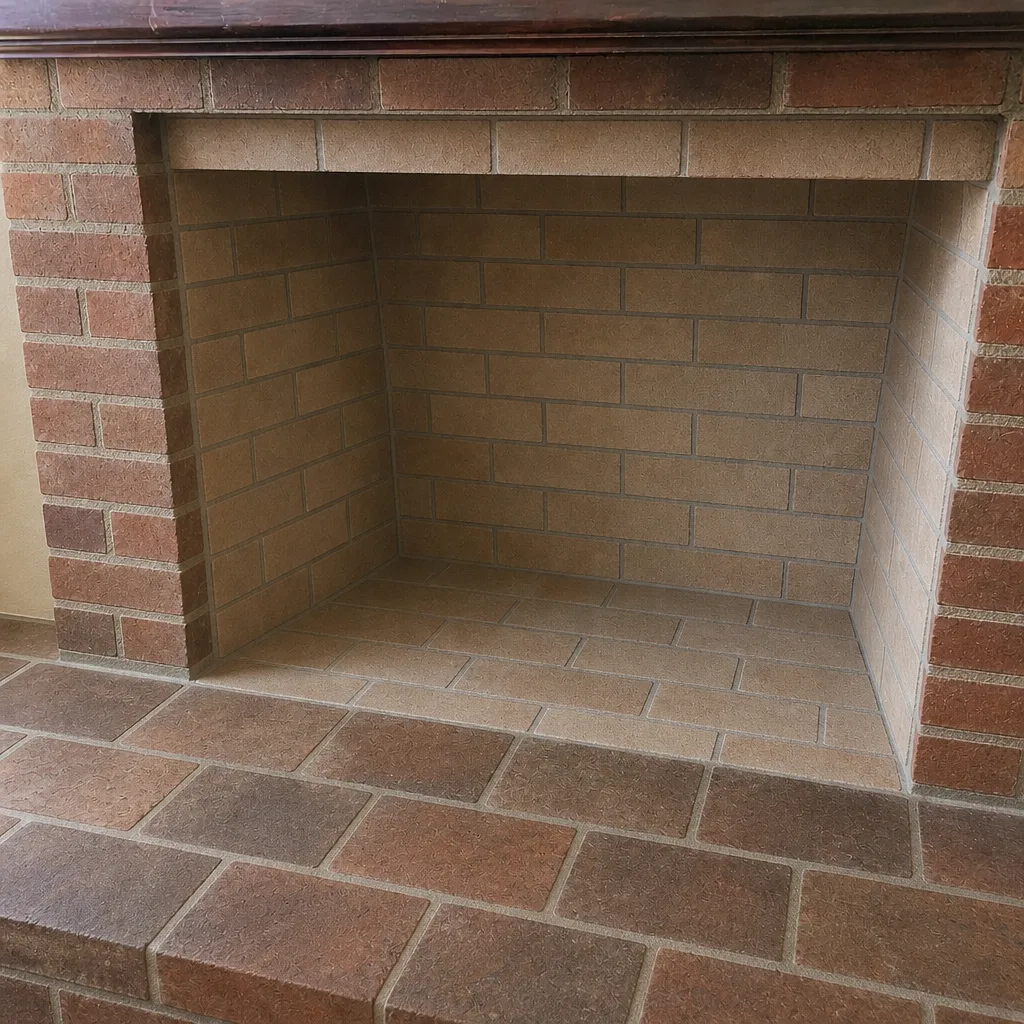
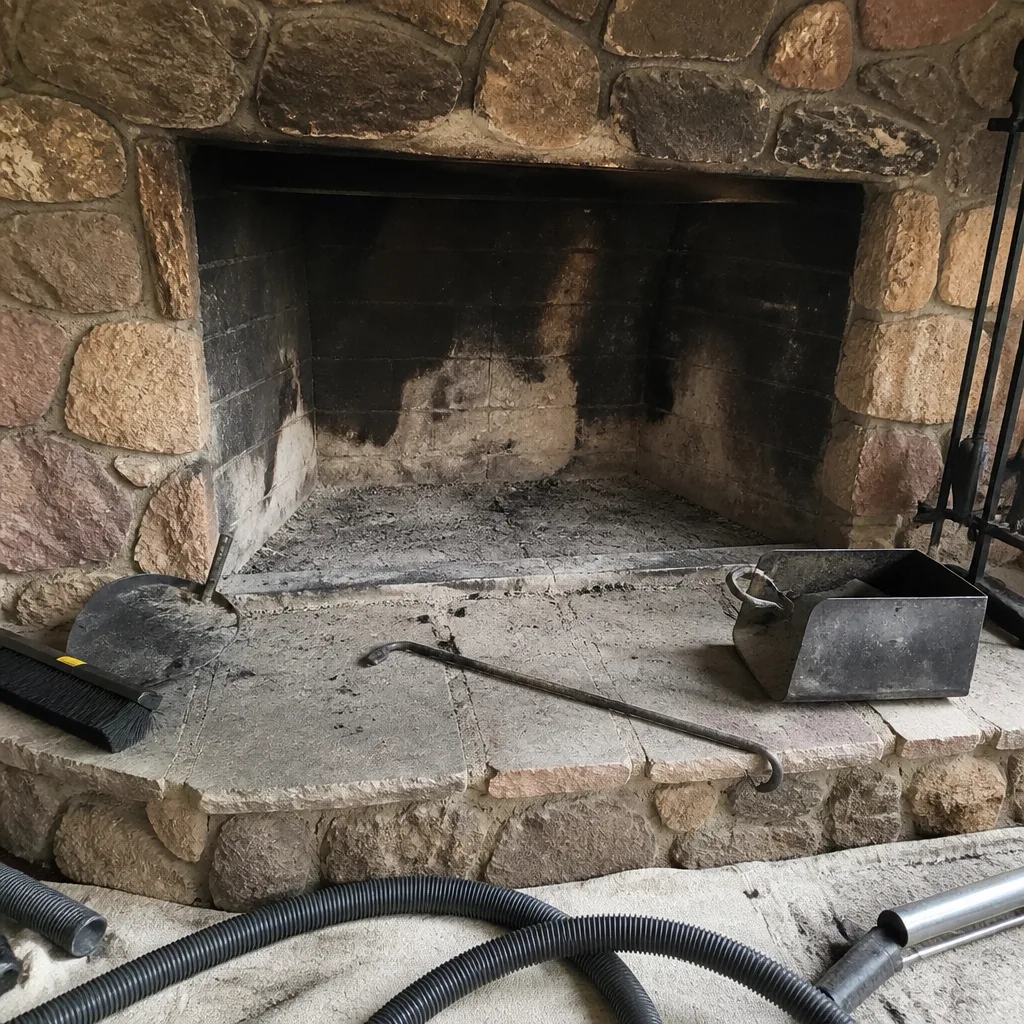
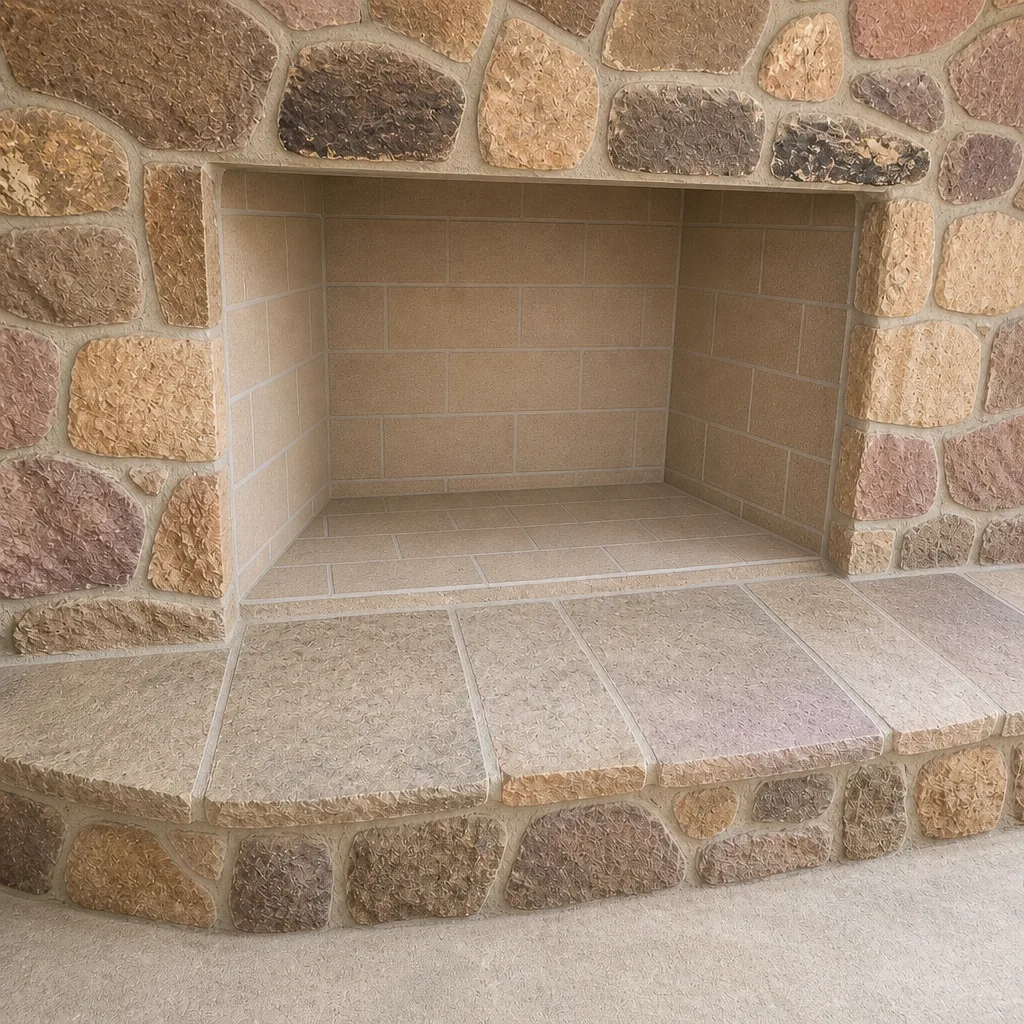
See the difference
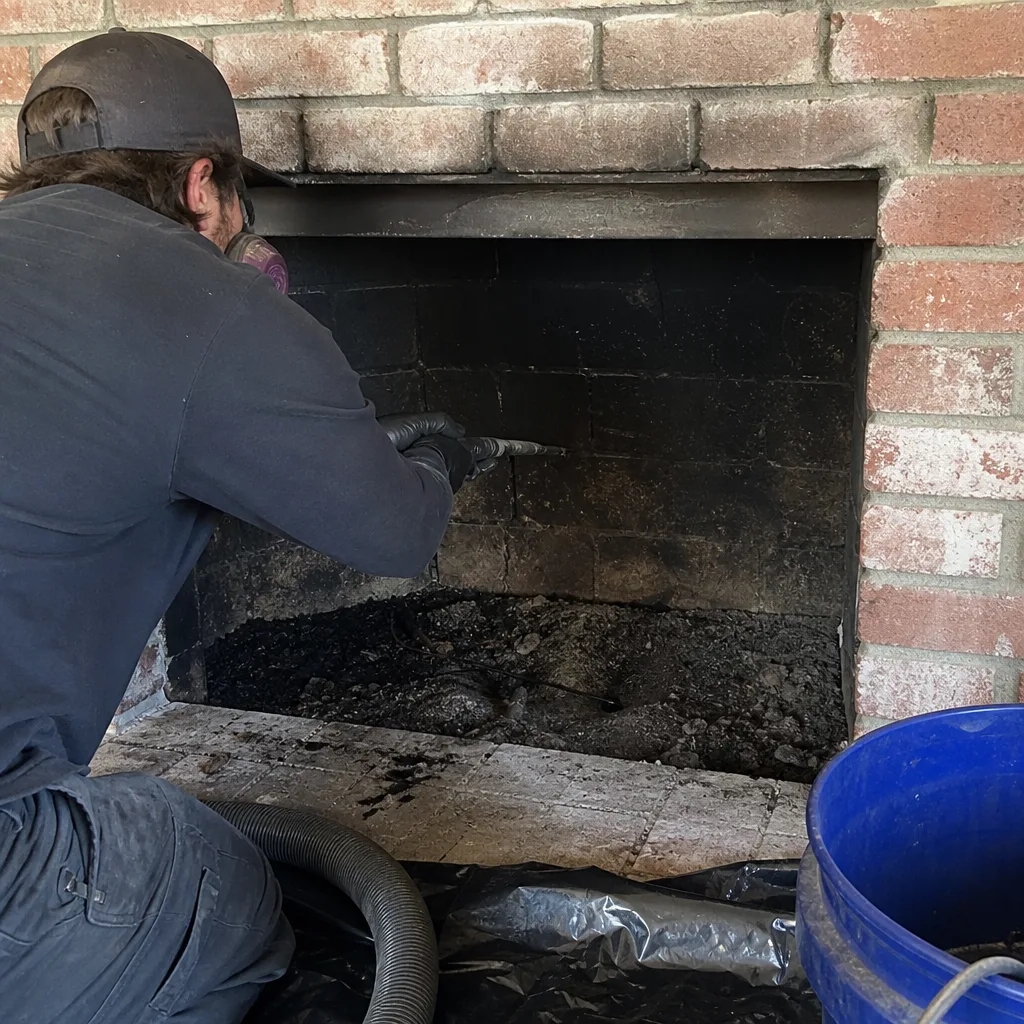 Before
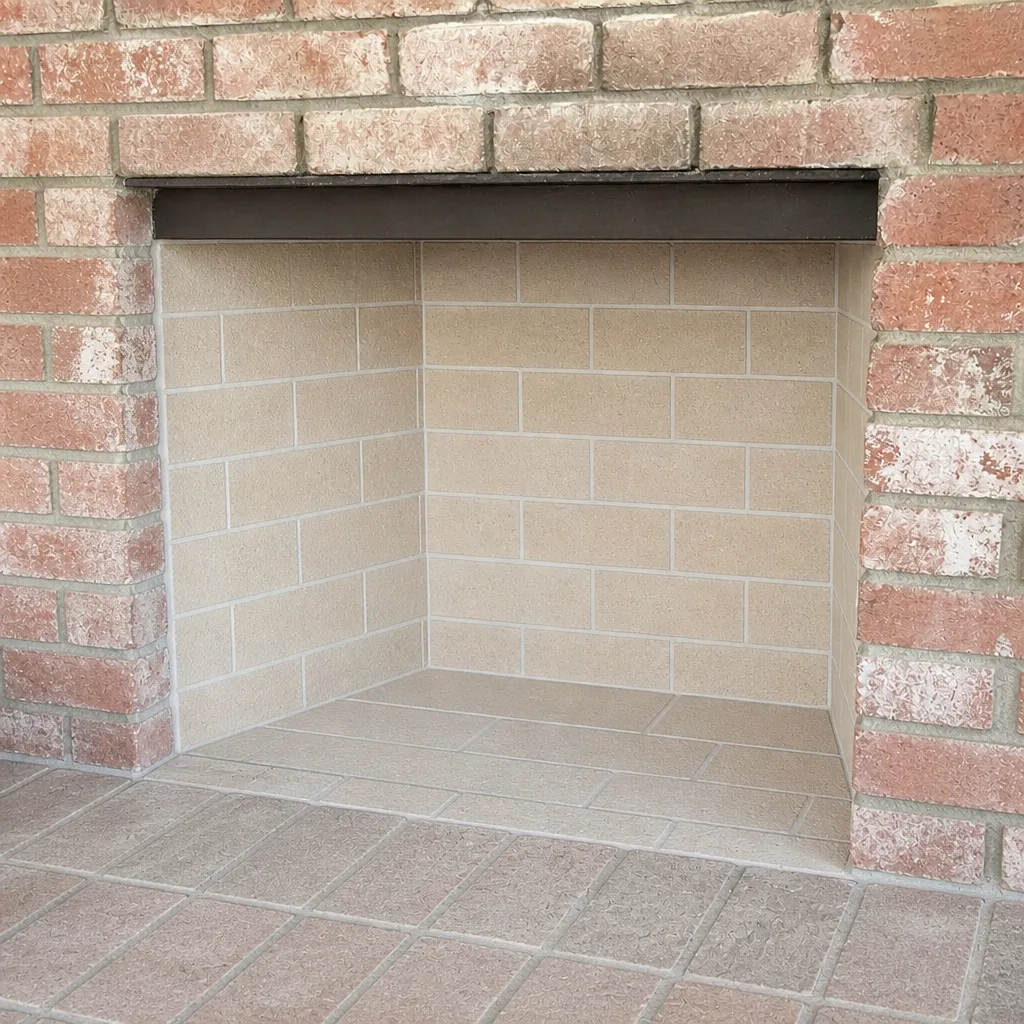 After
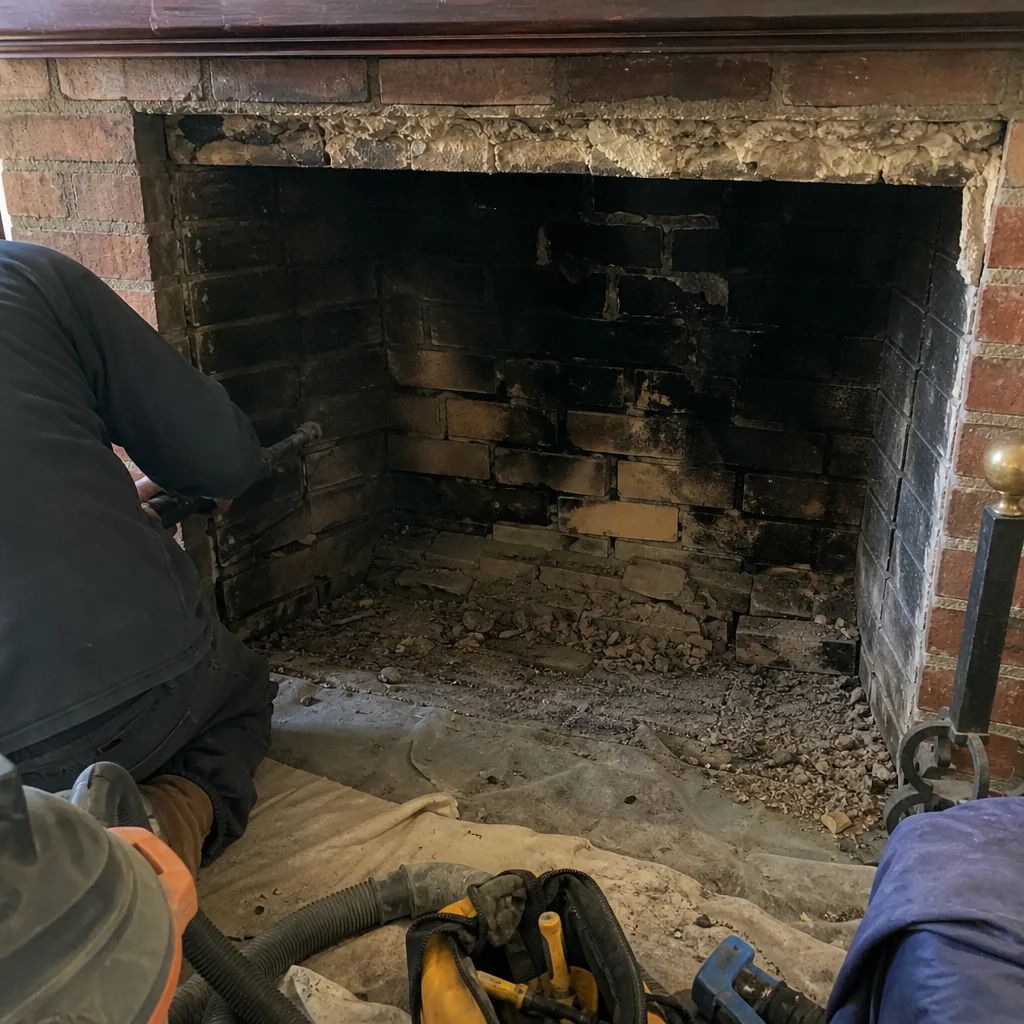 Before
 After
 Before
 After
When to Call a Professional
Some chimney work is a good DIY weekend project. Chimney cleaning is not, and it’s not the place to test your confidence with a brush on a ladder. Call a professional if any of these apply: you haven’t had the chimney cleaned or inspected in over a year, you notice creosote flakes or soot on the fireplace face, you smell smoke when the fire isn’t lit, you have a visible crack in the firebox or the flue liner, your cap is loose or missing, or water is getting into the chimney. Also call if you’re buying or selling a home in Brentwood and need documentation of the chimney’s condition for a lender or insurer. Brentwood Chimney Sweep offers free estimates in Brentwood. Call (866) 937-7635 to schedule. We answer 24/7, and fast dispatch from 7am to 7pm runs Sunday through Friday.
Frequently Asked Questions
Chimney cleaning in Brentwood typically costs between $150 and $350 for a standard wood-burning fireplace including a Level 1 inspection, with heavier creosote or more complex flues running higher. The written estimate you receive before booking is what sets the final price. Call (866) 937-7635 for an exact quote; estimates are free.
A wood-burning chimney should be swept once a year, and more often if you burn heavily or use unseasoned wood. Brentwood’s dry summers mean deposits harden between seasons, so cleaning right after the burn season ends protects the next year’s fires. Call (866) 937-7635 to book a cleaning or inspection on your schedule.
Not always, and no one should tell you that you do without showing you why. Cracks, gaps, or stage 3 creosote in the existing liner may point to replacement, but many deteriorating flues can be resurfaced instead using HeatShield, which is a fraction of the cost of a full reline. The right answer depends on camera evidence you can see yourself. Call (866) 937-7635 to get an honest assessment; estimates are free.
Skipping a cleaning allows creosote to build up and harden, which raises the risk of a chimney fire and can also restrict draft and let carbon monoxide back into the living space. A neglected flue also tends to develop secondary damage from moisture and debris that compounds the eventual repair cost. Call (866) 937-7635 to schedule a cleaning before the next burn season.
Cleaning a chimney yourself is possible with the right rods and brushes, but it’s easy to miss the smoke chamber, misjudge the flue lining, or fail to spot liner damage the way a trained eye would. Most homeowners also can’t safely reach the roof cap or crown. A professional cleaning with a Level 1 inspection covers the parts you can’t see and gives you a written record. Call (866) 937-7635 for a free estimate.
Brentwood’s long dry summers allow creosote to harden between burn seasons instead of degrading, and locally common woods like oak and almond produce denser creosote when not fully seasoned. Together, these conditions make stage 2 creosote more common here than many homeowners expect. A cleaning schedule built around Brentwood’s climate, not a generic annual reminder, is what keeps the flue safe. Call (866) 937-7635 to schedule yours.
What to Expect When You Book a Cleaning
A good cleaning visit should feel predictable. You book a time, you get a written estimate before the technician starts, and the work happens with proper containment so your living room doesn’t end up with a coat of soot. After the cleaning, you get a plain-language summary of what was found in the flue, the firebox, the cap, and the crown. If anything needs repair, that gets explained on the spot, with photos or camera evidence you can review before deciding.
The visit should not feel like a sales appointment. Recommended repairs come with visible evidence. Items that can safely wait are flagged as items that can safely wait. And when something needs resurfacing, the conversation includes the option of HeatShield or a compatible product from brands like Olympia Chimney, Gelco, and Famco, so the solution is matched to the flue rather than pulled off a shelf. Chimneys are all we do, so the person at your fireplace is the same person who handles the crown, the cap, and the liner.
The Bottom Line
Chimney cleaning in Brentwood isn’t the same job as it is in colder, wetter parts of the country. The long dry summer hardens creosote in place, the local hardwoods produce denser deposits, and the mild winter means buildup quietly accumulates between seasons instead of announcing itself. The right approach is a full-service cleaning with a Level 1 inspection, done by a chimney specialist who can spot a cracked tile or a failing cap before it becomes a bigger problem. Book before the next burn season, not after the first fire.
Ready to schedule a cleaning or inspection? Call (866) 937-7635 for a free estimate. We answer 24/7. Fast dispatch from 7am to 7pm, Sunday through Friday.
Written by the team at Brentwood Chimney Sweep.