
Last updated November 22, 2026
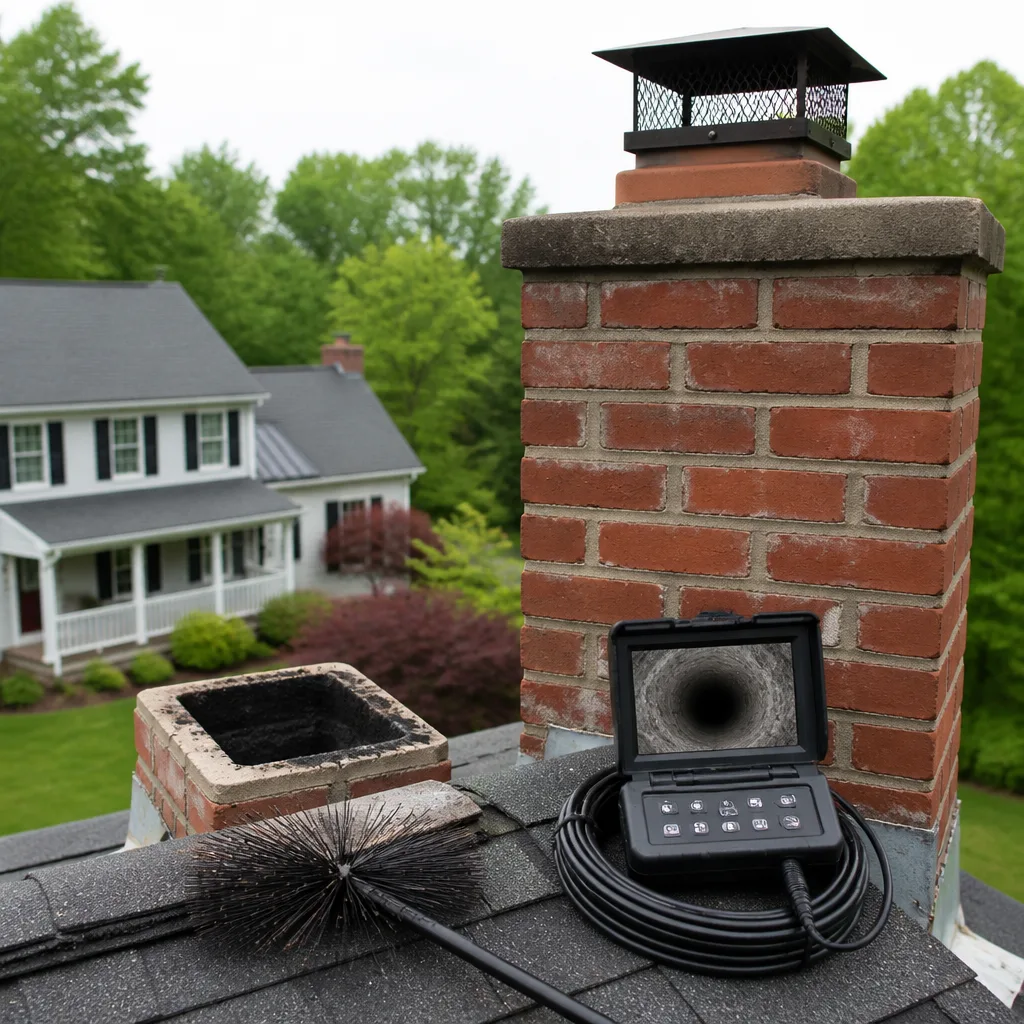 Sweep & inspection
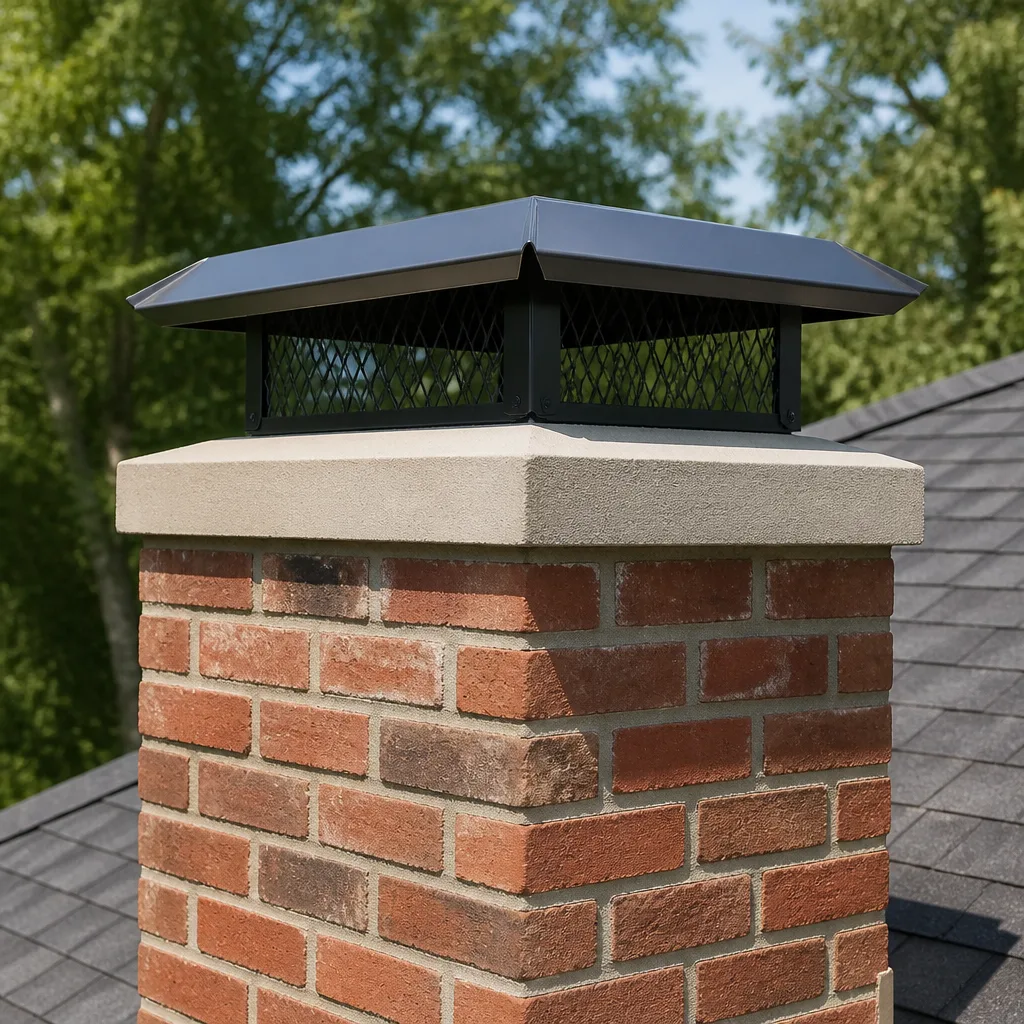 Caps & crowns
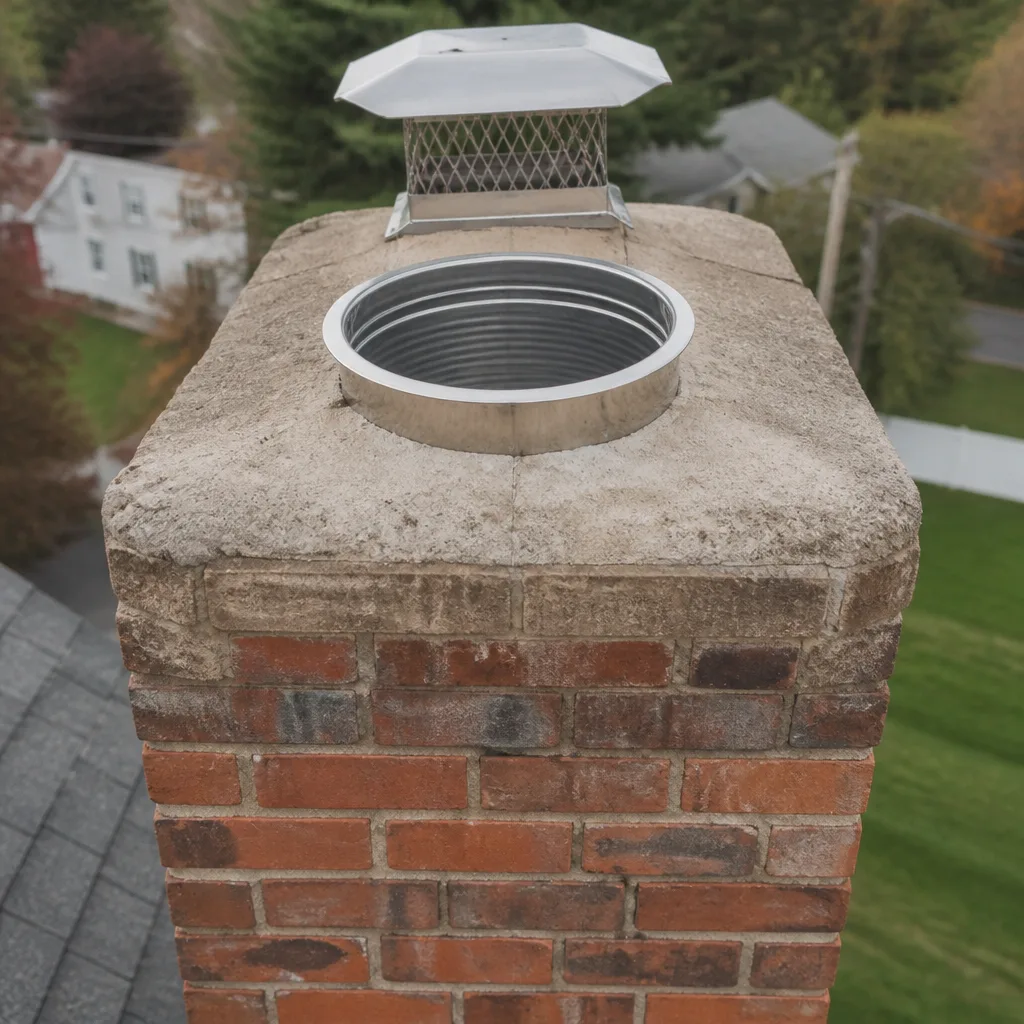 Flue relining
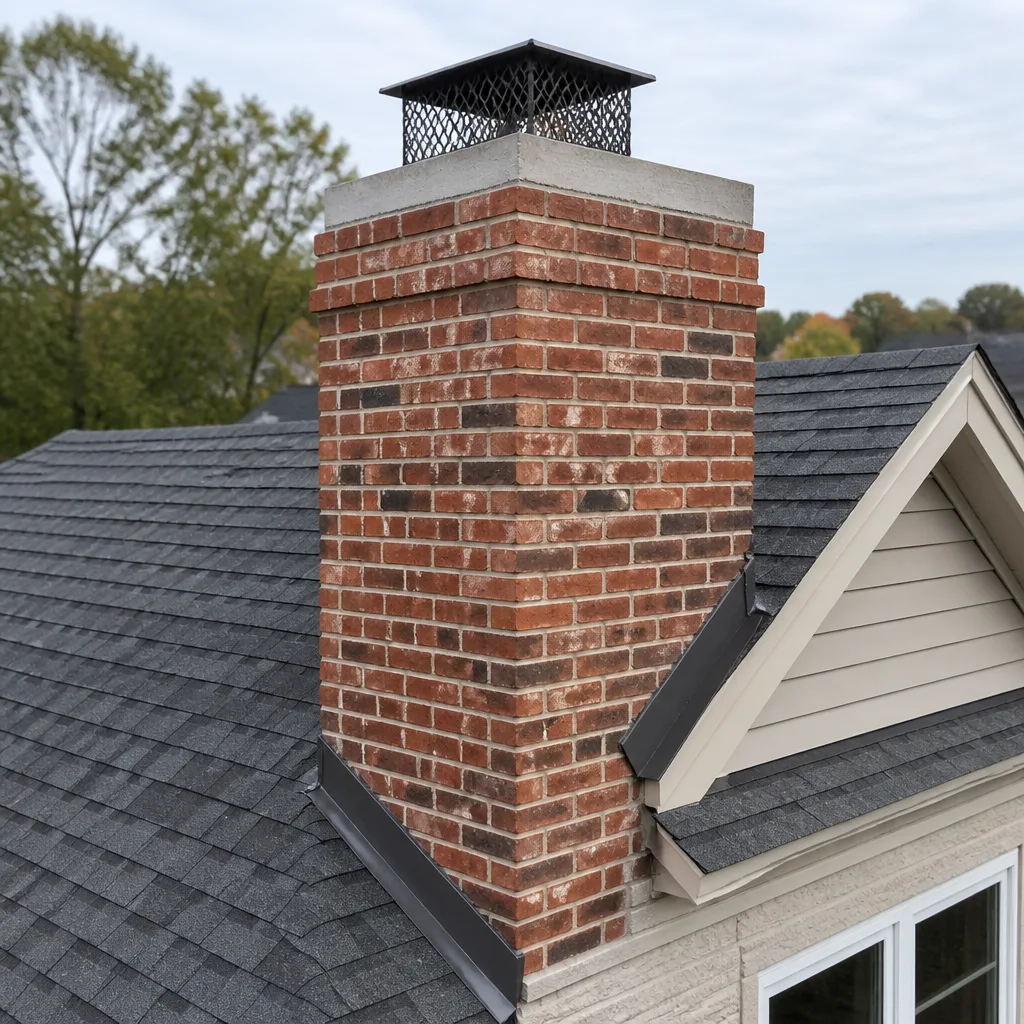 Masonry repair
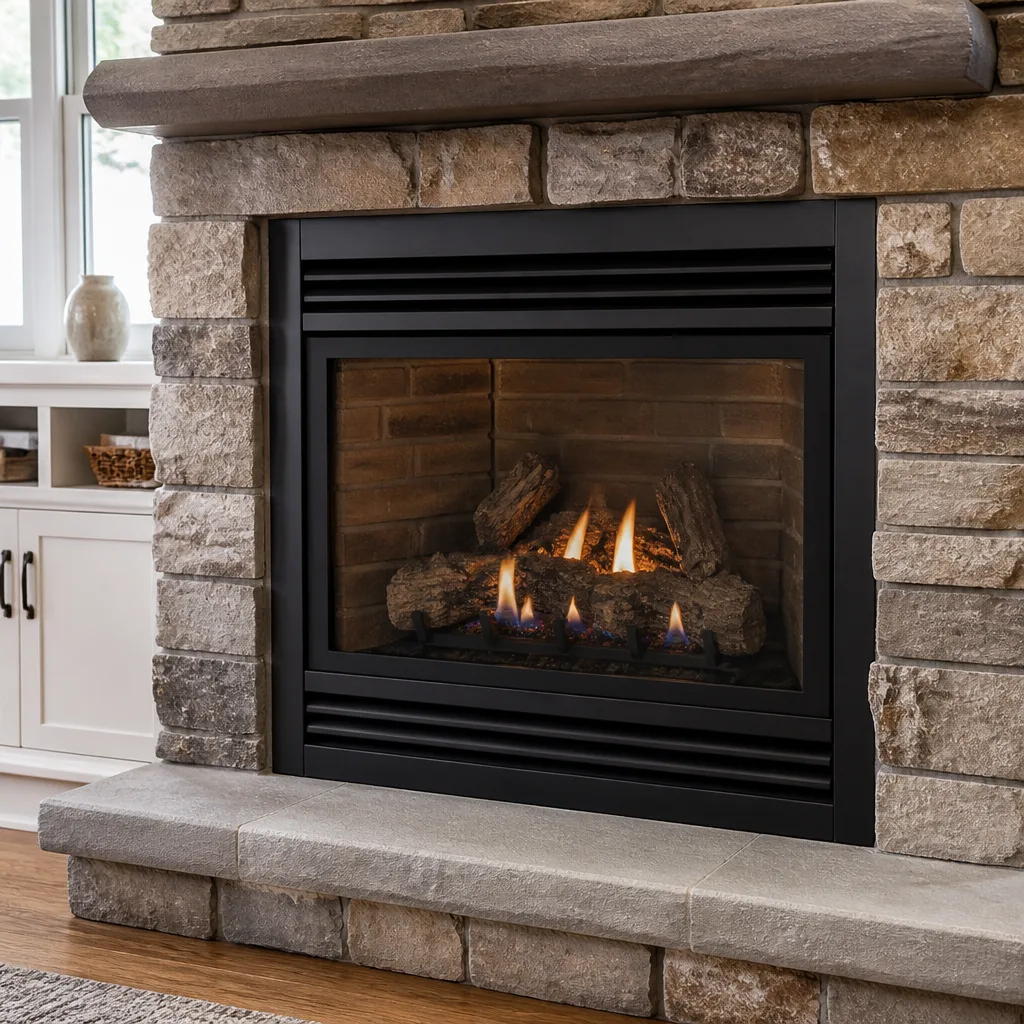 Gas fireplace service
Level 1 sweep and inspection to the NFPA 211 annual standard - flue, crown, cap, and flashing checked and photographed
Chimney sweep logs do not sweep chimneys. They loosen some creosote - which then falls where a brush and vacuum still have to collect it.
Chimney Sweep Maintenance Checklist for Brentwood Homeowners
Most chimney maintenance advice tells you to sweep once a year and call it done. That schedule ignores what actually matters: the condition of the chimney itself. A flue can be swept clean and still be unsafe, and a chimney that looks fine from the driveway can hide a failing crown or a cracked liner. This checklist is built around what you can see, smell, and hear, with pass-or-fail criteria for every component so you know what’s healthy and what needs a pro. You’ll learn the seven checks worth doing yourself in Brentwood, the ones that genuinely need a camera, and how to log it all in a way that holds up at resale or on an insurance claim.
Quick Answer
A working chimney maintenance checklist for Brentwood covers seven parts: firebox, damper, smoke chamber, flue liner, crown, cap, and flashing. Homeowners can safely check the firebox, damper, crown, cap, and flashing with a flashlight; the smoke chamber and flue liner need a camera inspection by a trained technician. Clean when creosote reaches 1/8 inch, inspect annually, and keep a written log for insurance and resale.
Styles & brands we work with
- Sweep & inspection
- Caps & crowns
- Flue relining
- Masonry repair
- Gas fireplace service
Table of Contents
- Why a Checklist Beats a Calendar
- Firebox and Damper: What to Look and Smell For
- Smoke Chamber and Flue Liner: When You Need a Camera
- Crown, Cap, and Flashing: The Water Damage Trio
- Cleaning Overdue vs. Repair Needed: How to Tell the Difference
- Seasonal Trigger Points for Brentwood
- Logging Maintenance for Insurance and Resale in Contra Costa County
- Common Mistakes to Avoid
- When to Call a Professional
- Frequently Asked Questions
Why a Checklist Beats a Calendar
“Get it swept every year” is not a maintenance plan. It’s a habit. The two aren’t the same. A calendar tells you when a task is due; a checklist tells you whether the chimney is actually safe. Those can diverge sharply. A flue can pass a visual sweep and still have a cracked liner behind the smoke chamber. A crown can look intact from ten feet away and be spalling underneath.
Here in Brentwood, the case for condition-based checks is even stronger. Winters are mild, which means many fireplaces sit idle for long stretches and then get worked hard for a few cold weeks. That pattern produces lumpy creosote rather than the steady glaze you might see in colder climates, and it also lets small problems (a hairline crown crack, a cap that shifted in a wind event) sit undisturbed for months before anyone notices.
So this guide runs on two tracks. First, a walkthrough of every chimney component with a plain pass-or-fail test. Second, a set of triggers for when to run those tests, based on what Brentwood weather actually does.
The other thing a checklist does: it keeps you honest. When a technician climbs down and hands you a report, you’ll know which findings are ordinary and which are worth acting on right away. You’ll also know when it’s fair to say “let’s wait on that one.” More on that distinction further down.
Key Takeaways
- Seven components matter: firebox, damper, smoke chamber, flue liner, crown, cap, flashing.
- Five can be checked safely from the firebox or from the ground with a flashlight.
- Two (smoke chamber, flue liner) need a camera and a trained eye.
- Clean at 1/8 inch of creosote. Repair based on condition, not the calendar.
- A written log pays off at resale and on insurance claims.
Firebox and Damper: What to Look and Smell For
Start at the firebox, because it’s the easiest check and it tells you a lot. Kneel down and look up and around the brick. Here’s your pass-or-fail guide.
Firebox checklist
- Pass: Even brick face, mortar joints intact, no cracks wider than a hairline.
- Caution: White or gray staining on the brick (called efflorescence) suggests moisture getting in from above. Not a fire hazard by itself, but a sign the crown or flashing is letting water through.
- Fail: Loose brick, missing mortar, or a crack you can slide a nickel into. These open a path for heat and embers to reach framing behind the firebox.
- Smell test: A cold firebox should smell faintly of old ash and nothing else. If you smell damp, musty air, or a sulfur-like tang when the fire isn’t lit, that’s a draft or moisture problem worth flagging.
Damper checklist
Open and close the damper several times. It should move without catching, and when closed it should seat flush. A damper that sticks usually just needs cleaning or a hinge adjustment. A damper that won’t close all the way is a bigger deal, because it lets heated indoor air escape up the flue when the fireplace is off. That’s an energy loss issue, not a fire hazard, but it’s the kind of thing a $20 gasket can fix if you catch it before it warps further.
On a gas fireplace, the firebox and damper checks still apply, but the smell test changes. A gas log set that smells like rotten eggs needs to be shut off and looked at by a qualified technician before you run it again. That smell means an unburned gas problem, and it’s one of the few genuinely call-now items on this list.
If your firebox or damper fails any of these tests, the fix usually lives under fireplace repair rather than a routine sweep, and it’s worth having it looked at before the next fire.
Smoke Chamber and Flue Liner: When You Need a Camera
Here’s the hard truth: the two most important parts of your chimney are also the two you can’t check from the firebox. The smoke chamber is the sloped shelf above the damper, and the flue liner is the pipe inside the chimney that carries gases up and out. Both sit where no flashlight can reach. Both are where the most expensive and most dangerous problems hide.
Smoke chamber
The smoke chamber should be smoothly parged (coated with a refractory mortar) and slope cleanly toward the damper. If it’s rough, corbelled, or uncoated, smoke and creosote collect in the corners, and the rough surface can ignite. It also slows your draft. A camera inspection is the only honest way to see it. If the walls need smoothing, that’s a job for a technician trained in chamber parging, not a homeowner with a trowel.
Flue liner
The liner needs to be continuous from the top of the chimney down to the smoke chamber, with no cracks, gaps, or missing sections. Cracks let heat and carbon monoxide reach the chimney’s masonry shell and the framing around it. A camera inspection with a photo report is how you verify the liner’s condition beyond doubt.
When the liner is cracked or spalled but not beyond saving, resurfacing can restore it without a full reline. That’s where HeatShield comes in: it’s a proprietary coating applied by technicians trained in the system, and it’s a cost-saving repair when the flue structure behind the liner is still sound. If the liner is structurally gone, a new stainless liner from a brand like DuraFlex is the durable route.
Either way, this is the part of the checklist that actually protects the house. Everything else is maintenance. This is safety.
Crown, Cap, and Flashing: The Water Damage Trio
Water causes more chimney damage than fire does over the long haul. Three parts control it: the crown (the concrete cap on top of the chimney), the chimney cap (the metal or mesh cover over the flue outlet), and the flashing (the metal sealing where the chimney meets the roof). All three are checkable with a flashlight and a careful look from the ground or a safe distance.
Crown pass-or-fail
- Pass: Smooth, uncracked concrete that slopes away from the flue.
- Caution: Hairline cracks. Seal them early and you prevent bigger damage.
- Fail: Cracks wider than a quarter inch, crumbling edges, or a crown that’s pulled away from the flue. Water is definitely getting in.
Cap pass-or-fail
- Pass: Securely attached, mesh intact, sitting well clear of the flue opening.
- Caution: Rust, loose fasteners, or a cap that shifted after a wind event.
- Fail: Missing cap, torn mesh, or a cap sitting directly on the flue. Birds, squirrels, and rainwater will find their way in fast.
Flashing pass-or-fail
- Pass: The metal sits tight against the chimney and roof, and the caulk line is intact.
- Caution: Cracked or missing caulk. This is a cheap fix if you catch it in time.
- Fail: Lifted flashing, visible gaps, or rusted-through metal. Water will run down the outside of the flue and into the smoke chamber.
Given how much of a Brentwood home’s chimney protection comes down to those three parts, we treat chimney cap & crown work as its own discipline, not an afterthought to a sweep. Cap and crown components are straightforward to inspect and inexpensive to repair when done early.
Cleaning Overdue vs. Repair Needed: How to Tell the Difference
This is the question that trips up most homeowners. Cleaning and repair are two separate verdicts, and one doesn’t cover the other.
Signs a cleaning is overdue
- A visible layer of soot or creosote lining the firebox walls.
- Creosote buildup that reaches roughly 1/8 inch anywhere in the flue.
- Your fires smell smoky in the room, not just up the chimney.
- A noticeable reduction in draft compared to how the fireplace used to draw.
When creosote is glazed and hardened, and especially when it’s bubbly or coated, that’s the dangerous version. Glazed creosote ignites at a much lower temperature than the wood itself, which is what makes chimney fires possible.
Signs a repair is needed regardless of cleaning
- A cracked or spalling crown, even if the flue itself is clean.
- A cracked liner seen on camera.
- Loose flashing or missing caulk.
- A damper that won’t close fully.
- A cap that’s shifted, rusted, or gone.
A chimney in this condition can be immaculately clean and still unsafe. That’s why a sweep alone can give you a false sense of security. The cleaning removes what burns; the repair fixes what fails. If you’ve had the chimney swept recently but still smell smoke in the room or feel heat coming from the walls around the flue, the sweep isn’t the issue. Something structural is.
When it comes to the flue specifically, “clean but cracked” is the most common version of this. That’s why our chimney sweep visits always include a camera inspection with a photo report, not just a brush and a thank-you. You get to see what we see.
Seasonal Trigger Points for Brentwood
A checklist is only as good as the timing it runs on. Brentwood winters are mild and dry, and that changes when the chimney needs attention compared with colder climates. Four triggers cover it.
1. Before your first fire of the season
Run the full checklist before lighting anything, especially after a long summer of disuse. That first fire after months of silence is the one most likely to reveal a draft problem, a shifted cap, or a damper that’s seized from sitting.
2. After a significant wind event
Brentwood gets wind gusts that can shift a cap, lift flashing, or drop debris down the flue. A quick ground-level look at the cap and crown after a windy stretch takes two minutes and can save a repair. Any debris that lands in the flue is worth a camera check before your next fire.
3. After extended non-use
A fireplace that hasn’t been used in a season or more needs a look before it’s used again. Animal nests, debris, or moisture can collect in the flue when a chimney sits idle. Run the smoke-and-draft test first: light a small test fire and watch whether smoke goes up the flue or into the room. If it comes back into the room, stop and call for a look.
4. After the heating season ends
This is the check most homeowners skip. Inspecting the cap, crown, and flashing at the end of the season, before the dry Brentwood summer bakes any existing cracks wider, catches the water damage early. The summer heat is what cracks crowns further, so a spring inspection is better than a fall one.
For a deeper look at the sweeping side of your seasonal plan, our full Brentwood Chimney Sweep service page lays out what a proper visit covers.
Logging Maintenance for Insurance and Resale in Contra Costa County
A maintenance log sounds like the kind of thing nobody keeps. Then a chimney fire or a home sale forces the issue, and a well-kept log pays for itself many times over.
Here’s the thing to understand: chimney fires don’t always announce themselves. A slow, small chimney fire can burn for a while and go out without drama, leaving hidden damage behind. If a chimney fire happened and you didn’t know it, a subsequent insurance claim for fire damage gets harder to sort out without records showing the chimney’s recent history. A log doesn’t prevent fires, but it does prove the chimney was maintained, which matters when a claim or a buyer’s inspector asks.
What to log
- Date of each sweep or inspection.
- Who performed it and what they found.
- Any recommended repairs, whether they were done, and when.
- Photos or a copy of the camera inspection report.
- Any invoice with the technician’s findings written on it.
Keep the log with the home’s other maintenance records. A contractor’s findings page with photos is the single most useful document for both insurance and resale. Brentwood’s housing market moves at its own pace, and a buyer’s inspector in Contra Costa County will ask about the chimney. A documented history is a small but real point in your favor at the negotiating table.
Common Mistakes to Avoid
- Treating a sweep as a full inspection. A brush and a shop vac don’t check the crown or the liner. Cleaning removes what burns; inspection finds what fails. They’re separate services and both matter in Brentwood’s dry climate.
- Ignoring hairline crown cracks. A small crack in the summer becomes a wide one after a few hot, dry months. Seal it early. Replacing a crown is a much bigger job than sealing a crack.
- Burning unseasoned wood. Damp wood stacks creosote faster than dry wood, and in Brentwood’s mild winters fires are often run slow and cool, which is exactly the wrong combination for creosote buildup. Use seasoned wood and a hot fire.
- Running the fireplace after a wind event without checking the cap. A shifted cap or a downed limb across the flue is easy to spot from the ground and easy to miss if you don’t look. Check after windy stretches.
- Skipping the end-of-season check. The dry Brentwood summer stresses the crown and flashing more than the winter does. Check in spring, not just in fall.
- Relying on a liner’s age instead of its condition. A liner’s age tells you nothing about its actual condition. A camera inspection with a photo report settles the question, and a resurfacing like HeatShield may save you a full reline if the liner is still sound underneath.
- Not keeping records. A written log with photos and invoices is what you’ll want if an insurance claim or a home sale ever forces the chimney’s history into the light. Start the log now.
When to Call a Professional
Some checks belong to you. Others genuinely need a trained technician with a camera. Call for a pro inspection if any of these are true: you smell gas near a gas fireplace, smoke comes into the room when you light a fire, the crown has cracks wider than a quarter inch, the cap is missing or damaged, you see white efflorescence staining in the firebox, or your last sweep was more than a year ago. Also call if you’re selling the home or your insurer has asked for documentation. Those last two are why we offer inspections as a standalone service.
Brentwood Chimney Sweep offers free estimates in Brentwood. Call (866) 937-7635. We answer 24/7. Fast dispatch from 7am to 7pm, Sunday through Friday. Our technicians have up to 12 years of experience, and we work with professional-grade products from DuraFlex, HeatShield, Gelco, Copperfield, Olympia Chimney, and Famco.
Frequently Asked Questions
A routine chimney sweep in Brentwood is an estimate-per-job service, and the written estimate you get before booking is the final price. We quote based on the actual condition of your flue and the type of service you need, not a flat rate. Call (866) 937-7635 for an exact quote. Estimates are free.
Resurfacing is a real option when the flue structure behind the liner is still sound, and it can save you the cost of a full reline. HeatShield is a proprietary resurfacing system that a trained technician can apply to restore a cracked liner. The catch is that only a camera inspection can tell you which route fits your flue. We show you the footage so you’re not taking anyone’s word for it. Call (866) 937-7635 to book an inspection.
Once a year is the baseline for a wood-burning fireplace with regular use, and more often when creosote reaches 1/8 inch. In Brentwood, the mild winters mean the fireplace often runs for shorter bursts, which can produce lumpy creosote that builds faster than you’d expect. Clean at 1/8 inch, not on the calendar. Call (866) 937-7635 when you’re due.
Skipping the annual inspection lets creosote, cracked liners, and damaged crowns go unnoticed, and those are the conditions that lead to chimney fires and carbon monoxide exposure. A neglected chimney can burn clean and still be unsafe. The risk builds quietly. Call (866) 937-7635 for a free estimate before the next fire.
Yes, you can safely check the firebox, damper, and a lot of the crown, cap, and flashing work with a flashlight from the ground or a safe distance. What you can’t check yourself is the smoke chamber and the flue liner; those need a camera and a trained technician. Call (866) 937-7635 to book the parts you can’t do safely.
Yes, a written inspection report with photos is exactly what insurers and buyers want to see. It documents the chimney’s condition at a point in time, which matters at resale and on any insurance claim. Brentwood homes sell with their maintenance histories, and chimney records are part of that picture. Call (866) 937-7635 to schedule a standalone inspection.
The Bottom Line
A maintenance checklist works when it’s tied to what you can actually see and smell, not to a pamphlet’s suggested intervals. Check the firebox, damper, crown, cap, and flashing yourself with a flashlight. Book a camera inspection for the smoke chamber and liner, because those are where the real risks hide. Clean when creosote reaches 1/8 inch. Repair when the crown, cap, or flashing fails, regardless of how clean the flue is. Log every visit, keep the photos and invoices, and run the checks before the first fire, after a wind event, after a long idle stretch, and at the end of the heating season. That’s your whole Brentwood maintenance plan, and it’s built to last.
Written by the team at Brentwood Chimney Sweep.
See the difference
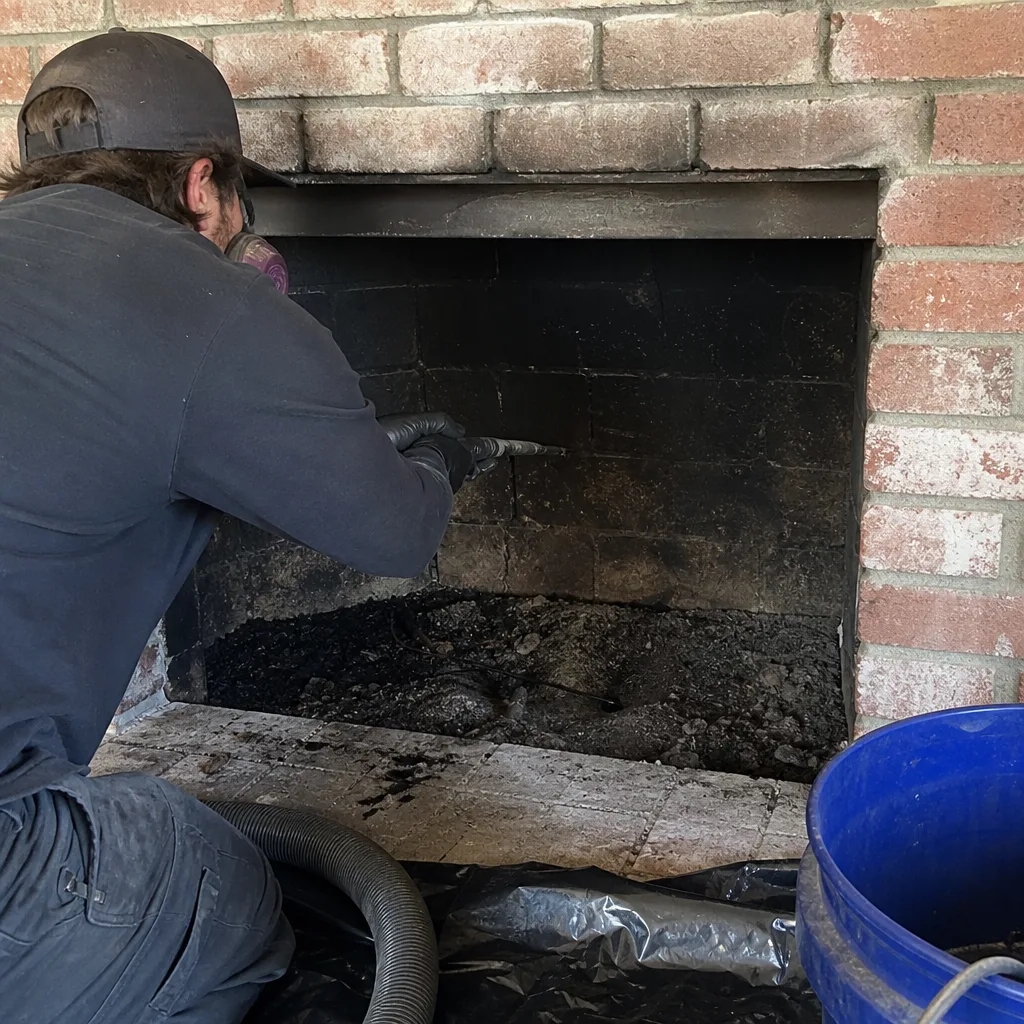 Before
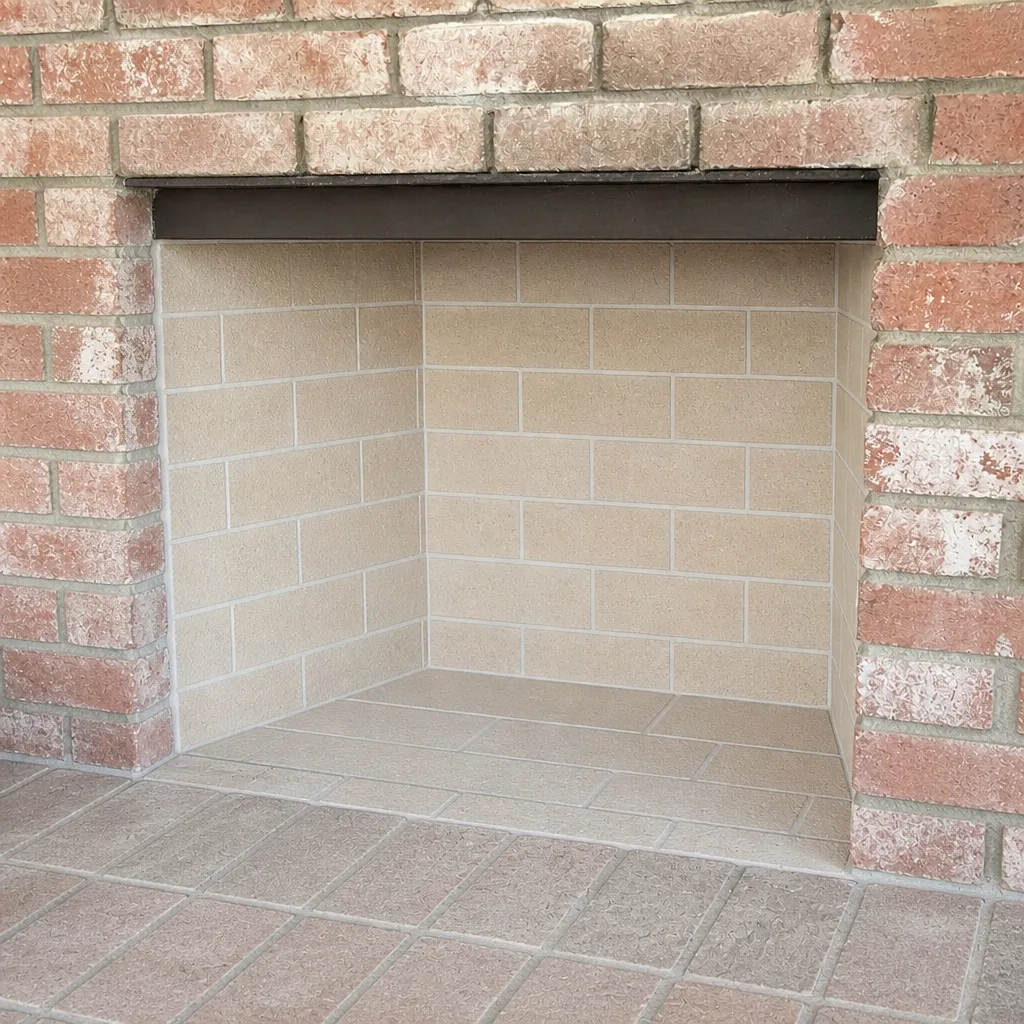 After
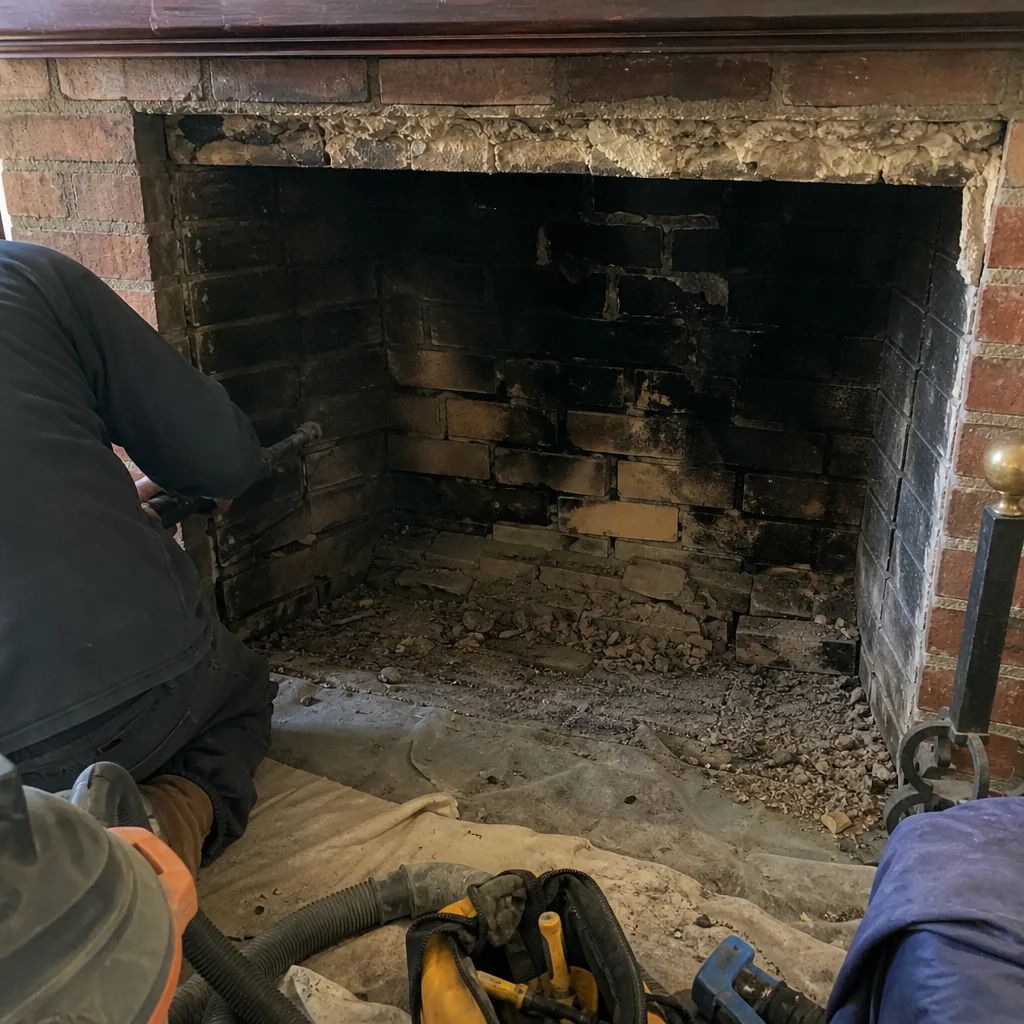 Before
 After
 Before
 After